Is Warsh His Own Man?
The Fed chair’s first meeting was largely uneventful but laid the groundwork of challenges for his tenure.
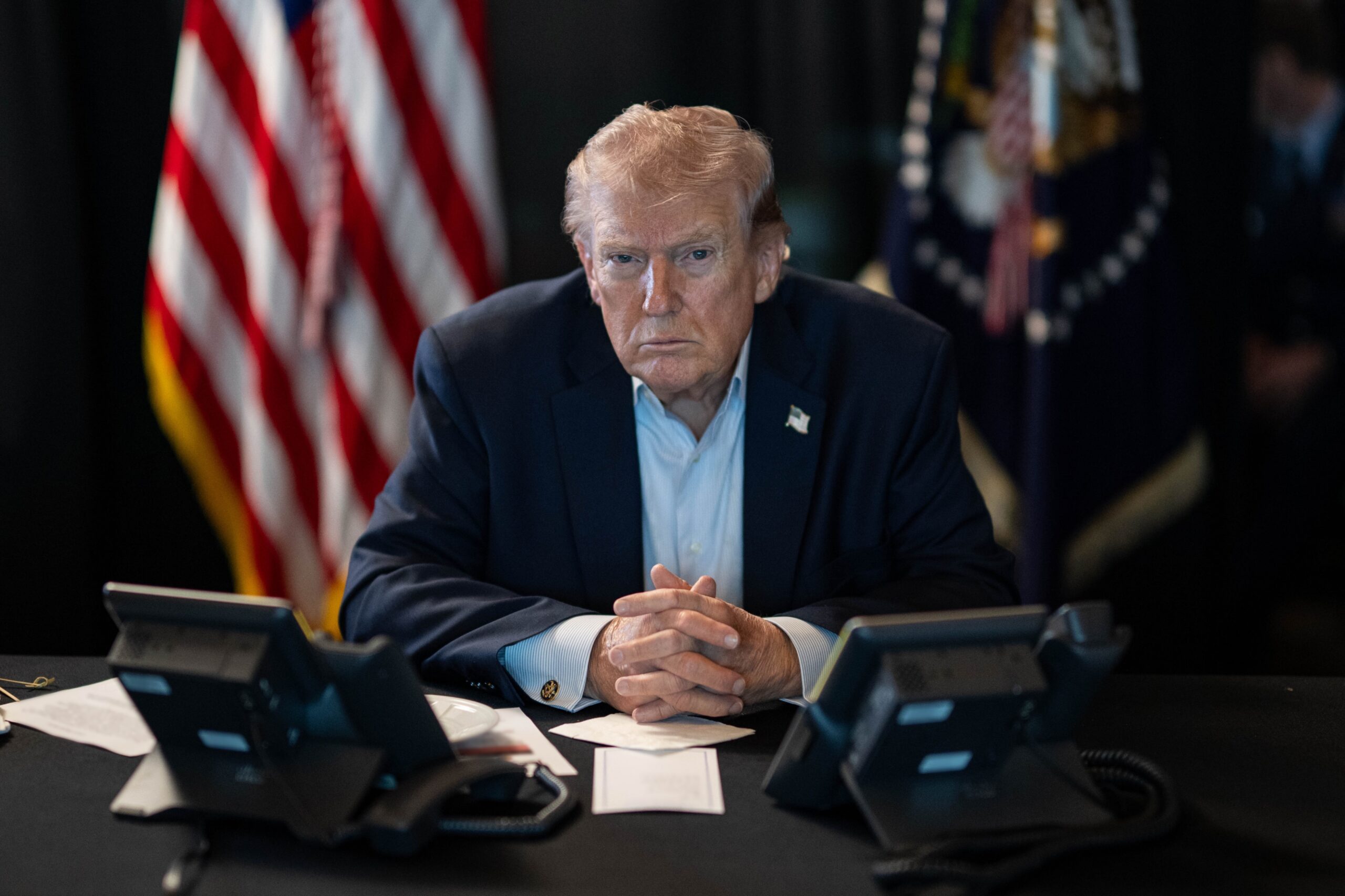
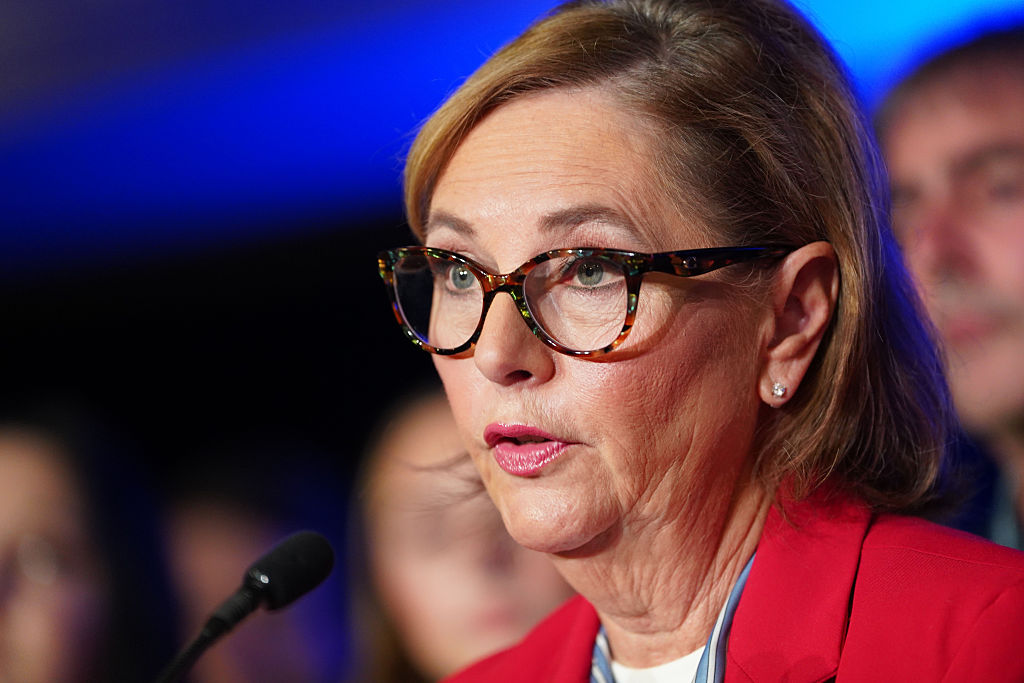
President Donald Trump is nothing if not a real estate developer. He has long argued for looser monetary policy from the Federal Reserve during his tenures to stimulate the broader economy, push up the stock market, and lower mortgage rates. He was not without his partisans on the Board of Governors: Stephen Miran, during his short tenure, acquiesced to those requests and remained one of the central bank’s most aggressive advocates for rate cuts until he stepped down from the role. .
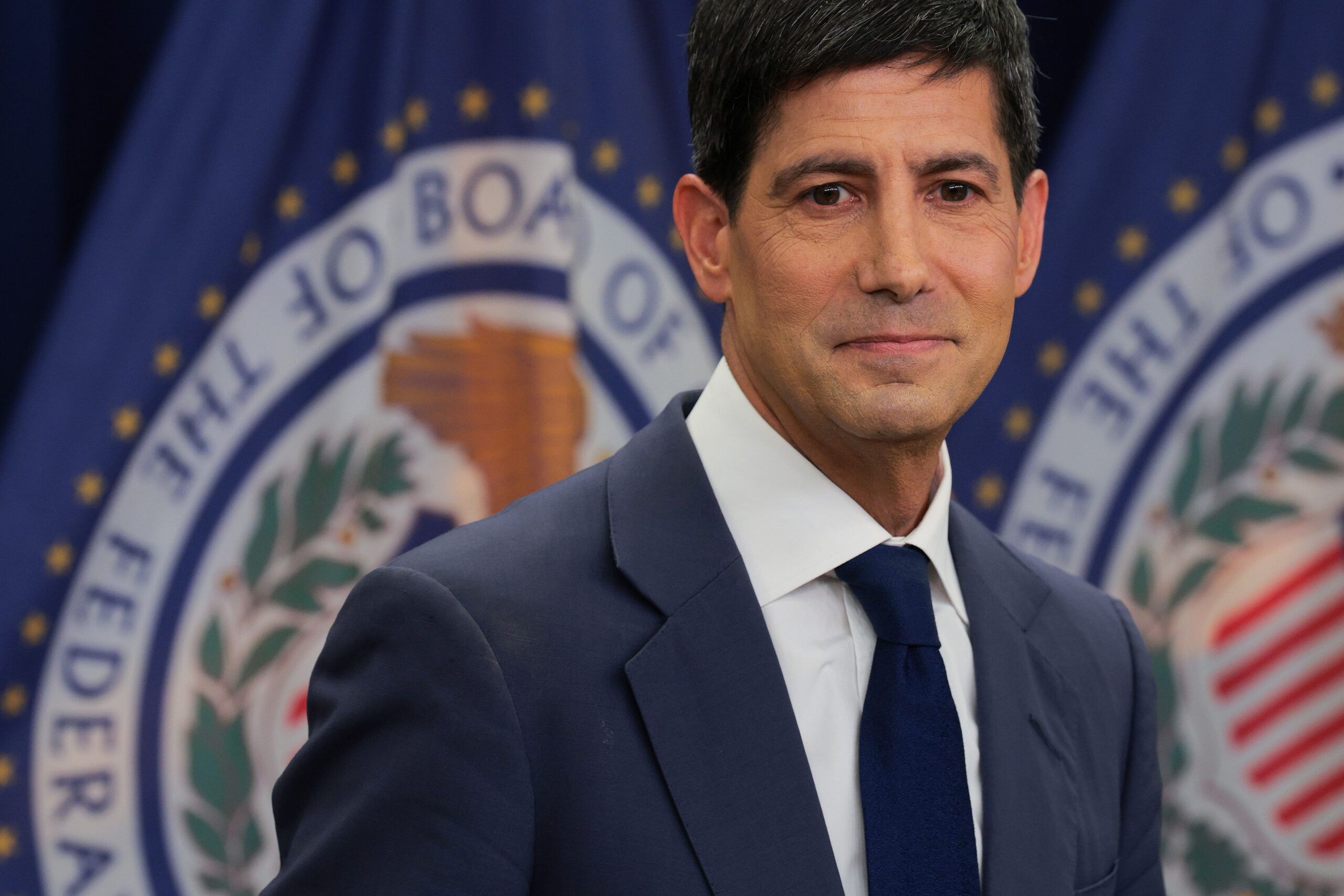
Kevin Warsh, the new chairman, has taken the stage as the main character at the Fed. The first meeting of the central bank under his tenure was largely uneventful: Rates were kept at the same level, Warsh took questions from reporters, and the Fed released its projections of inflation and interest rates for the end of the year. Warsh promised to deliver on the Fed’s goal of “price stability” but refused to elaborate on the steps that would be taken to get there.
This is not Warsh’s first time on the Board of Governors. In his first tour, Warsh made a reputation as an inflation hawk, pushing back against balance-sheet expansion and advocating for raising interest rates not long after the 2008 financial crisis when the Fed took action to loosen policy.
How is the inflation hawk going to work alongside a real-estate president?
Financial markets predict that the nation’s central bank will have to raise interest rates by the end of the year. During the Biden administration, the Fed hiked rates sharply while inflation raged at its highest level since the early 1980s. But the Federal Reserve loosened policy starting in September 2024, even though inflation had not come down to the Fed’s self-designated target of 2 percent year-over-year. Now it appears inflation is starting to accelerate once more.
The Fed and Warsh himself face a dilemma.
Warsh could stay true to his roots as an inflation hawk: rising inflation and steady job numbers give him reason to argue for higher interest rates sooner rather than later. Other central banks have begun raising interest rates to combat inflation. Monetary intervention cannot stop the energy shock from the Iran War, but it can address an underlying monetary phenomenon that the Federal Reserve never addressed.
The previous Fed chair, Jerome Powell, attempts today to paint himself as a champion of “central bank independence.” That independence is supposed to help mitigate opportunistic monetary decisions, such as lowering interest rates below their natural levels to stimulate investment and help the party in power win upcoming elections, despite risking long-run inflation that hurts the broader economy.
But Powell was not some white knight standing athwart Donald Trump’s unique pressures on the nation’s central bank. Powell presided over the highest inflation numbers since the early 1980s. Unlike Paul Volcker, Powell did not begin ratcheting interest rates higher as he stepped into the crisis. Powell continued to dub inflation “transitory” and held interest rates near zero percent until May 2022––the miniscule rate hike that March was laughably late.
It is no coincidence that the only serious rate hikes under the Powell term to combat his no-longer-transitory inflation occurred at key moments in his reconfirmation process. Federal Reserve chairs, while they have the option to remain on the Board of Governors, are themselves subject to four-year terms. To maintain their influential positions and ability to steer the Federal Open Market Committee (FOMC), they must be renominated. Powell liked his job, thus keeping interest rates low so as to not harm the Biden administration’s job numbers at the expense of the country’s economic health.
Kevin Warsh faces a similar dilemma for his future. He has stepped away from his position at Stanford University and taken up the chairmanship, but, like every politician, he is fundamentally motivated by staying in power. This presents a challenge, with midterms on the horizon and the 2028 presidential race not long after.
The president is intent upon seeing lower interest rates, perhaps as low as zero to one percent. He battled Powell over the issue and replaced him with Warsh in part to lower interest rates. Warsh, during his nomination hearings, attempted to thread the needle of central bank independence with his own apparently distinct opinion of the ability for the Fed to lower interest rates.
But he has a reputation as an inflation hawk, and current conditions are inflationary. He could buck the president now and pursue a hardline policy to bring inflation down to the Federal Reserve’s target, which has missed since February 2021. But that may open him up to similar amorphous investigations as plagued Powell in 2025.
If Warsh raises interest rates, he may bring down inflation to the target, perhaps as low as the Fed’s supposed countercyclical policy would allow, but that may come at the expense of the jobs market the president likes to tout. How might that affect midterm elections? How long will disinflation lag behind the jobs market? These are questions that Warsh must ask.
Should the economic conditions worsen and persist, if Warsh does not act fast enough on inflation, the next Republican candidate could be as unlikely to win as Kamala Harris was. Carville’s rule still stands: “It’s the economy, stupid.”
Subscribe Today
Get daily emails in your inbox
No matter what Warsh does, it is likely a “heads I win, tails you lose” scenario for the Democrats. If he holds interest rates high, some overleveraged companies may go out of business. In fact, it may make the current fiscal crisis even worse as the cost of refinancing the debt grows higher. But it would at least tackle inflation.
Should he lower interest rates or refuse to act, inflation may continue to climb until it needs to be addressed. Inflation is unpopular, and would probably usher in a Democratic president. Warsh may keep his job for two years of the next presidency, but his actions would not be likely to result in a renomination. Or, he may refuse to act and pass along the bag of doing what is necessary to his successor, who would face a similar dilemma.
It is a difficult situation for Warsh, and the self-sacrificial politician is a dying breed. He must make a choice: to stick to his principles and secure a better economy for everyday Americans, or to be the president’s man. That choice is up to him to make.