Congress Should Do Its Job and Defund Iran War
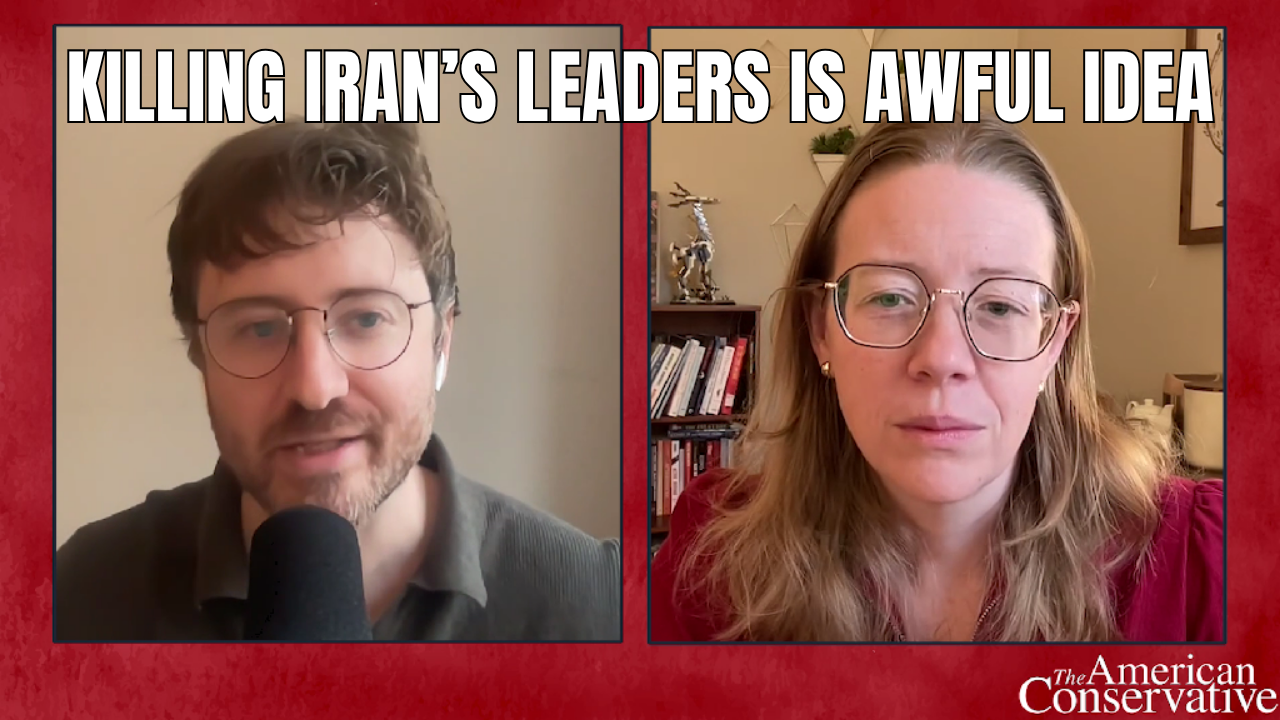
Emma Ashford of the Stimson Center sat down with The American Conservative to discuss the president’s wars and the prospects for peace.

If you’re a foreign policy nerd like me, then you’ve almost certainly encountered the work of Emma Ashford. A senior fellow at the Stimson Center, Ashford is an expert on Russia, Europe, and the Middle East—and a go-to source for incisive analyses on the wars in Iran and Ukraine.
On Wednesday morning, Ashford sat down with The American Conservative to discuss those conflicts, as well as her recent trip to Israel and the myriad ways in which the Iran War has come to consume the Trump administration. An advocate of foreign policy realism and restraint, Ashford isn’t a supporter of President Donald Trump, but at the beginning of his second term, she saw some reasons to be hopeful. As you might have guessed, she’s feeling a lot less hopeful now.
Below is a partial transcript of the conversation.
How would you characterize the current state of the Iran War?
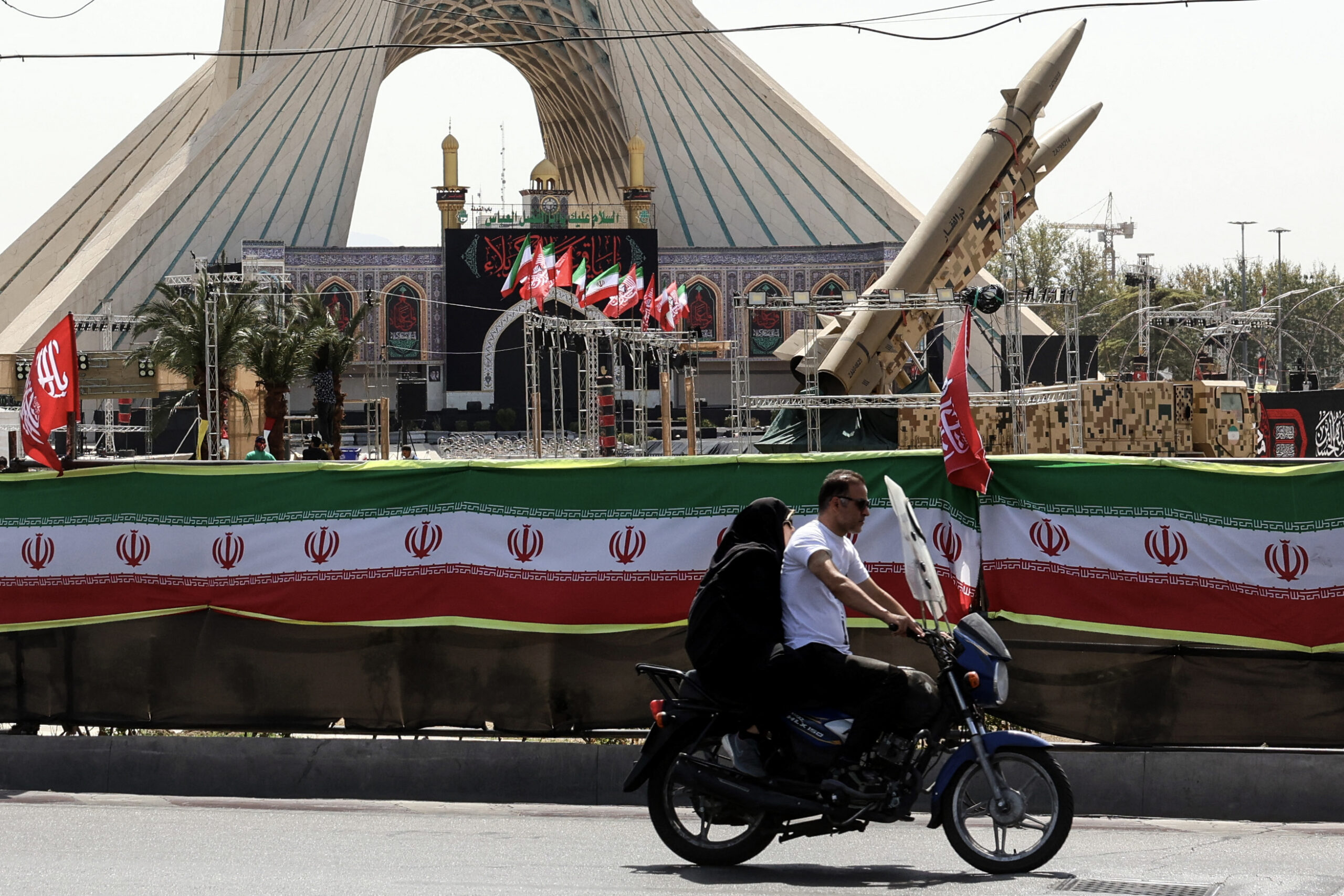
It is an uneasy stalemate, and even that is too strong a word, because there are still literally things exploding every day, mostly in the Strait of Hormuz. The U.S. has conducted airstrikes against Iranian targets in the last two to three weeks, though on a small scale, not a return to full-scale conflict. And the Iranians continue to target tankers.
Neither side trusts the other to make any kind of diplomatic arrangement to actually resolve this conflict. There are, I think, a lot of rumors and a lot of suspicions that many of the Arab Gulf states are, in fact, negotiating behind the scenes with the Iranians, and that they’re paying the Iranians off to allow some shipments of oil to get out.
There’s still this U.S. blockade inhibiting ships from getting in and out of Iranian waters in the Gulf. The theory is that if we put on enough economic pressure, this will cause the regime to collapse or the people to rise up, and that this will take some amount of time. We’ve seen this story before. Yes, you can create poverty, you can create economic hardship for people. We even see that the Iranian government is often quite unpopular. But we’ve never yet seen this actually lead to regime change and the emergence of a democratic state in Iran.
So, I think we’re back in this mode of “if we just try a little bit harder, maybe the regime will collapse,” and I don’t see it working.
Trump has three bad options for breaking out of the current limbo. One of them is to escalate the war, and we’re all waiting to see if that’s going to happen, and Israel’s Prime Minister Benjamin Netanyahu and Iran hawks are pushing for that. But the problem is Iran can hit back. They still have missiles. They’ve demonstrated the kind of damage they can do.
But the other two options—just walking away from the conflict or striking a deal to end the war—Trump seems psychologically unable to do this, because he’s so pathologically averse to being perceived as a loser. If he slinks away in the walk-away option, that doesn’t look good in his mind. And if he strikes a deal, that deal is probably going to manifest America’s strategic defeat or at least a stalemate. Which of these three things do you think is most likely?
The cynical answer here is that the blockade strategy is, in effect, a way for Trump to walk away from this without actually walking away. So, he can say we’re doing this, it’s going to take a long time, it’s going to build pressure…. But at the same time, it’s not an active war, we’re not burning through munitions. He’s just sort of saying the situation will resolve itself at some point. So, my cynical read is that we’re on that option because the two other options that you outlined—escalate or actually end the war—both seem, to him, more costly.
I think what’s really interesting about that though is: Would those options really be costly for him to do? And I really do think it is psychological…. But if you look at the polling, if you look at even congressional Republicans, there is a very strong basis of support in the country for just ending the war. And the fact that Trump is not willing to do that, even given that support, I think suggests that he’s just very, very dug in on this and that he’s probably not going to do an about-face and try to strike a deal with the Iranians.
It’s frustrating that we’re all just waiting for a decision by one man who launched this conflict without a congressional declaration of war. But Congress does control the power of the purse. Do you think that the Democrats could stop the war by cutting off its funding, and what would that look like? And do you expect them to do so, considering that some Democratic Party establishment figures are Iran hawks?
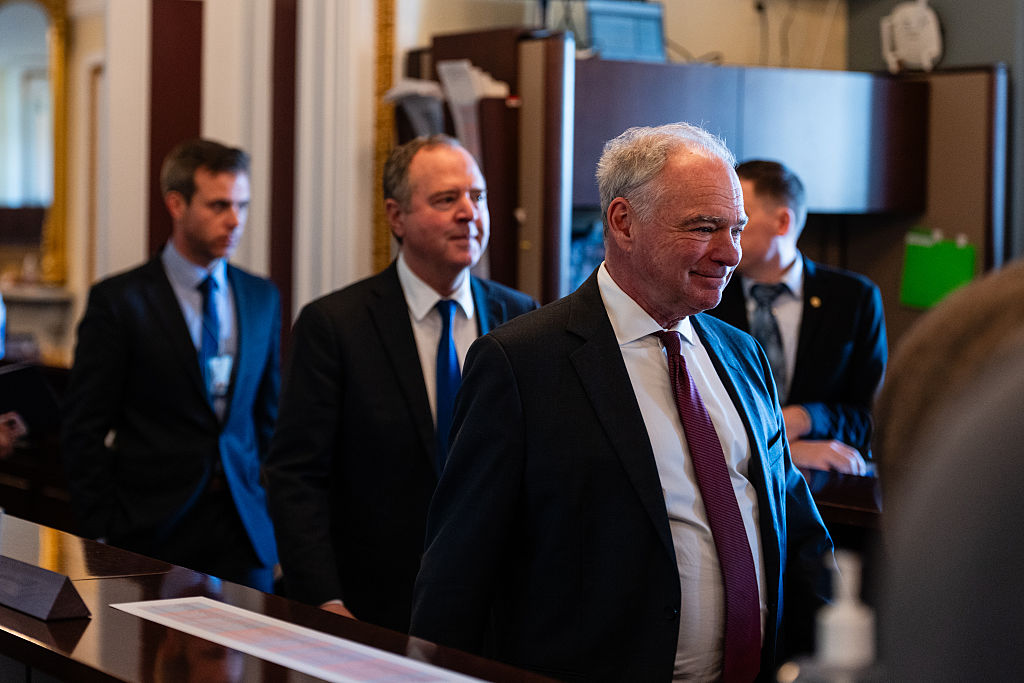
There’s an active debate right now in the Democratic caucus about whether they should try to cut off funds for the war. There is, I would say, a majority in favor of actually trying to do that, but they differ very much in strategy. Some think that they should do it during the lame-duck period of this current Congress, so in December. And there is a bill under discussion that’s being written by the office of Virginia Senator Tim Kaine, who’s been very good on war powers before, that they’re trying to put together. They even think they can get some Republicans on board.
But there are some Democrats who are a bit more hawkish, but who also worry that if they cut off funding for the war, they’ll get blamed for the fact that we lost the war. This is the same argument that we heard in Afghanistan, Iraq, and everywhere else. I just don't think that’s true in this case. But those Democrats say, “Well, we should wait until the new year when we have a clear mandate and we’re not trying to shut down the government right before Christmas, and then we should fight.” I suspect that if they don’t do it in December, it may not happen at all. But I do think there’s a reasonable chance that we’re going to see Democrats actually attempt this in the next couple of months.
Subscribe Today
Get daily emails in your inbox
Now, I will say, caveat here: Even if they do successfully pass this bill and they manage to cut funding for offensive operations in the war, there are already loopholes baked into this thing about “defensive action.” And so the Trump administration may simply ignore this. It’s hard to see any court taking the Congress’s side on this. So, I’m a little pessimistic overall about whether this will stop the conflict.
But I think it certainly sends a message, and it’s an important message to send. We’ve just had this election very clearly, in part, on the Iran war and the cost of living. Congress should show that they’re taking this seriously. And I think if they don’t, they’re not taking their jobs seriously.
Editor’s note: This transcript has been lightly edited for readability, conciseness, and house style.