Where’s the Antiwar Left?
Demographics and technology have conspired to keep the streets clear of protestors.
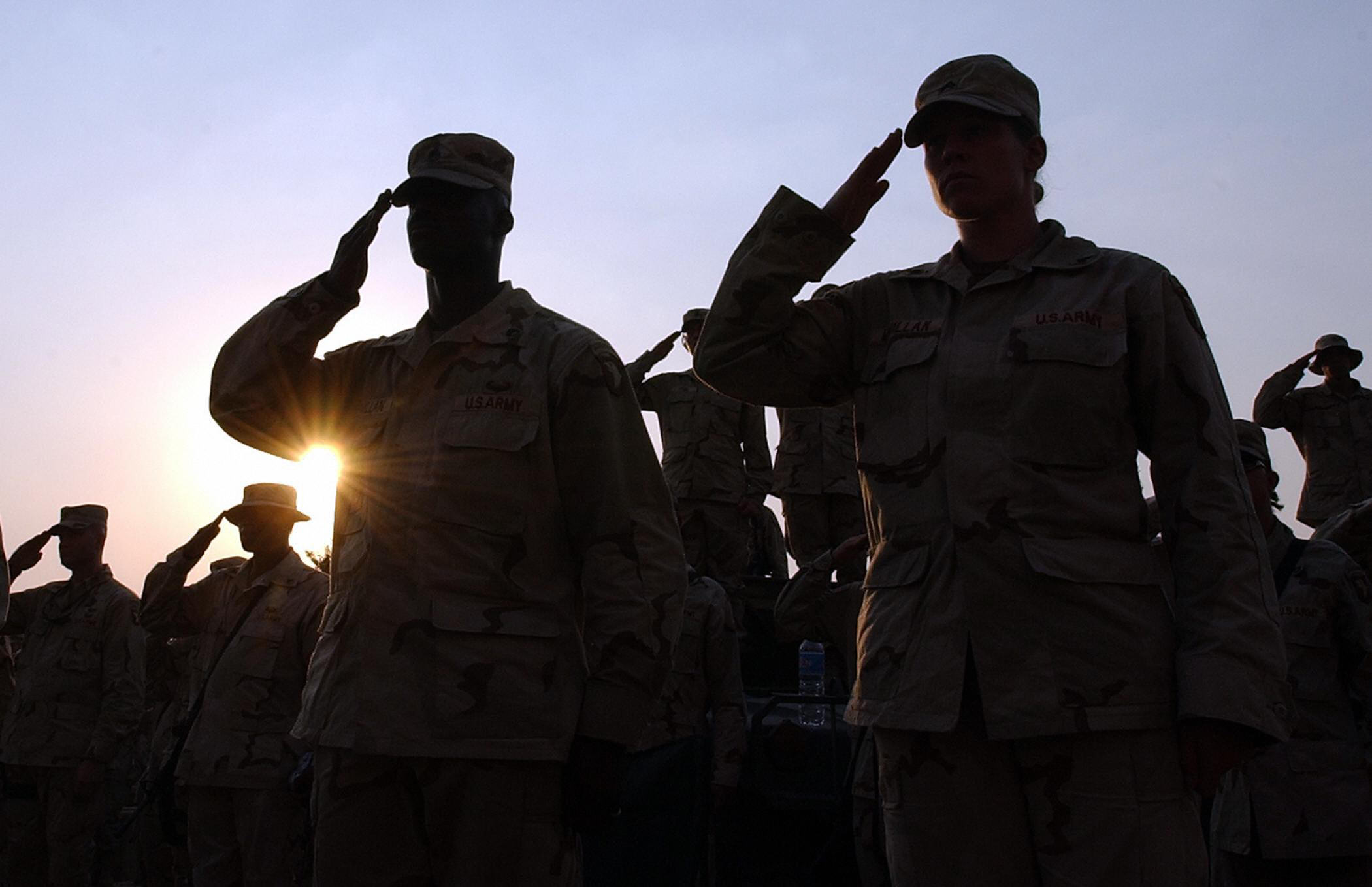
The world remains fixated on President Donald Trump’s war with Iran, with concerns rising over how it may harm the global economy and Middle Eastern stability. It’s already killed 13 Americans and could kill far more.
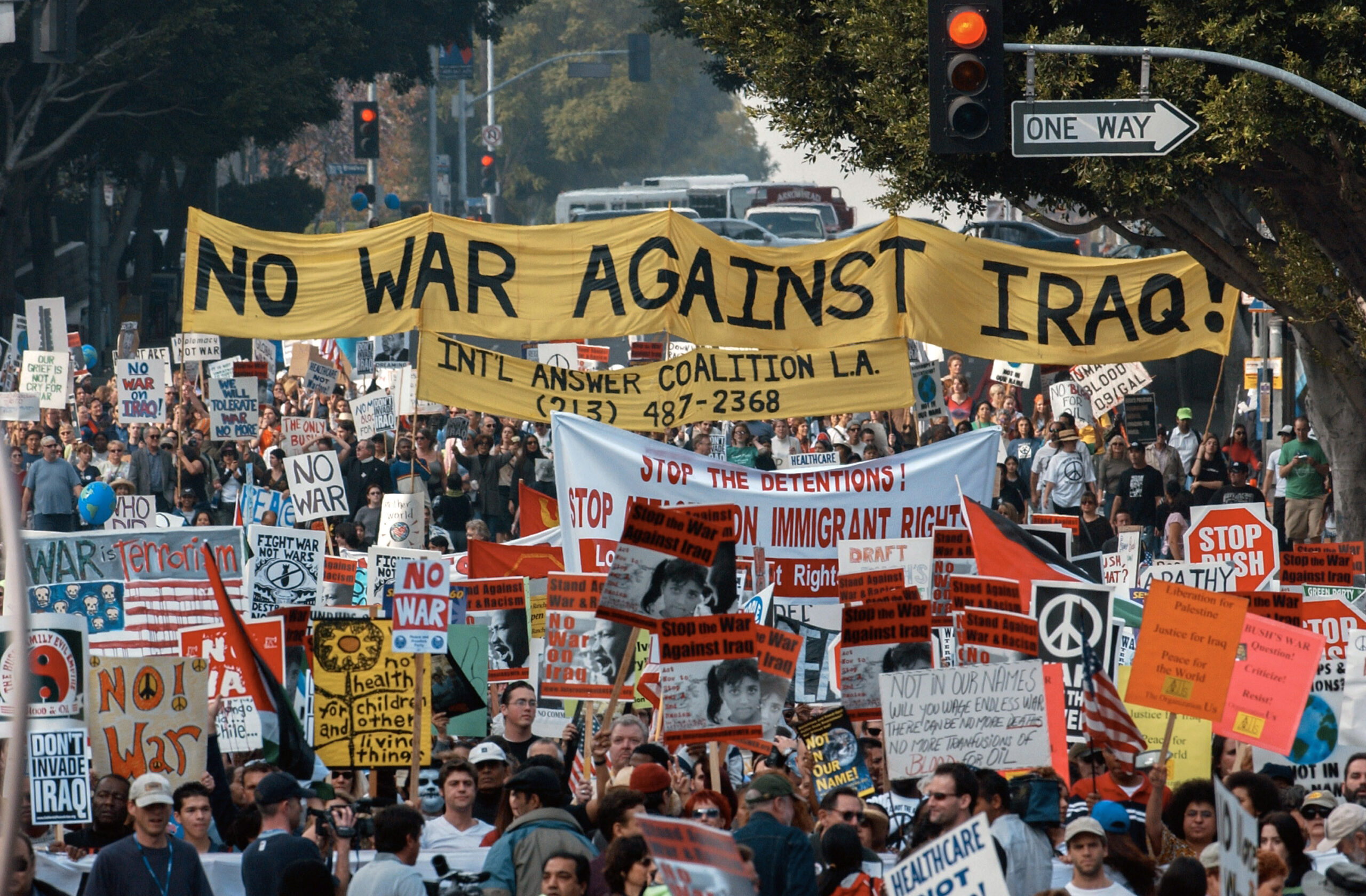
Yet, unlike past conflicts, there are no large-scale demonstrations against the war. The opposition party also remains rather muted about the conflict. Right-leaning podcasters and influencers seem to be driving more of the opposition towards the war than the traditionally dovish parts of the left.
The missing antiwar movement is a cause of concern at the Nation. Rutgers professor Eric Blanc bemoaned this missing coalition in an article for the liberal publication this week. Blanc noted that the war is unpopular, with under 40 percent of Americans backing it. “Why then has there been so little collective protest against the US-Israel offensive?” he asks.
His article offers some unsatisfying explanations, from claiming Americans feel powerless to Trump doing “so many horrible things” that it’s hard to focus on a single issue. The article mostly amounts to cope.
There are clear explanations for why the Democrats seem relatively unconcerned with the matter and why there are no large-scale protests.
One reason is that this war’s direct impact on Americans has been limited so far. There have been limited casualties, no call-ups of troops, and no draft on the horizon. Rising gas prices have been the only discernible effect on Americans’ daily lives. Americans certainly do care about the conflict and are aware of it happening. But, like most foreign conflicts, it hasn’t upended their lives.
America has been able to get away with numerous interventions over the last decade or so by limiting the effects on domestic life. Libya, Syria, Ukraine, the 12-Day War, and Venezuela were all just fodder for the news. As long as Americans feel no real pain from military actions, the U.S. government can do what it pleases. The calculus changes when the costs can no longer be ignored. Public opinion soured on Iraq as the casualties mounted with little progress to show for it.
It can be argued that the consequence-free war is now considered the norm for American interventions. The first Gulf War inspired mass protests before the planes even started bombing Baghdad due to the shadow Vietnam cast over America. Thirty-five years later, we now think we can bomb foreign lands with minimal risk.
The Iran War could create the costs that make Americans build an antiwar movement. But we’re not there yet.
A second reason why the left hasn’t generated an antiwar movement is that it has other priorities. Trump’s battle with Minneapolis generated more outrage than the Iran strikes. Democrats were united in denouncing the ICE raids and shootings, with many coming to revive the once-discredited idea of abolishing the agency. Thousands of leftists took to the streets to disrupt immigration enforcement and show their displeasure with Trump’s policies. Hostility towards ICE raids has become a centerpiece in many Democrats’ campaigns this year.
While the Left was united in response to Trump’s immigration policies, the Iran strikes caused division within its ranks. Some Democrats condemned the intervention in no uncertain terms. Others, such as Mark Kelly and Tom Suozzi, were either circumspect about the strikes or supportive of them. Unlike immigration, which seems to be a shared priority for Democrats in the general election, the Iran War is a contested issue in the party’s primaries. “At least half a dozen progressives are challenging establishment-backed or moderate rivals over the Iran war,” according to Reuters.
Of course, plenty of people protested against the Iraq War when it was a contested issue among Democrats. The same is true for Gaza. But, at the moment, the left cares more about other matters.
A third reason is that the young are no longer interested in street protests. Several publications have noted the lack of Zoomers at recent left-wing protests. Most of the attendees at “No Kings” demonstrations sported gray hair. Gen Z’s absence can be explained by their relative lack of interest in politics compared to older generations and their preference for engaging in politics through social media rather than direct protest. One study found that of the young people engaged in politics, nearly two-thirds say their involvement is mostly through digital means.
Social media shows widespread opposition to the Iran War. Young people may feel it makes more sense to like an Instagram post or repost an X meme to show their opinion than to take to the streets.
Subscribe Today
Get daily emails in your inbox
Yes, young people have gotten involved in protests. The Palestinian protests are one example, as are the school walkouts against ICE. But these are organized and directed by people with more of a direct connection to those issues. It’s not hard to understand why a school with kids of illegal immigrants would protest against ICE, or why Palestinian students would organize a protest against Israel. Without that direct connection to an issue, people are less motivated to demonstrate.
There might not be a need for an antiwar movement to take to the streets. It’s unlikely the war is going to get more popular over time. Prowar Democrats losing their seats over Iran sends a stronger message than 10,000 people marching through Washington, DC. The same would be true if Republicans have a disastrous midterms as a result of the conflict. The street movement model may be unnecessary in today’s age. We increasingly live online. Over half the country gets a portion of its news from social media. If you want to get the public’s attention, memes and short-form videos are now a better way to do it than chants and placards.
One could argue there already is an antiwar movement. But it’s not exclusively tied to the left and it’s not organizing marches. To find it, you just need to log in to X.