It will soon be 10 years since the referendum on British membership of the European Union. But Brits just can’t seem to let Brexit go. The Labour prime minister Keir Starmer has, in a lengthy interview in the Observer newspaper, renewed speculation about the UK rejoining the EU. His deputy, David Lammy, has more or less said he supports rejoining.
It will never happen, for reasons to be explained. But why is the British government apparently seeking to revive the intense culture war that followed the original Brexit vote?
The decision to leave the European Union, which Britain joined half a century ago when it was the European Economic Community, was on a very narrow result. In the Brexit referendum in June 2016, 52 percent voted to leave against 48 percent for remaining in the 28-nation-strong union.
The result was a huge shock for the media, which had expected a Remain victory, and also to the liberal-left British establishment. The Conservative prime minister David Cameron resigned the morning after the vote.
The losers refused to accept the result. Commentators in the left-wing Guardian and Observer newspapers claimed that voters had been duped by Russian misinformation spread by internet algorithms and that prominent Brexit campaigners had received Russian funding. An inquiry by the Electoral Commission found claims of interference to be baseless, but many on the left still believe that it was Putin who tipped the balance against Remain.
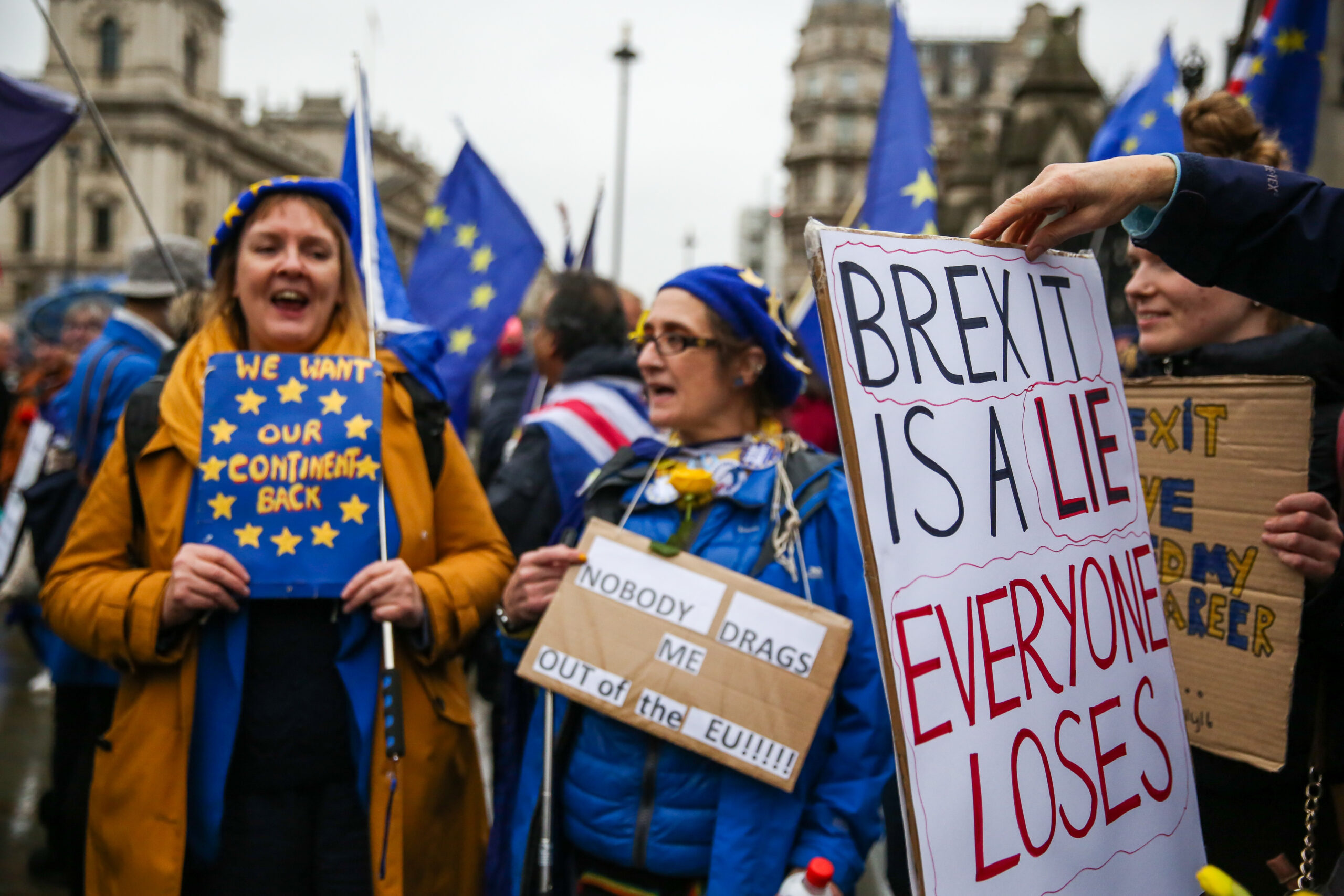
Politicians of the left went on to argue that such a momentous decision should not have been taken on such a small margin of votes (though they would never have said this had it gone the other way). There were years of anti-Brexit marches and demonstrations outside Westminster. Starmer (before he became Labour leader) and Scotland’s then–First Minister Nicola Sturgeon of the SNP led a movement calling for a repeat referendum. Sturgeon said that, since Scots had voted to remain in the EU, Scotland should be allowed to leave the UK.
Eventually, after epic late-night battles in the House of Commons over the exact terms of the Brexit deal with Brussels, Britain formally left the EU in January 2020. The new Tory prime minister Boris Johnson had won a near-landslide election victory on his promise to “get Brexit done.” But Remainers still wouldn’t give up claiming that British economic growth had been suppressed by Brexit. In fact, UK growth since the referendum compares favorably with comparable economies like France and Germany.
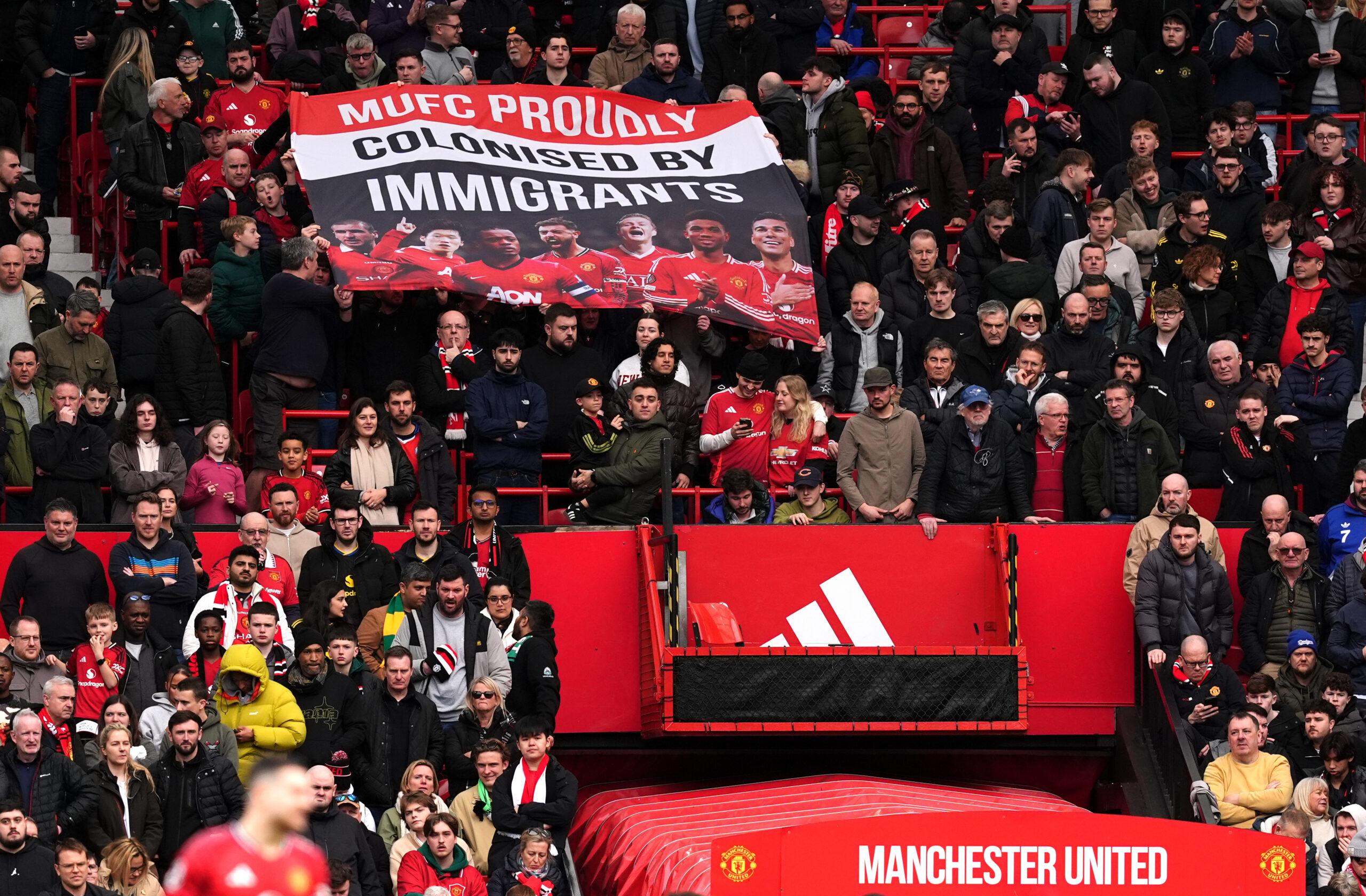
The division over Europe became part of the wider culture war between the pro-immigration liberal UK elites in academia, the media and big corporations, and the so-called “left-behinds,” working-class voters in economically disadvantaged areas, who were opposed to mass immigration. Britain has never been more divided. This unresolved divide has disfigured UK society and is undoubtedly contributing to Britain’s economic and geopolitical malaise.
So—can Keir Starmer be serious about reopening these wounds and setting off another Brexit civil war? He promised before he was elected prime minister in July 2024 that Labour would not rejoin the European Single Market, the Customs Union, or the Schengen free-movement zone. So what is he up to now?
The prospect of staging another referendum on rejoining the EU would be madness, especially given the unpopularity of the Labour government and of Starmer himself. He is, in some opinion polls, the most unpopular prime minister since records began in 1977. Why would he seek to plunge into another minefield?
He must know anyway that it will never happen. This is because the European Union will not welcome the errant UK back in with open arms. It will impose a heavy price on British reentry, if only pour encourager les autres.
Only last month Brussels effectively barred Britain from joining the SAFE European defense funding arrangement by demanding a punitive entry fee, which the UK government simply could not accept. Brussels has made it abundantly clear that Britain would have to crawl on its knees back into the fold.
Before Britain left the European Union, it had a rather privileged and probably unrepeatable deal. Most important, it had secured an opt-out from the euro—the European Single Currency. Countries that seek to join Europe normally have to accept the euro as their currency as a condition of membership. But not Britain. The UK also had a significant rebate from the European budget negotiated by Margaret Thatcher in the 1980s. Britain would also have to adopt the very visa-free movement of EU citizens to Britain that was the source of much of the controversy over immigration before Brexit.
The idea that Starmer would again throw open Britain’s borders, throw billions of public money at Brussels, and accept membership of the single currency that has been blamed for repeated financial crises in Europe, is for the birds. It just isn’t going to happen.
So again, why has Starmer reopened this issue? Sheer incompetence cannot be ruled out. Starmer has been hopelessly adrift since he entered Number 10 and this might just be another dimension of his government’s dysfunction. It is true that in some opinion polls voters seem to look favourably on the EU. Some Brexit voters are definitely experiencing buyers’ remorse. Publications like the Financial Times and the Economist think Britain has lost out because it is excluded, in various degrees, from Europe’s 500-million-strong market. But that is before they stop to think what rejoining might entail.
Starmer is of course a diehard Remainer, and it may be that he believes he can secure more support in the fractious Labour Party, and see off political rivals, by raising the EU standard. Labour’s heartland is no longer in the working-class seats of the North and other areas of the so-called “Red Wall,” but in well-to-do urban seats in places like Oxford and central London. These tend to be very “Remainer” constituencies. It also helps Labour in Scotland.
Subscribe Today
Get daily emails in your inbox
But this looks more and more like another political own-goal by a politician who became prime minister almost by accident. The most common observation of voters in focus groups, and among members of the Labour Party, is that they don’t know what Starmer stands for. It’s not entirely clear that he knows himself.
He became Labour leader promising to nationalize utilities and scrap university tuition fees, and then dumped left-wing policies as soon as he was elected. For a prime minister at sea, perhaps the coast of Europe looks a bit like a safe haven. But he should know it is actually a deadly exposed reef.