The Bitter Fruit of Sanctions
Reuters reports new information about how U.S. sanctions are choking off humanitarian trade with Iran:
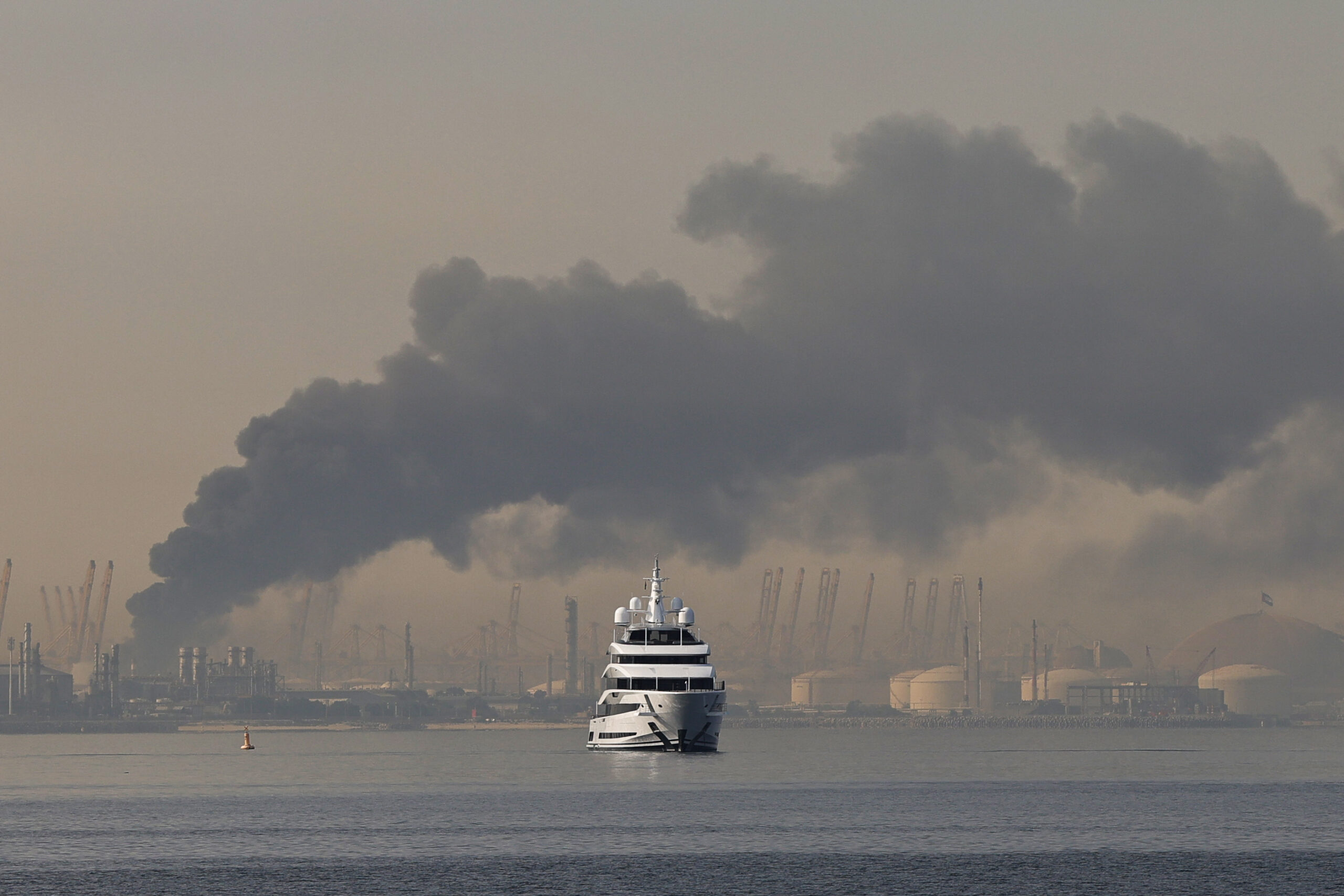
More than 20 ships carrying around one million tonnes of grain are stuck outside Iranian ports as U.S. sanctions create payment problems and hamper the country’s efforts to import vital commodities, sources directly involved in the trade said.
Trading companies such as Bunge (BG.N) and China’s COFCO International have been hit by payment delays and additional costs of up to $15,000 a day as the renewed U.S. restrictions stifle the processing of transactions, trade sources said.
It does ordinary Iranians no good to tell them that food and medicine are exempt when the goods are never delivered because payment cannot be processed. When an entire country’s financial sector is put under siege, very few are willing to take the risk of doing business with them. The latest measures imposed last month have exacerbated the effects of the economic war. As Tyler Cullis and Brian O’Toole both pointed out when the new sanctions were announced, the only effect they will have is to strangle humanitarian trade. Cullis said this last week:
That exception has been eviscerated by the new designation. Foreign banks engaged in humanitarian transactions involving Iran’s central bank may now be cut off from the U.S. financial system, as there is no similar humanitarian exception for Iranian banks designated as Specially Designated Global Terrorists. How Iran will navigate this development, and whether foreign banks will remain willing to facilitate humanitarian trade with Iran, remains a looming unknown. That is not something to treat casually when considering Iran has a population of 80 million.
O’Toole gave a similar warning:
The only appreciable impact of the September 20 designation will be to further impair the delivery of food and medicine to the Iranian people, who are already struggling to get needed supplies and to antagonize US partners around the globe who want to export such goods, especially the European Union.
That is what has happened. Banks that previously were willing to make these transactions have been frightened away from doing any business with Iran:
Separate U.S. sanctions imposed in September on Iran’s central bank – following attacks on oil facilities in Saudi Arabia that U.S. officials blamed on Tehran – have added to difficulties with transactions.
The Iranian port official said these latest sanctions would scare away banks.
“Some small banks that we used to work with have informed us that they will no longer do business with us,” he added, declining to name the banks.
Sanctions are causing Iran’s food imports to be cut off. Food suppliers are halting their shipments:
Two sources said the increasing difficulties had prompted U.S. agribusiness company ADM (ADM.N) to halt trading with Iran since August. An ADM spokeswoman declined to comment.
Trade sources told Reuters in December that Bunge and rival U.S. group Cargill [CARGIL.UL] as well as other suppliers had halted new food supply deals to Iran due to payment issues.
The result is shortages and higher prices. Iranians are forced to cope with an ever-increasing cost of living paired with a steadily deteriorating quality of life. That is what our Iran policy does to tens of millions of people that have done nothing to us.