Opposing Greenland’s Annexation Should Be About Sovereignty, Not Saving NATO
A more principled stance from Europe would find broader appeal outside the Western world.
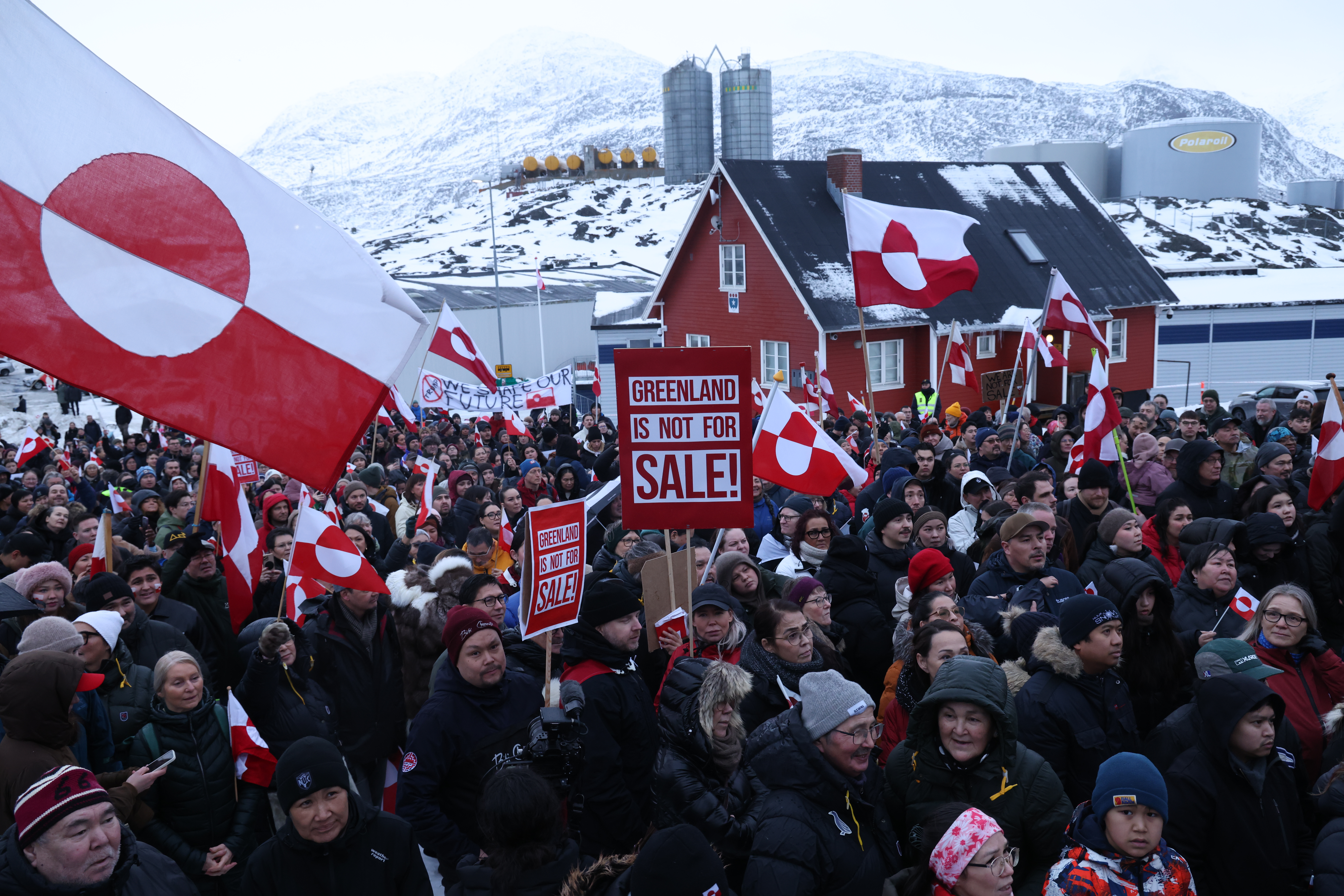
President Donald Trump’s continued efforts to seize and annex Greenland have shaken many in the European security policy establishment. Instead of narrowly focusing on the indispensability of sovereignty and potentially finding common cause with the Global South, European leaders and policymakers have prioritized the preservation of a military alliance by largely focusing their criticism of the Trump administration on the basis of Denmark being a reliable and longstanding NATO ally. By seeking to distinguish themselves from the non-West and by continuing to pay lip service to supposed Russian and Chinese security threats in the Arctic, European governments are implicitly legitimizing the logic of aggressive expansion while seeking to carve out a European exception.
With many European leaders having either overtly or tacitly condoned the U.S.–Israeli bombing of Iran and the United States’ subsequent kidnapping of Venezuela’s President Nicolás Maduro, governments across the continent have already weakened global sovereignty norms in a bid to shore up U.S. commitments to NATO. In trying to ward off an American invasion, Greenland’s Prime Minister Jens-Frederik Nielsen even argued that the island’s situation is not comparable to Venezuela on the basis that the former is democratic and the latter is not.
But by arguing that some places should not be conquered on non-sovereignty grounds, Atlanticists are arguing that all states are equal but some are more equal than others.
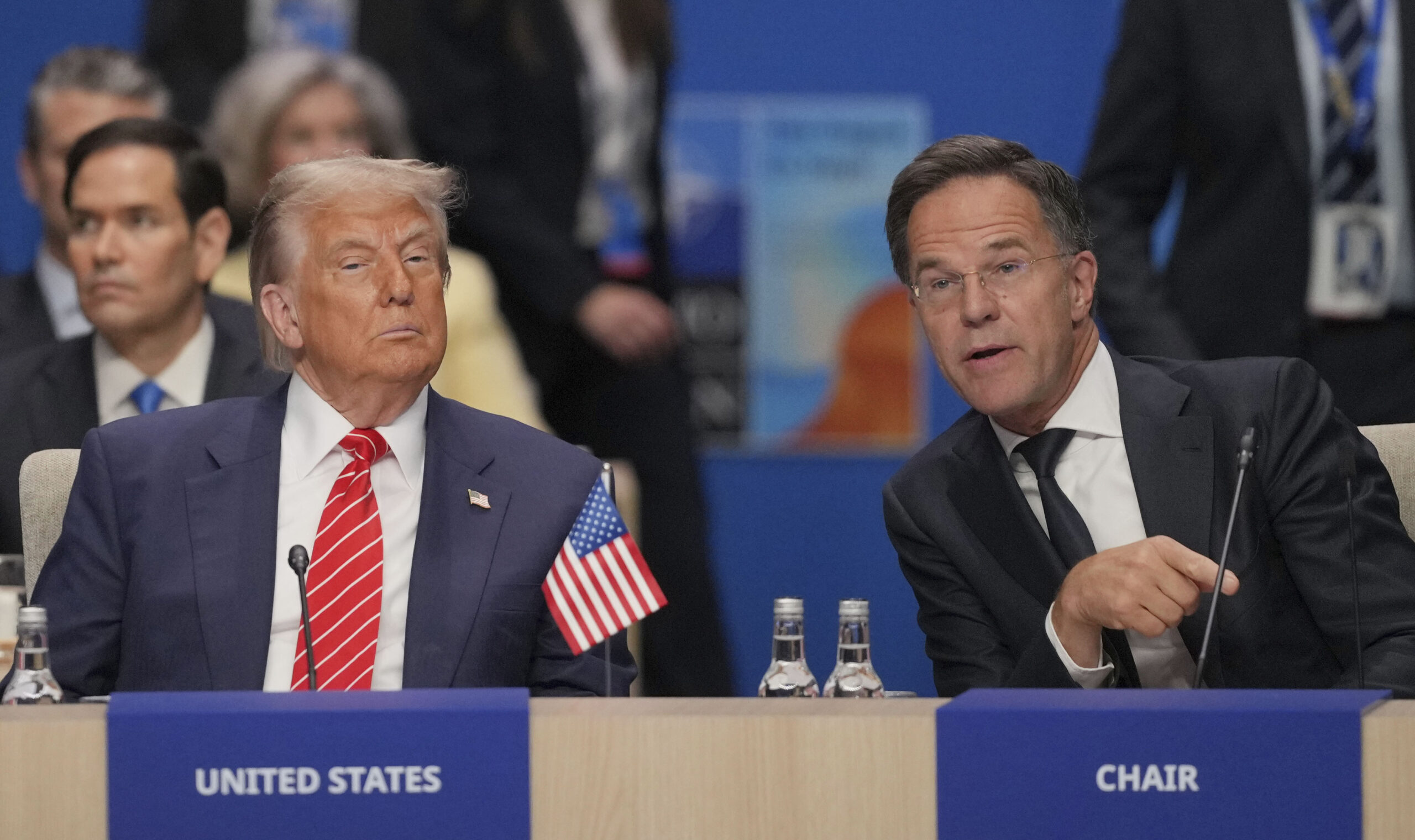
Danish, European, and NATO officials have sought to placate Trump by agreeing with the claim that Russia and China pose a threat to the Arctic in general and to Greenland in particular. When answering a question on Greenland, NATO Secretary General Mark Rutte even credited Trump with bringing attention to the alleged Russo-Chinese dangers to Arctic security:
It was President Trump, in his first term, as I said, who basically alerted us to the fact that sea lanes are opening up, that Russia and China are more active, and that you have to do more there together.
Of course, as NATO chief, Rutte has a strong incentive to affirm the U.S. president’s views on Russian and Chinese aggression to preserve American support for the alliance. However, by buying into Trump’s rhetoric, opponents of Greenland’s annexation are radically inflating the supposed threat to the island and distracting from the core issue of sovereignty.
In the case of Russia’s Arctic posturing, little has changed since February 2022. According to Kristian Friis, a senior researcher at the Norwegian Institute of International Affairs, “despite claims to the contrary, military day-to-day business in the European Arctic remains relatively unchanged. Russia’s activities appear to signal a desire to maintain the status quo rather than revisionist stance [sic].”
Meanwhile, China’s Arctic presence is a direct result of Western efforts to isolate Russia and China. A senior fellow at the Institute of the North, Barry Scott Zellen, notes that
the Moscow-Beijing Arctic alignment has been in lockstep with the West’s economic and diplomatic isolation of Russia, and the increasingly militarized efforts by America and its partners to sever trade links tying Russia’s Arctic energy resources to European markets.
European statements, whether by national leaders or by the EU’s Commission and Council presidents, have mentioned the importance of sovereignty. However, even these statements frontloaded the importance of Arctic security and the survival of NATO instead of beginning and ending with sovereignty.
Efforts to justify Danish/Greenlandic territorial integrity on the basis of being an American ally not only assume only U.S. allies are uniquely worthy of sovereignty but also gives way to mythmaking. In a piece for The Atlantic, Tom Nichols offered as evidence that Denmark was “our ally during the world wars of the 20th century,” despite the fact that Denmark was neutral during the entirety of the First World War and under German occupation for almost the entirety of the second, with the government staying in place in Copenhagen. Though the article has since been corrected, the view that World War II and the transatlantic legacy it spawned are reasons not to annex territory continues to predominate in Western discourse.
Subscribe Today
Get daily emails in your inbox
European officials and Beltway commentators are not the only ones accidentally affirming the legitimacy of military aggressiveness with a North Atlantic carve out. U.S. Senators Lisa Murkowski (R-AK) and Jeanne Shaheen (D-NH) introduced the NATO Unity Protection Act, which would prevent the Pentagon from using its funds “to blockade, occupy, annex, conduct military operations against, or otherwise assert control over the sovereign territory of a NATO member state.” Considering that the Charter of the United Nations already prohibits such unilateral actions, efforts by members of Congress to protect only 31 foreign countries from American use of force undermine the territorial integrity and sovereignty of more than 160 UN member states.
Defenders of Danish sovereignty over Greenland should not try to emphasize Copenhagen’s steadfast military alliance with Washington, which has resulted in the loss of Danish lives in disastrous wars like Iraq. Instead, sovereignty needs to be safeguarded on its own merits. If not being a (good enough) ally is sufficient to make one the subject of conquest, then most of the world could be taken over.
As long as Europe continues to frame Greenland as a moral position while ignoring territorial violations elsewhere, the continent will continue to be increasingly marginalized by the non-Western global majority. However, if Europe links Greenland’s sovereignty to a defense of the sovereignty of all states, the fate of the icy island may transcend its current state of being a transatlantic psychodrama.