
New National Defense Strategy Emphasizes Homeland Defense, not Countering China
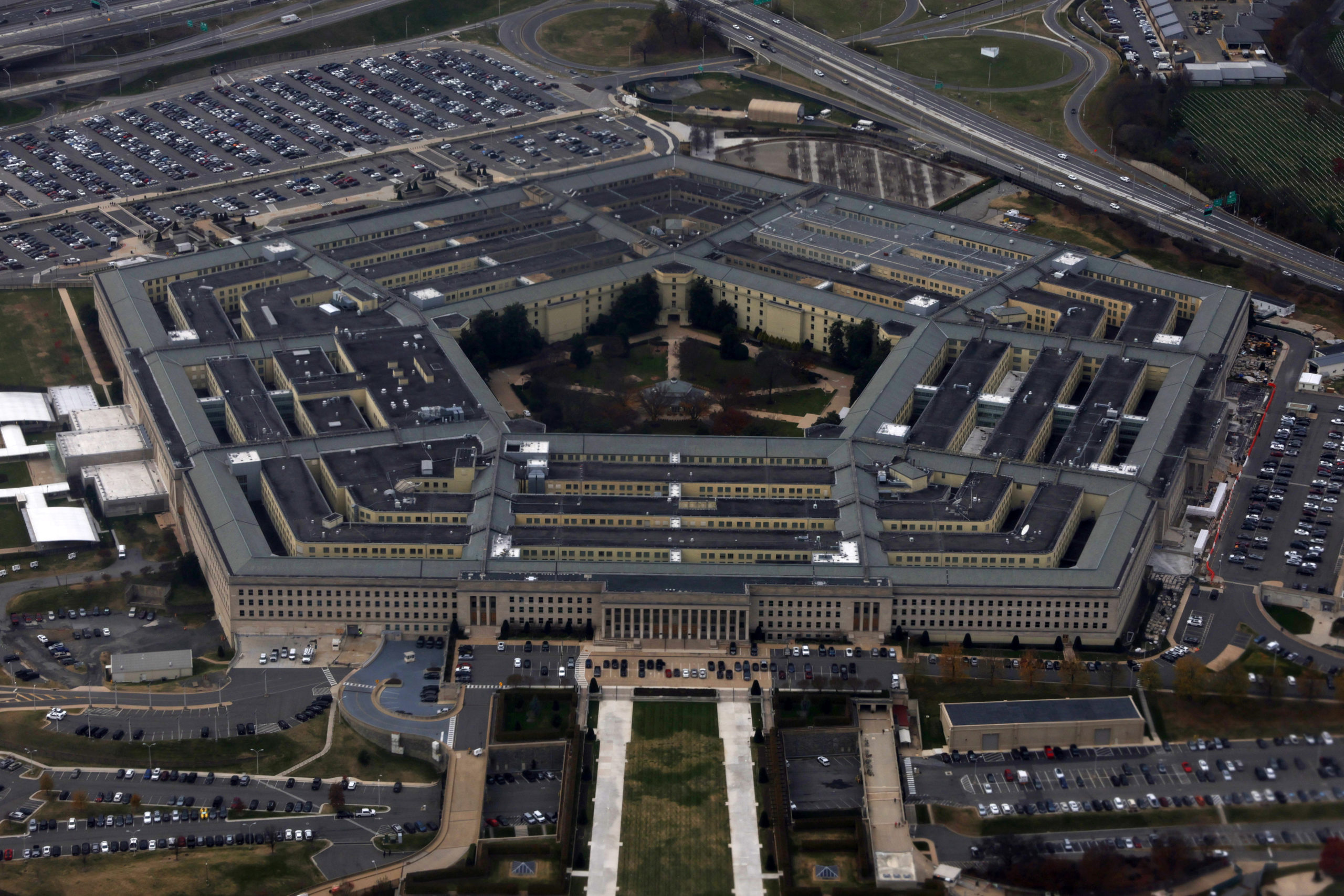

The Pentagon released its long-anticipated National Defense Strategy late Friday. The new document presents a sharp shift in U.S. military priorities by elevating defense of the homeland and the Western Hemisphere above countering China.
Subscribe Today
Get daily emails in your inbox
The 34-page strategy breaks with approaches taken during both the Biden administration and President Donald Trump’s first term, arguing that past governments diluted U.S. power by pursuing “grandiose” global strategies rather than concrete American interests. It emphasizes securing U.S. access to the Panama Canal, the Gulf of Mexico, and Greenland in order to end the possibility of potentially hostile actors gaining influence over “key terrain” in the Western Hemisphere.
China remains a central concern, but the document reframes relations around diplomacy backed by military strength rather than confrontation, and omits any explicit reference to Taiwan. It calls for a “strong denial defense” in the Pacific to deter conflict. Russia is described as a “persistent but manageable threat” to Eastern European nations, while Iran and North Korea receive less prominence than in past analyses.
The strategy also signals a reduced U.S. role abroad, urging allies—particularly in Europe and Asia—to assume greater responsibility for their own defense. The Pentagon said the shift does not amount to isolationism but rather reflects the “hardnosed realism” that Trump is championing as his second-term foreign policy.