Did Britain’s Chancellor Lie About Her Monster Budget?
Quibbles about rhetoric distract from the radicalism of the tax and welfare hikes.
British politicians rarely lie. Even Boris Johnson’s notorious claim on the red Brexit bus in 2016 that Britain sends £350 million a week to the European Union was not actually a lie. That was the official level of Britain’s contribution to the Brussels budget. What the advert didn’t say was that around half comes back in the form of rebates and investment subsidies.
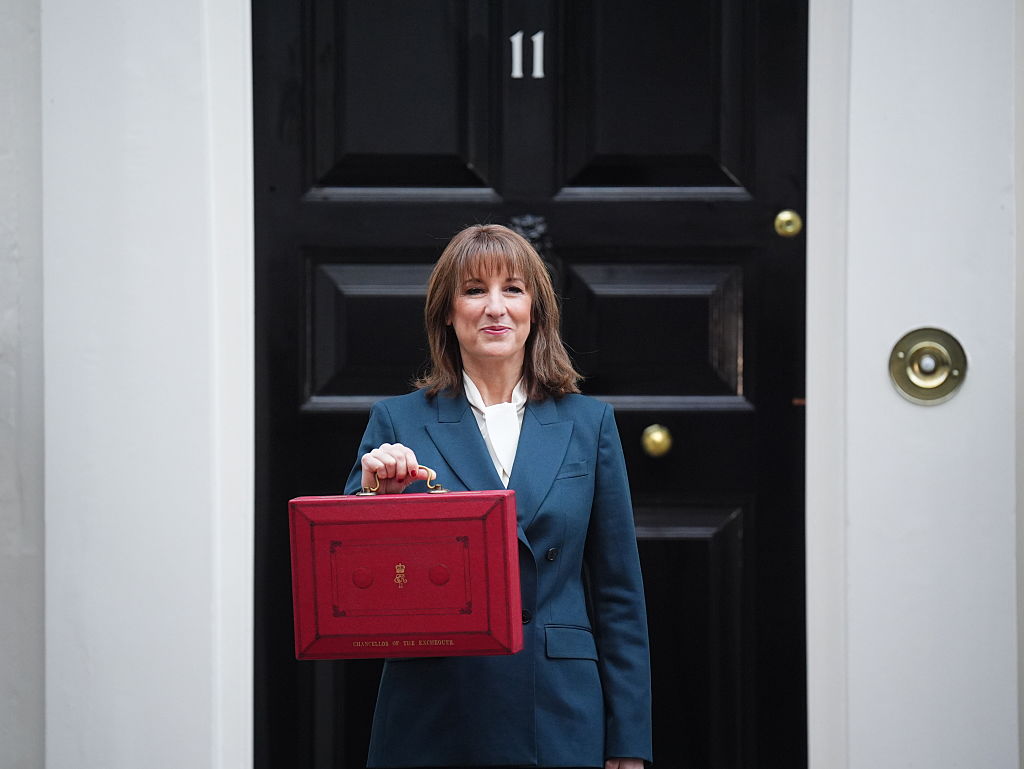
So this week, when the Tory leader Kemi Badenoch and most of the UK media accused Chancellor Rachel Reeves of “lying” about the state of the UK’s deficit in order to justify tax rises, I did not add my voice to the clamour. In fact, she had done something almost as bad. She used sleight of hand to push through yet another increase in Britain’s already unsustainable welfare bill.
Reeves was doing what all politicians do, which is being economical with the truth. When she delivered her dire warnings about the “black hole” in public finances in an alarmist early morning address to UK voters just weeks before budget day, she did not inform them that the independent budgetary watchdog, the Office for Budget Responsibility, had radically downgraded its expectations of the gap.
She did not, in fact, have to increase taxes by £26 billion in order to reassure the bond markets that the UK finances were sound. The notional deficit had actually turned into a nominal surplus of about £4 billion as a result of better-than-expected tax returns.
But Reeves kept talking about black holes to divert attention from what was in fact “a Budget for Benefits Street,” as Badenoch put it—a reckless gamble with the nation’s future.
Britain is already drowning in a sea of welfare, the cost of which is set to rise to over £300 billion, nearly a quarter of the UK budget. Spending on health and disability benefits alone could reach £100 billion by 2029. Almost a million young people are not in work or training.
Britain’s bewildering array of benefits can, for those who know how to work the system, deliver a very comfortable living without having to work. The left-leaning Centre for Social Justice has revealed that “benefits pay £2,500 more than wages of a full-time job after tax.” This is clearly insane.
Yet when Reeves entered government in 2024 she promised to cut the Tory “welfare bill” and said that the government would be “laser-focused” on increasing Britain’s moribund growth rate. Reeves also promised not to increase taxes on working people. In the event, she has increased taxes on working people (and pensioners) by a total of £66 billion across two budgets.
Again: Did she lie? Technically no, since she defined “taxes on working people” narrowly as referring to income tax rates, National Insurance payments, and value added tax (sales tax). These she has not actually increased. Instead, she increased taxes on businesses and froze income tax thresholds on workers, meaning that a million more Brits on modest incomes of £50,000 (about $67,000) find themselves paying tax at 42%, including 2 percent National Insurance. If they have a student loan you can add 9 percent, meaning a marginal tax rate of 51 percent.
This is the so-called “stealth tax” approach to public finance. But it isn’t so stealthy anymore; taxpayers are waking up to the reality of high-tax/high-welfare Britain. A majority believe Reeves has broken her manifesto pledge.
Perhaps voters would’ve cut the Chancellor a little slack if they’d thought that these tax hikes would improve the state of public services or help grow the economy. But they know, and she knows, they won’t—at least not so anyone would notice. The OBR forecast is that UK GDP will essentially flatline for the next five years at just over 1 percent if lucky, while the benefits bill grows by at least £80 billion.
The Labour Party government may say they want economic growth, but many Labour MPs think “growth” should be measured by growth in spending on public services, ignoring the inconvenient truth that it is the taxes of private-sector workers—82 percent of the UK workforce—that pay the salaries and pensions of well-heeled public-sector workers.
Almost the first thing Reeves did on entering government was award Labour’s paymasters, the public sector unions, by handing out above-inflation pay rises to those treasured public-sector workers. NHS junior doctors got a 22 percent increase in pay last year. They have expressed their gratitude by ordering a new wave of strike action over this Christmas season, despite warnings of the risk to patient care.
The most controversial welfare hand-out in Reeves’s budget was the lifting of the two-child cap on Universal Credit payments. The Conservative government had ruled years ago that people living on benefits should not be able to have large families paid for by the taxes of working families who could not afford to have more than two children themselves.
Subscribe Today
Get daily emails in your inbox
Labour said that the Tories had plunged more than 300,000 children into poverty. They hadn’t, of course: it was arguably the decisions by welfare families themselves, since the policy was first announced in 2015. No one forced them to have three or more kids. But Labour MPs cheered to the rafters when she announced that the two-child benefit cap was to be lifted.
What Reeves didn’t say was that this move will also reward many Muslim families who tend to have larger families. Some Labour MPs in multiracial urban constituencies rely for their majorities on the votes of ethnic minorities and people on benefits. But did she lie about this? No. She just never talked about it, knowing that anyone who did talk about the ethnic dimension will be labelled a racist.
This Labour government is testing the UK economy to destruction. Can a society survive on welfare instead of work? We’re about to find out. And that’s no lie.