An Extended War With Iran Will Weaken American Deterrence Against China and Russia
Limited resources are being used up at the expense of other theaters.
The United States is running out of ammunition in our war with Iran. The Trump administration has repeatedly struck Iran after failing to reach a deal over Tehran’s nuclear program. Most recently, President Donald Trump said the conflict could go on for as long as “four weeks.” But each day the war goes on, the more America uses scarce missiles that will take billions of dollars and years to replace. The sooner the United States can declare victory and go home, the better it will be for Washington’s ability to conventionally deter China, Russia, and North Korea.
Among Washington’s objectives are the degradation of Iran’s military capabilities, the reduction of oil flowing to China, and for a different, more compliant leadership to emerge in Tehran. That last aim carries the greatest probability of an extended conflict. This is because regime change from the air is not possible without armed conflict on the ground—either through a U.S.-led invasion or from a local revolt of Iranians and their military against their government. Given the Iranian people are not armed, any revolution would have to come from their own military, which so far has remained loyal to the regime.
Secretary of Defense Pete Hegseth recently said this will not be another endless war of nation-building. That’s good, and the American people should demand no boots on the ground. But the war aim of “regime change” or “regime adjustment” is still worrisome. Such a war aim is an existential threat to the Iranian government, meaning they have little to lose and will fight all the longer and harder.
Iran will have new leaders anyway because most of the old ones are now dead. But that does not mean the new ones will agree to every one of Washington’s terms. All Washington can do is hope for part of the Iranian military to revolt and then to hope any resulting civil war does not cause more regional chaos than it is worth. But hope is not a strategy.
Regardless of whether a new nuclear deal can be had, America can still declare victory and should do so soon. Iran’s military is wrecked, most of its leaders have been killed, and it still has its nuclear program set back years. The United States should quit while it is ahead and refocus on China, Russia, and North Korea. Save our offensive missiles and defensive interceptors in case we need them later and let the embers in Iran be a warning to would-be adversaries.
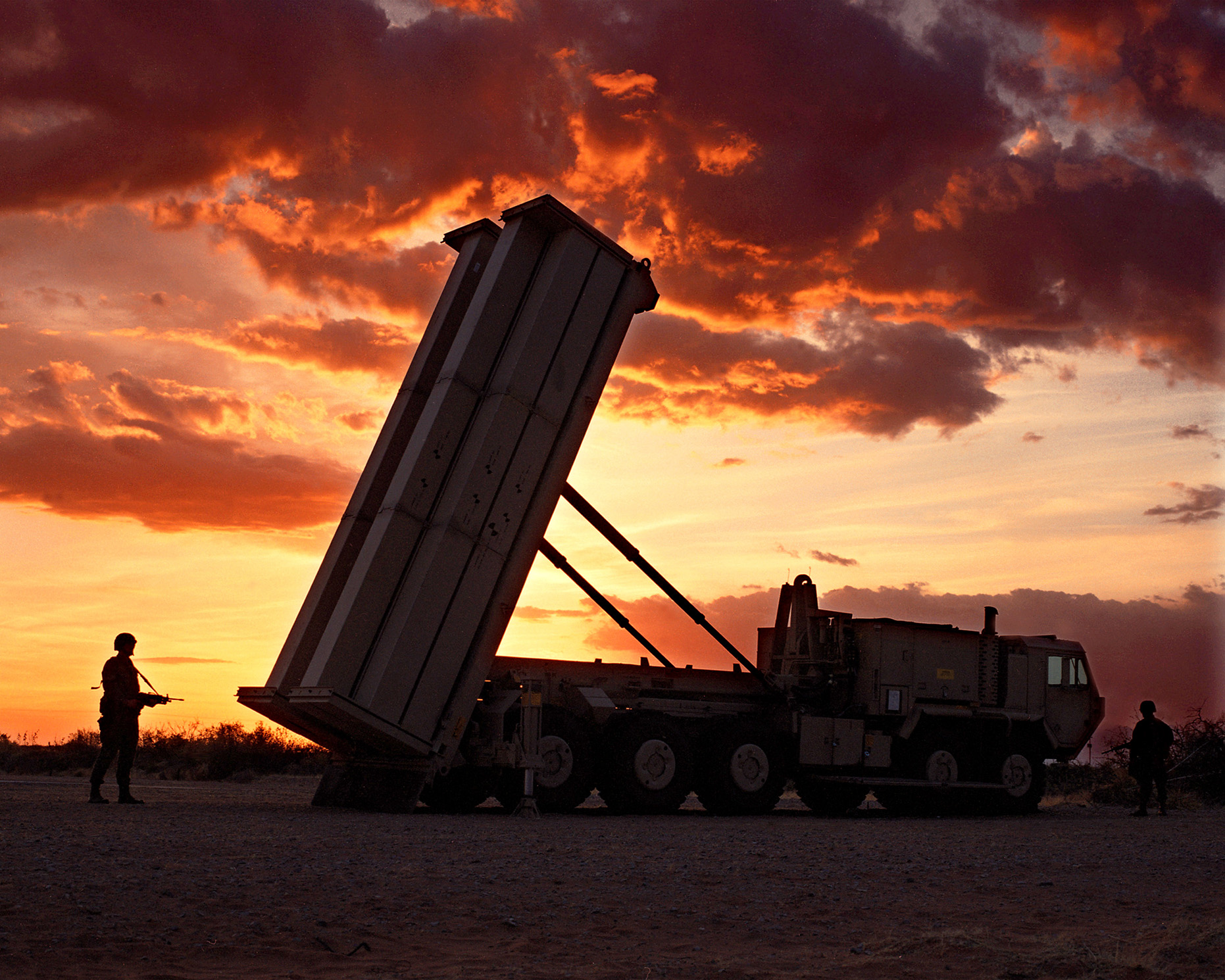
Otherwise, we risk using up vital weapons that could be needed in an emergency to defend our bases and troops elsewhere. Consider these costs: The Patriot PAC-3 interceptor is around $4 million per missile. The Navy’s Standard Missile-2 and -6 cost about $2 million and $4 million each. The Standard Missile-3 costs up to $28 million each. And Tomahawk cruise missiles run about $1.3 million each.
The production lead time for these weapons stretches to two or three years, meaning it could take half a decade or more to replenish each arsenal. And these costs don’t account for the human toll on our service members or the operational costs of every warship and plane, from parts to fuel to supplies and maintenance. What happens if a new emergency arises and those weapons platforms could also be needed elsewhere?
Subscribe Today
Get daily emails in your inbox
According to a 2023 CSIS report and a 2024 Heritage Foundation report, U.S. munitions stockpiles across several critical categories were already well short of what a major conflict would require. That should be cause for alarm.
China, Russia, and North Korea remain deterred because they judge aggression against the U.S. and our allies as too costly. This deterrence holds because it is credibly backed up by our arsenal. But you can bet they are counting how much of our munitions stockpile is being used up. What if they decide our redlines don’t mean much if our high-tech weapons have no ammunition to shoot?
Any sober Iran policy should be balanced with the need to preserve the arsenal needed to deter China, Russia, and North Korea. A prolonged war with Iran hollows out that strength precisely when those countries are watching for weakness. The administration should weigh carefully the risks of an extended conflict. The costs of getting this wrong will likely have reverberations beyond the Middle East.