America’s Lost Diplomatic Strength
Doing everything by war is in fact difficult, expensive, and unsustainable.

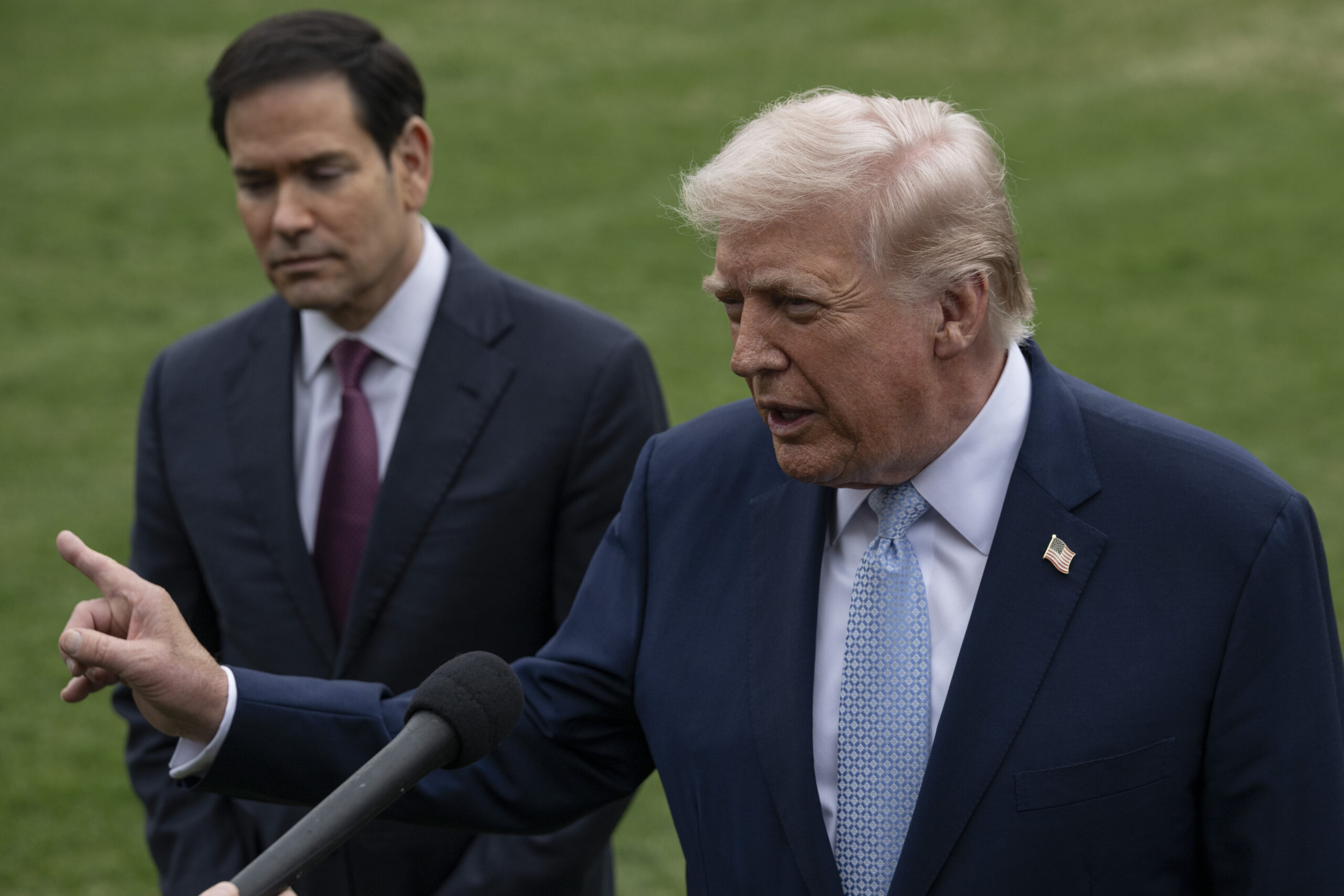
President Donald Trump is making big noises about calling off the Iran War. Good. As the local TV warlord Pete Hegseth would have it, we’ve made a complete mess of the place; you can watch it in the official Department of Defense X account, where footage of explosions has been intercut with clips from movies and videogames in what is the new historical standard for tastelessness. And now it looks like we’re offering the Iranians something like what was under consideration before the bombs started falling. Great success! Fire up the luxury jets! Get J.D. Vance out to Islamabad, now!
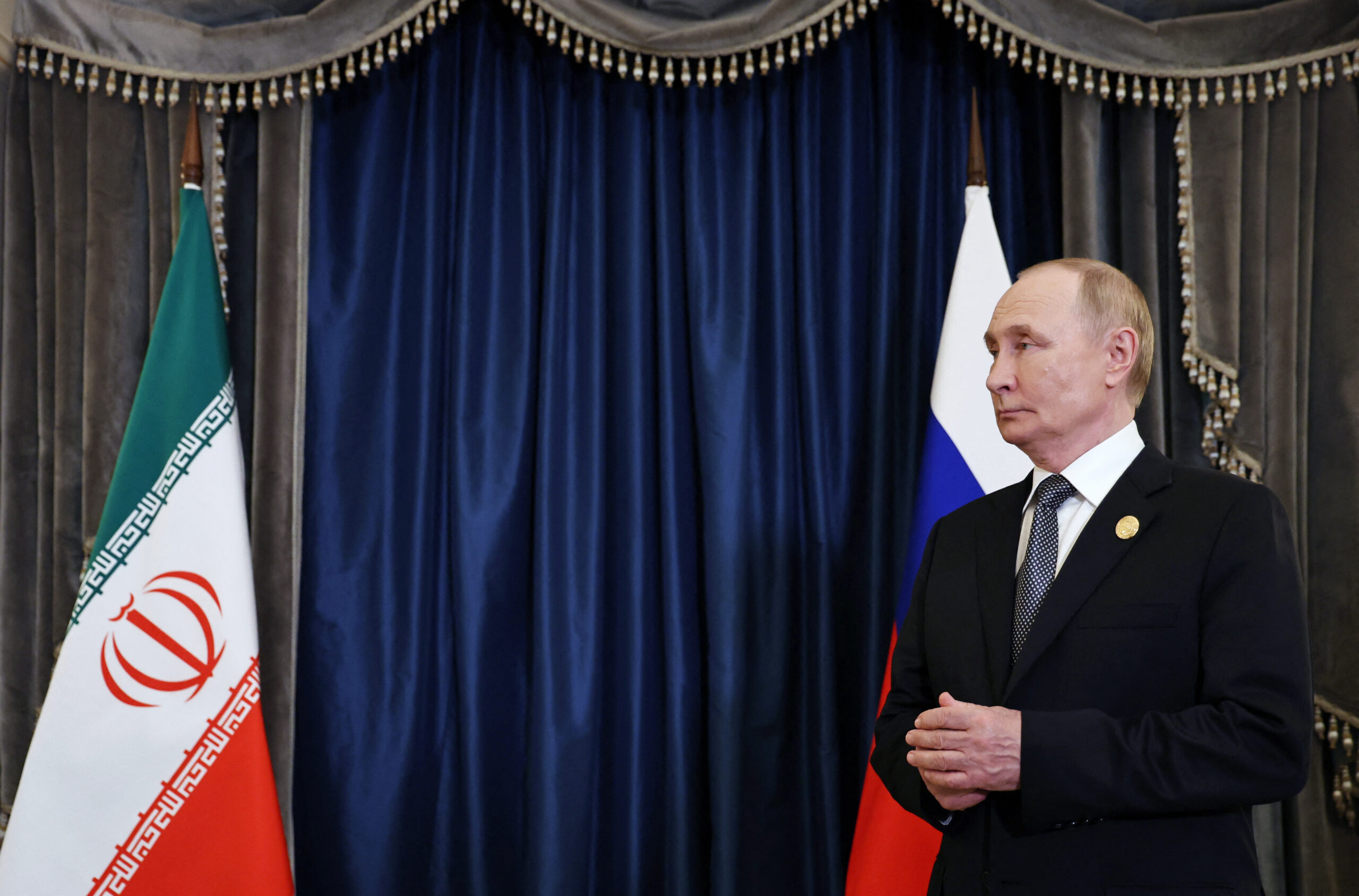
The problem is that it’s difficult to really put your heart into believing the gang at 1600 Penn. The Iranians are denying that any direct negotiations are taking place, and Washington’s latest great white hope, Iran’s Speaker of the Parliament Mohammed Bagher Ghalibaf, has said that the announcements to that effect are an effort to settle the stomachs of Western markets. (More than one observer has noted that the pause on Trump’s ultimatum about striking Iranian energy infrastructure is set to expire right after markets close Friday.) It is also worth mentioning that the last two rounds of negotiations with Iran have been cover for military buildups preceding attacks—and, lo! some thousands of U.S. ground troops are in transit to the Persian Gulf region at this very moment.
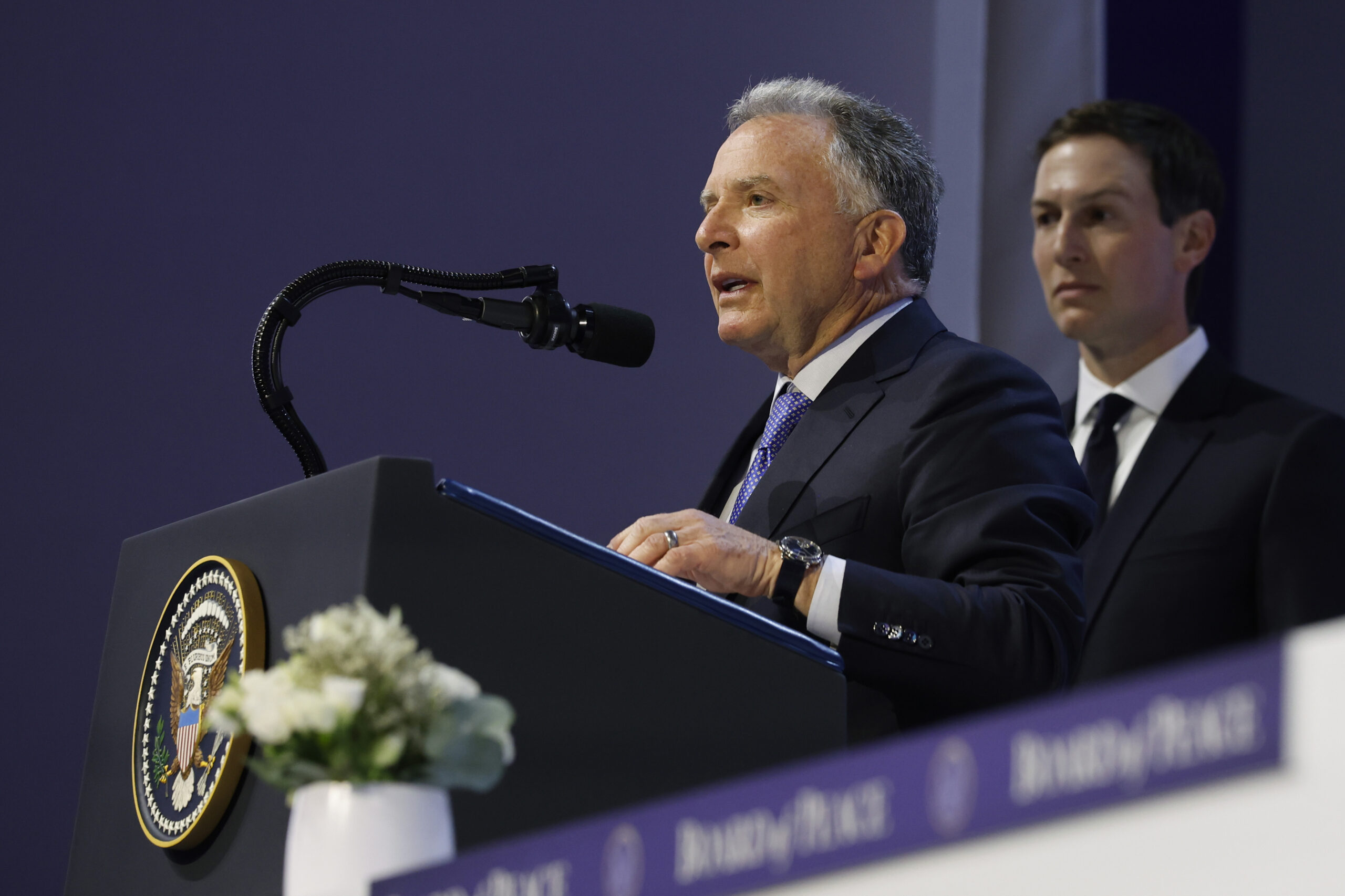
No wonder the Iranians are suspicious and have said they will not entertain overtures from the White House just yet. Vance will have to cool his heels at Observatory Circle for a bit, maybe put out some more leaks about how he actually had reservations about the war even as he publicly calls for internal opponents of it to resign from the administration. (Has anyone you’ve ever seen in politics been so thoroughly dog-walked as J.D. Vance? Make a high-profile conversion to Catholicism and be forced to defend abortion pills on the TV, embrace a more restrained foreign policy and be forced to defend the most mindlessly destructive war, if not in history, certainly in recent memory. It’s so painful to consider that you almost hope he doesn’t actually believe any of it.)
There is little doubt that the United States can continue to dominate the field of battle. This has in fact been the case in every conflict America has fought since the Korean War. But this is a bit different from “total victory.” The question is at what cost for what benefit; put in the words of pointy-headed political scientists, whether the political ends are served by the means of military action. The fact is that it will be very expensive and very painful to stop the Iranians, who do not seem anywhere close to state collapse at the moment, from lobbing projectiles at regional targets—Scud-hunting is a less viable technique in the drone era—and doing so will exact a cost from American readiness in other theaters and from global economic activity. A recent congressional study found that the war so far has exhausted a third of our THAAD interceptor stockpile; the knock-on effects of constricted oil and gas supplies are already being felt in manufacturing and agriculture.
The hysterical war hawks at the Wall Street Journal editorial board and among my remaining neoconservative friends calling this war America’s “Suez moment” are in some sense correct. The Suez conflict was a strategic misstep that provoked a crisis—that is, the British and the French picked a fight that was forbiddingly difficult to win outright. This is starting to look familiar. But the sane argument should be that the war should not have been chosen, not that the gamblers should keep putting chips on red. The United States must learn that it cannot in fact rule the world purely by force. This is not an articulation of particular weakness; this is an articulation of physical reality. War is a tool for achieving political ends; diplomacy is also a tool.
Subscribe Today
Get daily emails in your inbox
But our diplomatic strength is looking pretty shabby at the moment. When you blow people up without ceremony in the middle of negotiations, it reduces your credibility. (In this genre also should be the Venezuela raid, which did not in fact secure any material concessions that were not on the negotiating table, and the Ukrainian strikes on the Russian strategic bomber fleet in the middle of American–Russian meetings.) You will have to do more by force, because you can no longer do it without force; when you do things by force, people have a tendency to fight back. This becomes a vicious cycle of ever-greater military extension.
Nor does there seem to be much will to revive American diplomacy. I am not a vindictive man, so I will not rub my critics’ noses in the fact that I was very, very right about how the Venezuela caper would result in harmful distortions to American politics and our way of making war and peace. Once the executive discovers it can start using military force without any kind of deliberative checks, well, it looks an awful lot like it will do so whenever the opportunity arises. Those checks are there for reasons of prudence as well as principle; they are a damper on rash decisions, not merely a concession to threadbare ideas of self-government and constitutionality.
Can American diplomatic credibility be restored? Difficult to say. But something will have to give.