American Sanctions Didn’t Improve Eritrea’s Brutal Government
The dictator Isaias Afwerki wants better relations with Washington.

Eritrea’s dictator, Isaias Afwerki, hopes for reconciliation with Washington. The northeastern African state, sometimes called the North Korea of Africa, is one of the world’s most reclusive, impoverished, and repressive states. However, its leader apparently hopes for better times.
No doubt, Asmara needs financial support, given its disastrous dirigiste policies and Eritrea’s forbidding economic conditions. According to Bertelsmann Stiftung: “Eritrea remains one of the world’s poorest countries, and poverty is endemic. … the poverty rate is very high, and most Eritreans rely on support from relatives in the diaspora to survive. Consequently, the majority of the population is structurally excluded from opportunities to earn a decent living, leading to a continuous mass exodus.”
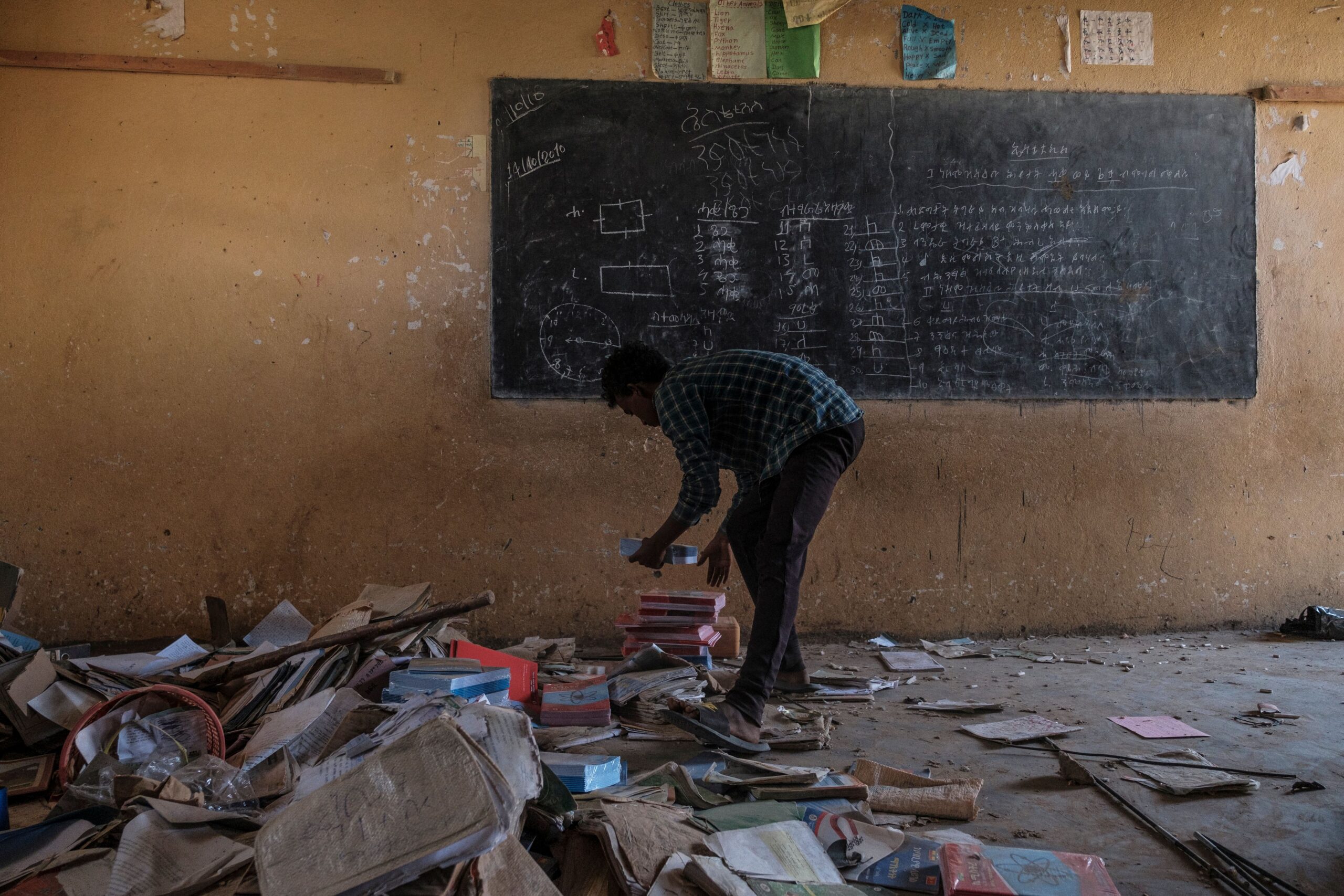
Isaias may also hope for military assistance, or at least Washington’s willingness to warn neighboring Ethiopia against attempting to reacquire a port and coastline and perhaps even force regime change. Eritrea emerged as an independent country only after three decades of armed struggle and remains entangled in Addis Ababa’s affairs. Eritrean forces currently occupy areas of Tigray, an Ethiopian region recently at war with both its national government and Asmara. During the conflict, Eritrea’s military was accused of civilian massacres and sexual enslavement. It continues to pillage and otherwise abuse the local population.
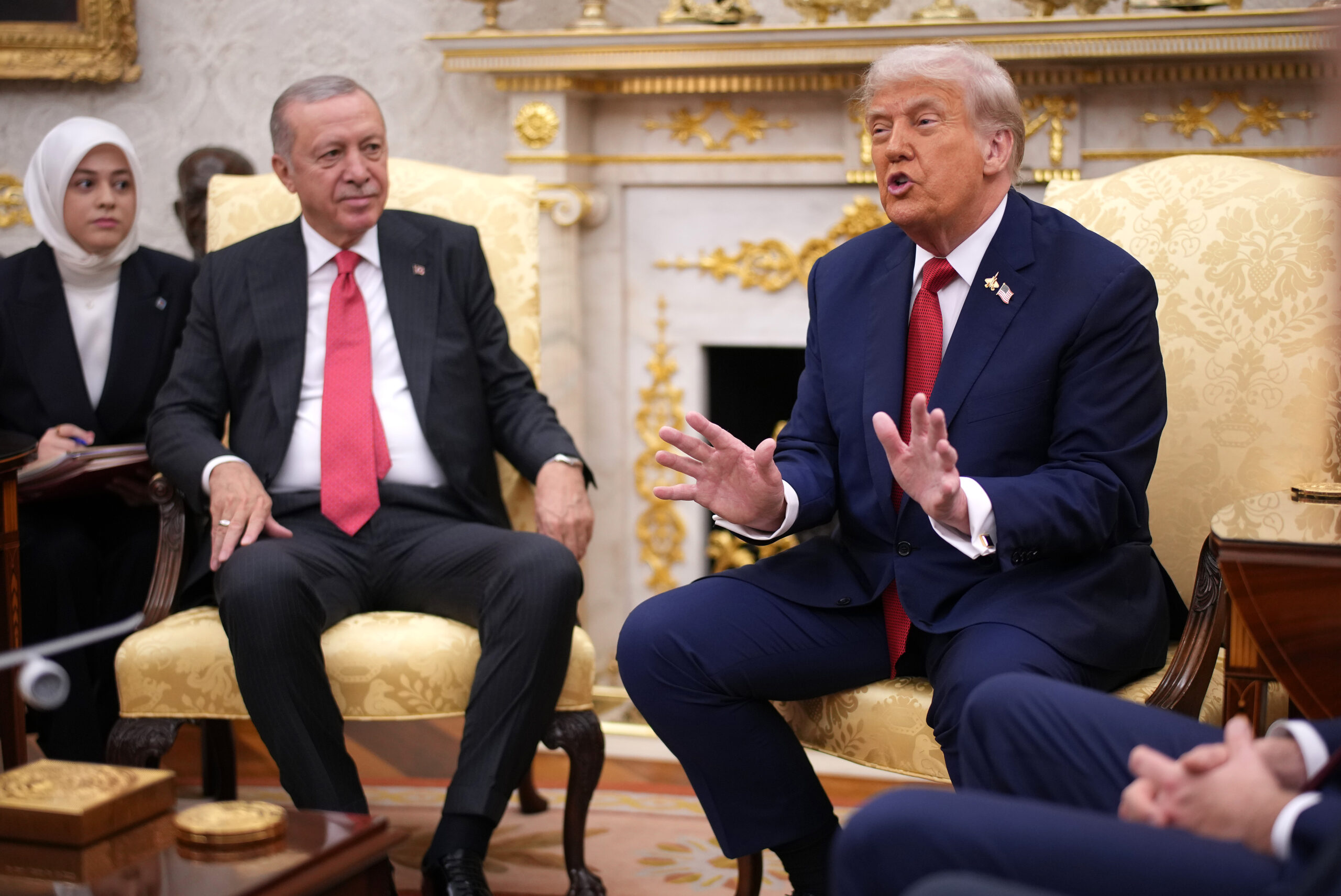
Nevertheless, the Trump administration appears receptive to rapprochement. “Donald Trump’s top Africa adviser is reported to have met the dictator in late 2025,” reported The Economist. “Marco Rubio, America’s secretary of state, has talked of a ‘new era of US–Eritrea relations.’ Much chatter suggests America will soon lift the sanctions it imposed five years ago, perhaps opening the way for Mr. Isaias’s wider rehabilitation.”
Washington would gain little economic advantage from such an opening, since Isaias has shown no interest in serious and sustained policy reform. More likely, the administration hopes to reduce conflict in an important region and gain local assistance in any renewed conflict with Yemen’s Houthis, who could again seek to shut down Red Sea shipping. Washington might also be seeking greater access to Eritrea’s abundant mineral deposits, an industry currently dominated by China.
Critics complain that Asmara has done nothing to warrant what would amount to a reward. However, that is the wrong standard for lifting sanctions. Greater engagement deserves a serious look because current policy has failed. Sanctions imposed during the conflict with Tigray neither changed Eritrea’s international course nor moderated Isaias’s tyrannical rule. Indeed, Eritreans remain desperate to escape what amounts to a national prison. The Economist reported:
When Eritrea’s national football [soccer] team returned home from South Africa in April, seven of its players did not. It was not the first time. Plenty of the 3.5m or so people living in the reclusive dictatorship on the Red Sea would like to escape the indefinite ‘national service’ (essentially, forced labor for the state) and the absence of rights and freedoms enforced by the regime.
No panacea is at hand. However, the administration should incorporate concern for Eritrea’s people, promoting greater protection for their liberties and well-being, in any policy change. Asmara languishes among the world’s most repressive governments, alongside those of North Korea, Turkmenistan, Burma/Myanmar, Equatorial Guinea, and South Sudan, according to the latest Freedom House rankings. In May, Mohamed Abdelsalam Babiker, the UN’s special rapporteur for Eritrea, issued a harsh assessment, decrying possible “crimes against humanity.”
The Trump State Department has highlighted credible reports of major human rights abuses, including
disappearances; torture or cruel, inhuman, or degrading treatment or punishment; arbitrary arrest or detention; transnational repression against individuals in another country; serious abuses in a conflict; serious restrictions on freedom of expression and media freedom; restrictions of religious freedom; trafficking in persons, including forced labor; prohibiting independent trade unions and systematic restrictions on workers’ freedom of association; and significant presence of any of the worst forms of child labor.
Particularly brutal has been Asmara’s attack on those who believe in more than politics. According to the United States Commission on International Religious Freedom, “religious freedom conditions in Eritrea remained extremely poor. The government continued to systematically persecute individuals based on their religious beliefs.” The Eritrean government, the report continues, has detained members of religious communities in abysmal conditions, subjecting them to “sexual violence and physical abuse such as electrocution, exposure, waterboarding, hanging, noise torture, and denial of medical treatment, any of which can result in death.” The regime “also coerced detainees to renounce their religious beliefs and banned praying aloud, singing, preaching, and possessing religious books.”
Subscribe Today
Get daily emails in your inbox
USCIRF concluded that religious persecution is “systematic, ongoing, and egregious,” with all faith groups at risk. The Commission noted, “Government authorities targeted specific communities, including Baptists, Pentecostals, and evangelical Christians, for persecution and arrest.” Babiker has explained that Muslim communities also “continue to face deep-rooted structural repression,” including the closure of religious institutions and the seizure of property.
So, what to do about Eritrea, which has gained strategic importance even as its domestic practices have deteriorated? Washington’s ability to influence the internal politics of other nations will always be limited, but engagement might work better than isolation at improving the Eritrean government’s behavior.
President Trump deserves credit for reconsidering high-minded, apparently well-intentioned policies that have evidently failed. Nevertheless, he should mix some idealism in with realism in addressing difficult cases like Eritrea. Even as he seeks to take advantage of Asmara’s geographic position, the president should remember the plight of the Eritrean people, denied the most basic of freedoms, including the rights to choose their government and live their faith.