




Heads Krugman Wins, Tails ‘Austerity’ Loses
Jobless rates haven’t borne out the Nobel-winning economist’s fears, but he still knows he’s right.
The Economics of Discrimination
A dentist can fire his sexy assistant, says Iowa’s Supreme Court—and the free market agrees.
Do Libertarians Have a Problem With Authority?
Not if they understand the difference between law and legislation
We Already Went Over the Fiscal Cliff
The U.S. government is insolvent, and Paul Krugman’s remedy means inflation.
No, Dr. Krugman, a Treasury Crash Would Be Bad For the Economy
We shouldn’t be reassured that our prosperity’s backstop is a printing press.
Hurricanes Are Nature’s Keynesianism
Why catastrophic weather doesn’t put idle resources to work and make us richer.
Does Government Debt Burden Our Grandkids?
Explaining the fallacy of ‘we owe it to ourselves.’
Spending Isn’t Production
Economic growth depends on more than just increasing demand.
QE Forever
If limited money printing didn’t salvage the economy, doing it again without limits won’t either.
The Myth of British Austerity
The cuts Paul Krugman thinks caused a double-dip recession don’t exist.
How Draconian Is the Ryan Plan?
A balanced budget in 27 years isn’t conservative, let alone ‘anarchist-libertarian.’
Insurance Refunds at Gunpoint
The unintended consequences of dictating health-insurance administrative costs
You Get What You Give?
Setting Paul Krugman straight about marginal productivity and “Going Galt.”
The Myth of Wartime Prosperity
World War II didn’t improve the average American’s standard of living.
The Follies of the Modern Greenbacker Movement
Handing over the printing press to politicians won’t solve anything.
Business, Government, and Cheap Debt
Lawrence Summers is wrong: now is not the time for Uncle Sam to borrow

Statism Means Culture War
From gay marriage to education, state intervention pits citizen against citizen.

Who Needs War for Oil?
American military power does not lead to cheap, subsidized fuel — quite the opposite.
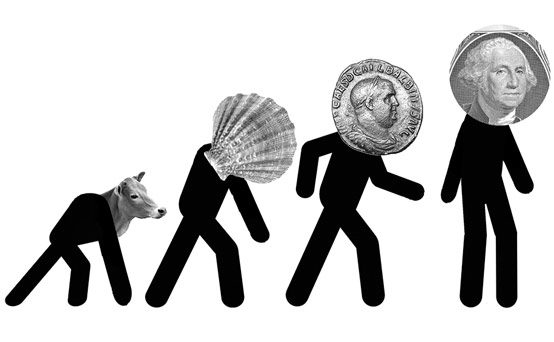
Origin of the Specie
Debt: The First 5,000 Years, David Graeber, Melville House, 534 pages