Following the capture of President Nicolás Maduro in Venezuela, Iran and Cuba seem to be the next possible countries on the list. And, whether they be regime changes, as is hoped for in Cuba, or decapitation operations, as was undertaken in Venezuela, there may be even more.
Last week, Donald Trump said the U.S. has “an armada” heading toward Iran. “We have a lot of ships going that direction, just in case… I'd rather not see anything happen, but we're watching them very closely.”
Watching closely for what? Trump has said he would order a second round of strikes if Iran restarted its civilian nuclear program. He has said he would order strikes if they continue with their ballistic missile program.
But, more ominously, on January 13, Trump told Iran’s protestors not only to “KEEP PROTESTING,” but to “TAKE OVER YOUR INSTITUTIONS!!!” Four days later, he said it was “time to look for new leadership in Iran.”
And the looming strike on Iran may be more dramatic than the previous one. In requesting military options, “Trump has repeatedly used the word ‘decisive’” when defining his request. According to The Wall Street Journal, that has led to a menu of options being presented to Trump, “including some that would seek to push the regime out of power.”
On January 24, U.S. Central Command chief General Brad Cooper arrived in Israel, where he met with senior Israeli defense officials to coordinate in case the U.S. decides to strike Iran.
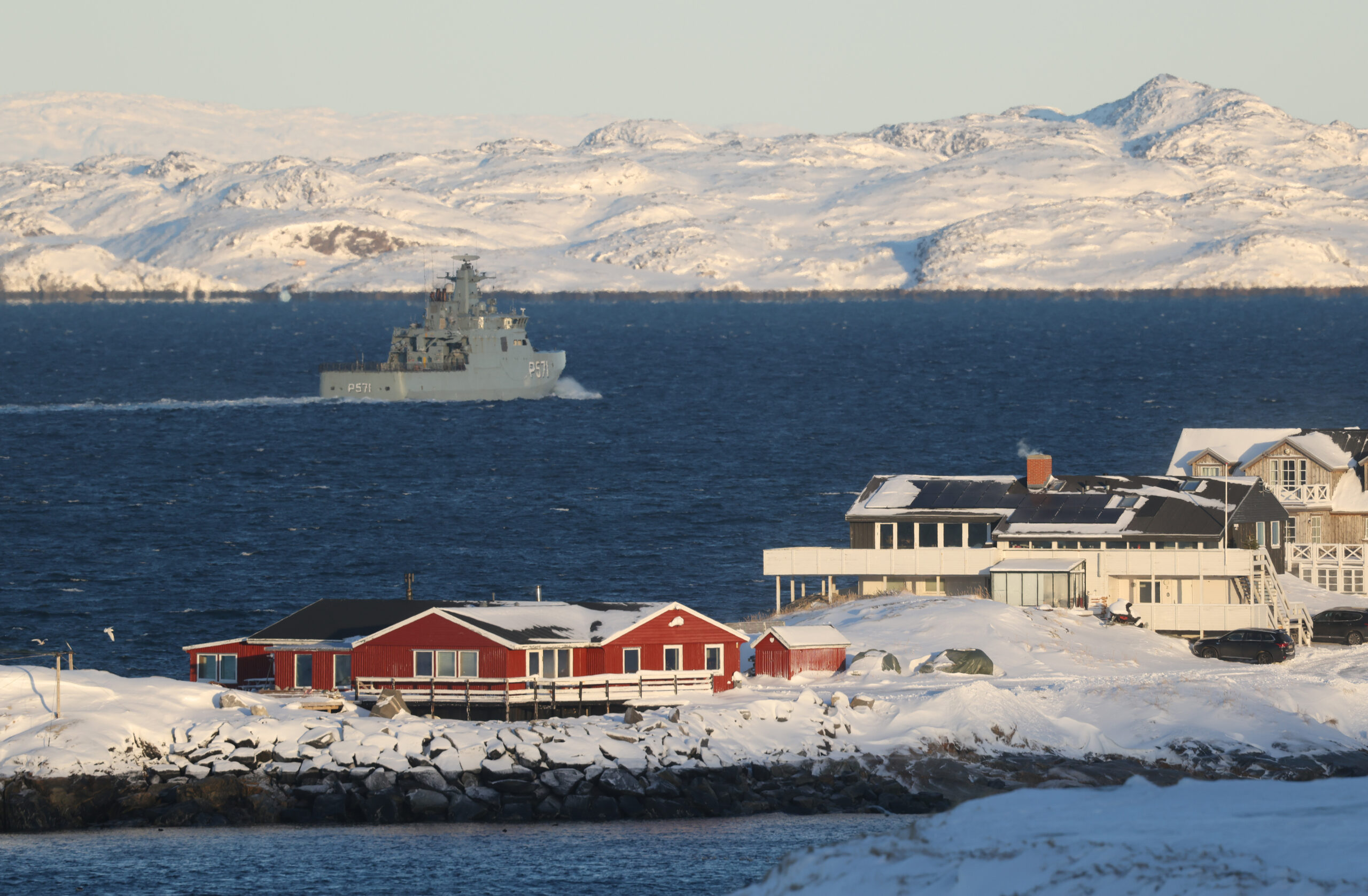
Meanwhile, the aircraft carrier USS Abraham Lincoln has changed course for the Middle East. Its strike group includes destroyers equipped with Tomahawk cruise missiles. It also brings air defenses against ballistic and cruise missiles. In the past weeks, a squadron of F-15s also deployed to the region, bringing the number to about 35.
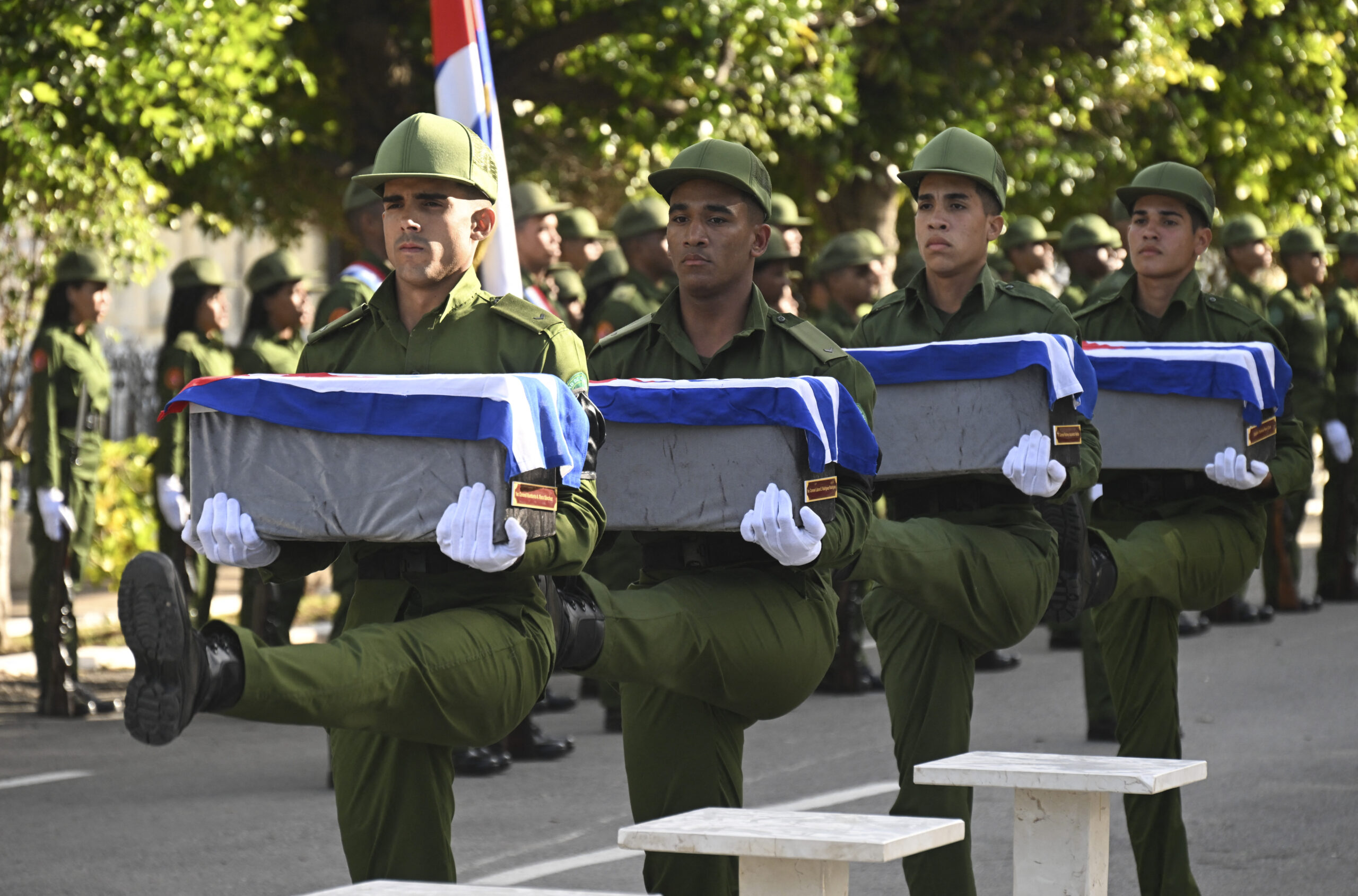
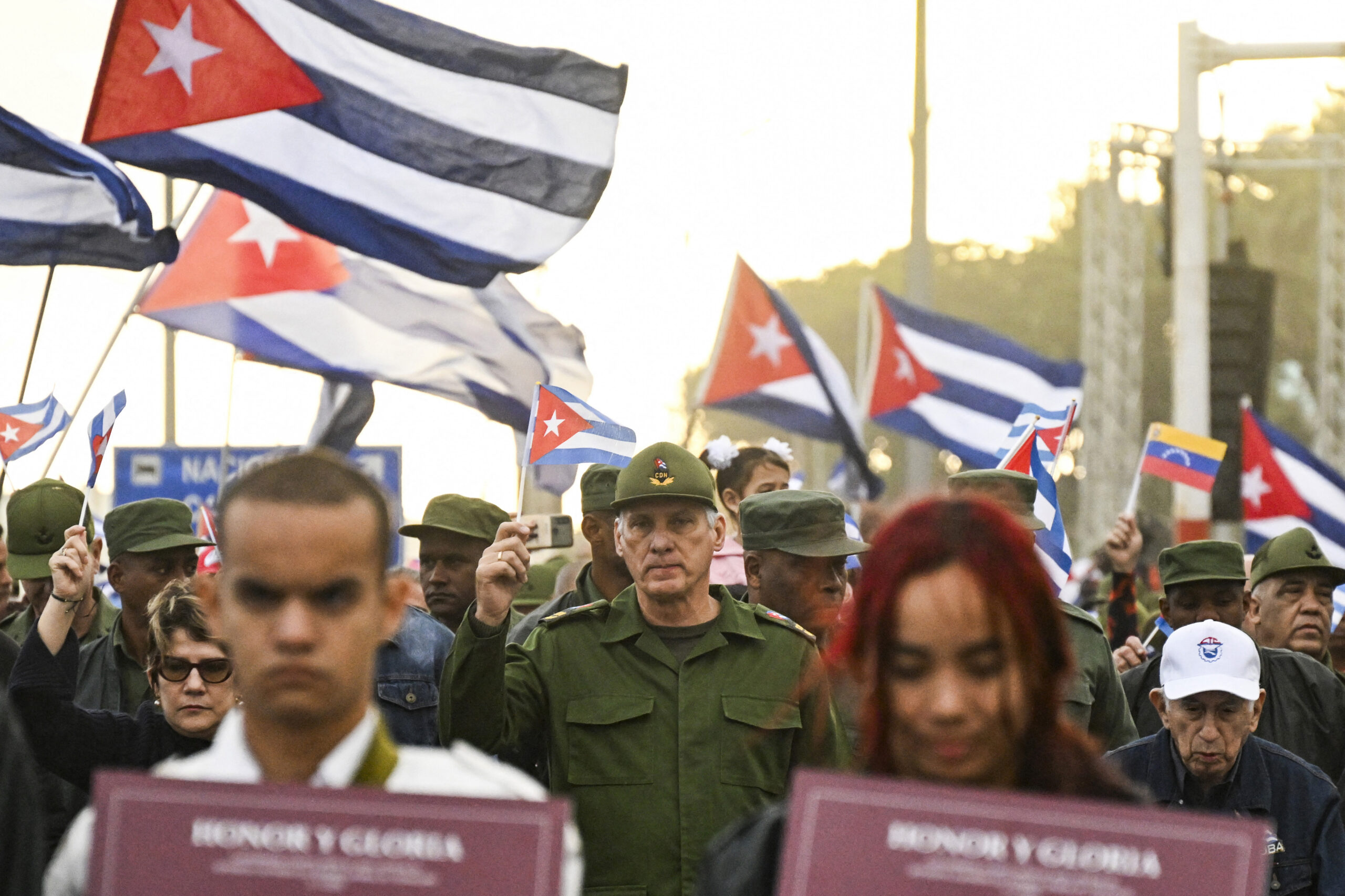
The U.S. has also progressed in its plans for Cuba. Trump has forecast that “Cuba is gonna be something we’ll end up talking about,” and Secretary of State Marco Rubio has warned that “if I lived in Havana and I was in the government, I’d be concerned at least, a little bit.”
According to reporting by The Wall Street Journal, the Trump administration has set a target of no later than the end of the year for regime change in Cuba. Lacking a “concrete plan,” they are seeking a Cuban government insider who can help execute the regime change. The Journal reports that “Trump believes that ending the Castro era would cement his legacy” and that it has “long been a stated goal for Secretary of State Marco Rubio.” Officials say that “Trump and his inner circle… see toppling Cuba’s Communist regime as the defining test of his national-security strategy to remake the hemisphere.”
With the U.S. “taking all” Venezuela’s oil, Trump declared that "THERE WILL BE NO MORE OIL OR MONEY GOING TO CUBA – ZERO! I strongly suggest they make a deal, BEFORE IT IS TOO LATE."
But that’s not all. In 2025, Mexico provided Cuba with more oil than Venezuela did. Mexico is under intense pressure from Washington. Trump has warned that “Mexico has to get their act together, because [drugs are] pouring through Mexico, and we’re going to have to do something.” He has questioned Mexico’s President Claudia Sheinbaum about oil shipments to Cuba. And, fearing American strikes on Mexican territory, her government is reportedly reviewing its policy of sending oil to Cuba. It is not clear what their decision will be.
An American chokehold on Cuban oil could go even further than Venezuela and Mexico. Members of the Trump administration, backed by Rubio, have advocated for “a total blockade on oil imports” to Cuba to collapse the economy and push out the government.
The U.S. also has a couple of elections and political appointments in its sights. While not regime change or even decapitation operations, these moves would influence regime choice.
Subscribe Today
Get daily emails in your inbox
In Haiti, after a majority of the Presidential Transition Council signed a resolution to replace the prime minister—a decision that the Organization of American States says “rest[s] with Haitian leadership”—the U.S. Embassy in Haiti posted that it considered that resolution “to be illegal.” The Embassy said “the corrupt politicians” who signed the resolution “support violent gangs and sow terror in the country” and vowed that the U.S. would “ensure they pay the ultimate price.” Deputy Secretary of State Christopher Landau added, “The U.S. would consider anyone supporting such a disruptive step favoring the gangs to be acting contrary to the interests of the United States, the region, and the Haitian people and will act accordingly.”
The U.S. will also act accordingly in Iraq, where they are using the same playbook as in Venezuela and Cuba. The recent parliamentary election in Iraq led to American threats that, if Iran-allied groups are included in the new government, the U.S. would block Iraq’s access to its own oil revenue.
The recent threats toward Iran and Cuba, the movement of military force into Iran’s region, and the meddling in Haiti and Iraq, suggest that Venezuela may not be the end of operations to topple or decapitate regimes during Trump’s second term. And next in line could be Iran and Cuba.