Are America’s Suburbs to Blame for Everything?
One Utah mom says cookie-cutter suburbs are causing society to crumble.

Can social problems like male loneliness, declining fertility rates, and teen screen addiction all be traced back to a single culprit—one that seems not only normal, but even comfortable? That culprit, according to one Utah mom, is the contemporary American suburb, which traps 175 million Americans in a cycle of car dependence and corporate slavery.
Diane Tuft, better known by her pen name Diane Alisa, has been preaching this message since 2024, when she published her book A Love Letter to Suburbia: How to Restore the American Village. Tuft lives in Saratoga Springs, Utah, a town that she says is everything wrong with today’s suburbs. Nevertheless, the 29-year-old mother of three has found a way to integrate her extended family into her everyday life: by living in a multigenerational household, 12 people and three generations in all.
Tuft has almost 30,000 followers on her Instagram account @diane_alisa, where she posts videos about zoning, parenting, and her favorite word, walkability. As cities become increasingly childless, some pro-family developers are trying to tweak apartment designs to make them more baby-friendly. But by Tuft’s argument, such small changes won’t shift the culture unless they’re accompanied by a full return to a village lifestyle. Tuft spoke to The American Conservative about how she hopes to remake how Americans live, work, and play.
What is a village?
I use the word village because it’s a historical term, but I’m defining it as a mid-density, walkable, localized municipality. It’s a section of a city that has defined itself as a village and is [relatively] self-sufficient. It’s walkable. It’s interdependent, so there’s lots of local economy there, home economies. What makes it stand out from a suburb is that it actually functions. You are actually integrated into your own community’s industries. So that doesn’t mean that everybody has to own a bakery and a butchery, but that’s kind of the idea. You bring back these essential amenities into your own community again instead of outsourcing them to a commercial district or Walmart.
Would you describe where you live right now as a village, or would you say it’s more like a typical suburb?
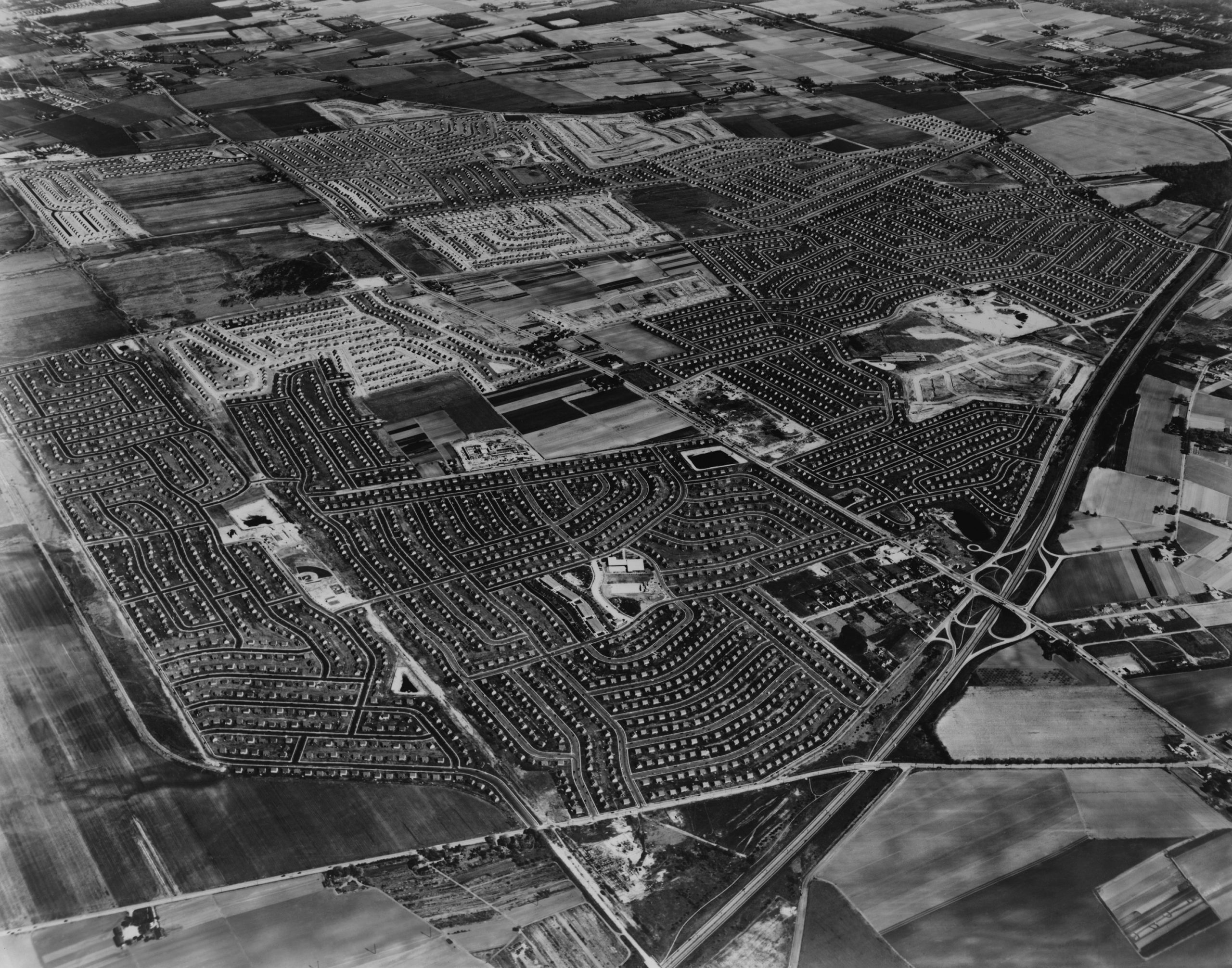
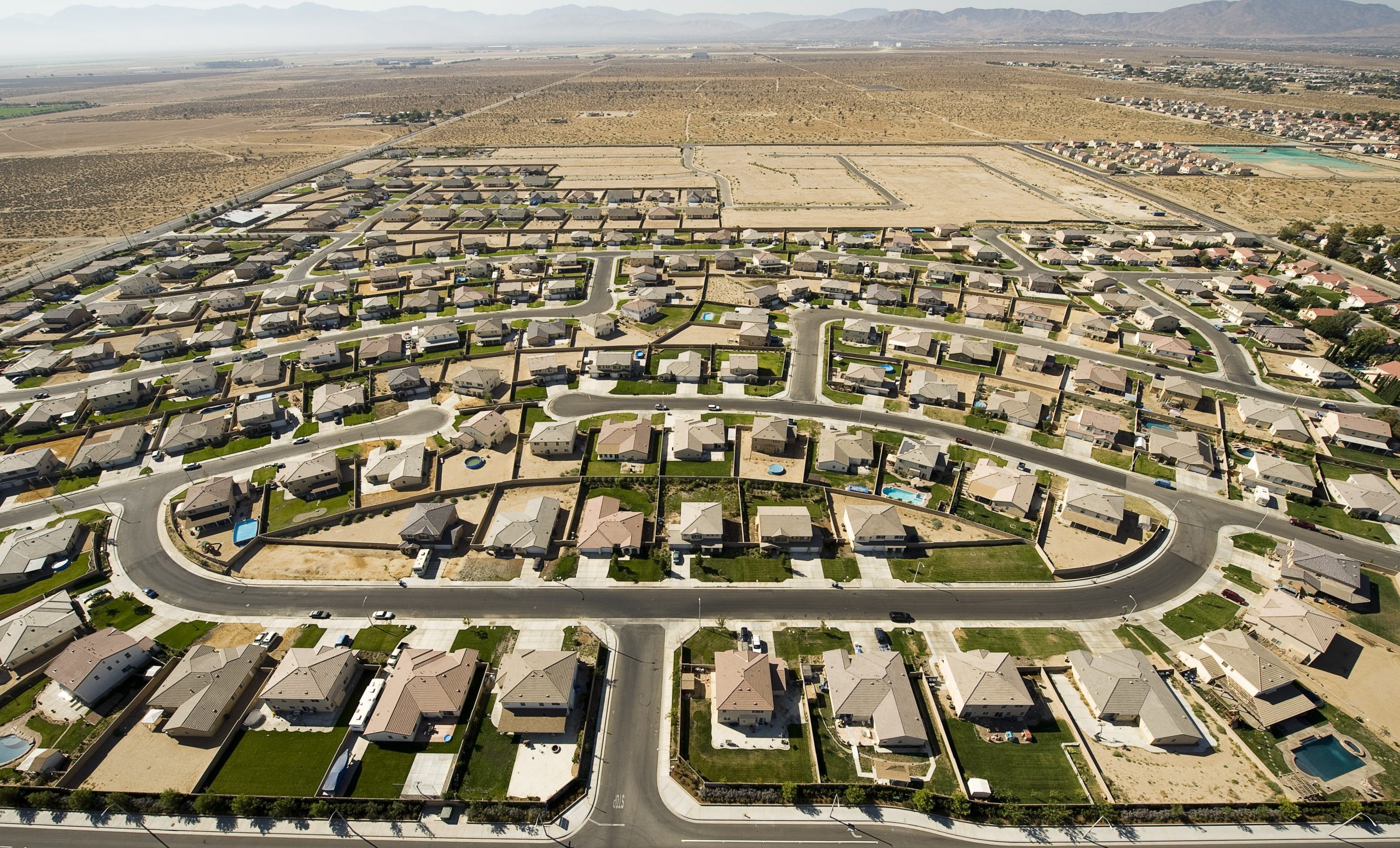
Saratoga Springs is very suburbanized. It used to be a farm town, and it hit a very heavy suburbanization in 2020 and really exploded with new development and new housing. It’s more sprawled than it ever was, and it has a lot of problems. Traffic is getting unbearable. People have bought homes that were half a million dollars, and now they’re putting freeways next to them. The suburban development is just always really problematic, and at some point gets itself stuck in a pickle the way that Saratoga has, where people can't get out, there's no more housing to build, and it ends up being really ugly and commercialized.
Can you describe your family’s living arrangements?
It’s my mother's home, the home we grew up in. We have carved out two apartments into the home downstairs. We use the home as if it’s ours. We all try to contribute to it being clean. We all spend a lot of time in the living area with each other. There’s just always somebody to talk to, always somebody to help, always somebody to help you. And then we split up labor in the house. I only make dinner twice a week. Everybody only makes dinner twice a week, so that stuff is offloaded. I can’t honestly imagine going back to doing dinner every day.
The biggest thing for anybody who wants to do what I’m doing is that you have to have a leader in the home. It doesn’t really matter who it is, but they need to be managing the home. If something doesn’t get done, that’s their job to make sure it gets done. Not that they have to do it, but that they're following through with people and making sure that everybody’s being taken care of. My mom wanted to do it. She became the leader of the home, and she decided what chores needed to be done.
It’s just been really wonderful. It’d be really hard for me to go back to a single-family home. I originally didn’t think it was even possible for me to do this. I just thought we were too different. And it's really just about knowing how to do it. I just think it needs to be taught back into the culture. I think a lot of families could actually live with each other if we could just figure it out again. So I actually think it’s a skill, not a personality issue. I wish people knew that it’s possible. The benefits that come with people also come with the downfalls of people, right? So just try to mitigate the downfalls as much as possible and have people in your life that really matter to you.
I know a big thing you talk about is car dependence, and for myself and a lot of Americans, that just doesn’t occur to us. That’s how our parents were raised, and that's how we were raised. Can you talk a little bit about why you think that is something that should matter to people?
Americans don’t really know what car dependence is. They’re kind of a fish in dirty water, and they just think that this is how the world works. The reason why you feel free with a car is because [suburban life is] only built for a car. It’s not that the car is actually more effective in getting you places. It’s just that that’s the only design. It’s really difficult to get around without a car, and the reason why that matters is because it’s actually an economic system that starts pulling money from your local economies and just giving it to billionaires. If you only become a consumer, rather than an individual or a community member, that starts to impact your culture, that starts to impact the social fabric, it impacts whether or not you’re going to live next to your grandparents or your parents, or your grandchildren are going to be able to see you. It impacts literally everything about the way we think about the problems we're facing.
So car dependence is so much more than just the car. It affects the way that we think about men and women. It affects the way we view children. Everything revolves around car dependence because it’s our literal built environment. Everything is shaped by where we live, how we’re moving within that space.
The biggest thing for me, which I don’t think many urbanists have touched on, is that it greatly impacts mothers and children. The suburban experiment, the car dependence, they're two sides of a coin. They discriminate against people having children in many ways, one being that children aren’t a part of society anymore because they can't drive, they can only walk. So children struggle to grow up, they struggle to model adult behavior, they don't know where they’re supposed to be when they get to a certain point of adolescence. And at this point, they are spending a lot of time on social media. They’re bored. They don’t have a place to be, so they’re spending it on video games, social media, and, if they can afford it, extracurricular sporting events. But mostly these kids are just languid unless they have really intense parental help.
It’s one of the reasons why parents [say] it’s so expensive to raise a kid. It’s always been really confusing to me, because I’ve never thought that raising a kid was expensive, but if you have to overcome every element of your environment for them to even have a base foundation of competency and stimulation, then, yeah, it’s going to start getting more expensive as more kids are doing competitive baseball.
Kids aren’t spending time outside anymore. Parents are even spending money on that, trying to get them to just be outside in some capacity, and most people are just paying for that experience because their own neighborhoods are so lifeless.
I was living in a walkable community before I had children but left because it was so expensive! It feels like a really tough balance between lower cost of living and quality of life.
It’s so expensive. It is bewildering how little Americans understand this, but walkability is for the wealthy. And they think that it’s not. They think that the car is for the wealthy, but it’s actually for the impoverished. It’s a system that just destroys communities. And some communities don’t even survive. Lots of box stores moving into a community—that’s a symptom of car dependence. It means that the local economy is being weakened without walkability and that the big players can come in and say, Well, I heard you want a Walmart, I heard you want a Starbucks, I heard you want a McDonald’s, and just completely obliterate any type of local strength. And so the reason why these walkable places are so expensive is because they’re so rare. They just don’t exist in the United States. When people find them, they want to stay. And I don’t even think they really, truly understand the language of why they want to stay.
Americans who want their neighborhoods to become more like villages—what kinds of roadblocks do they face?
One of the biggest roadblocks is HOAs because they exist on their own without the city, and it’s a way for companies—developments—to tax the American people twice. They get very little out of their HOA. Whenever somebody is trying to expand a road, stop them from doing that.
You have HOAs, you have developers who are trying to create wider freeways, you have developers trying to create only single-family housing. I think the biggest thing is just the zoning. Right now you have to wheedle your way through the zoning, and I don’t know how, but it seems like wealthy individuals are able to change the zoning of areas. And so people are like, Oh, well, I can’t change the zoning of this place. And if there’s a will, there’s a way, is basically my response to this. People find ways to change the zoning to their own ends, and so it’s time for you to do the same. Take your power back. Fight for family-centric zoning. I actually have had two people so far since publishing get elected because they were talking about the American village, because they were talking about walkability, and people really want walkability, so have those discussions. Run for office. Talk to people about it. That’s how it’s going to change.
To what degree do people need to change their ideas of success? I hear a lot of people say a baby doesn’t need to come with a mortgage. Just because you’re starting your family doesn’t mean time is running out for you to find a single-family home. What’s your advice to a young couple who wants to have kids soon?
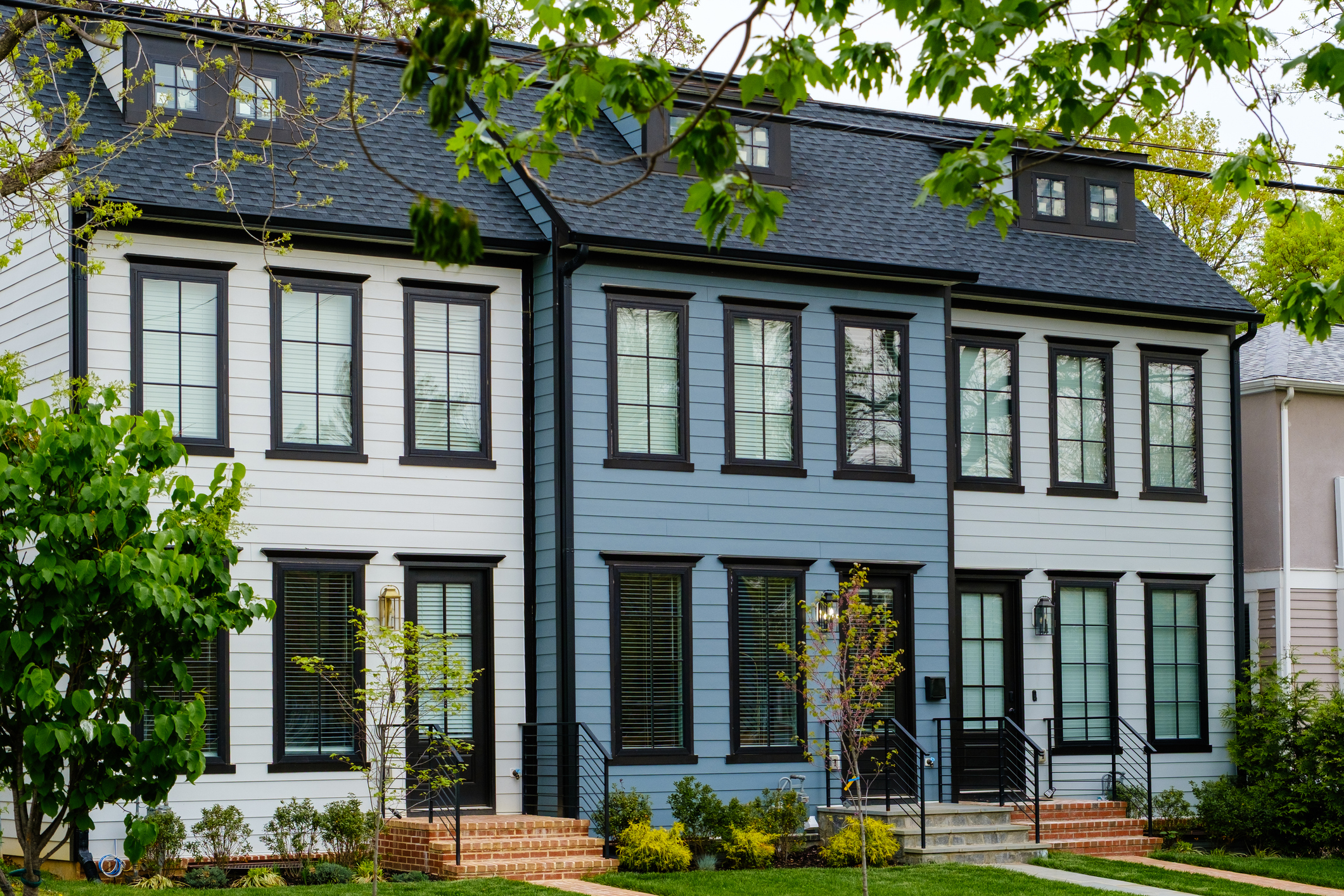
The single family house is really lame in comparison to having a multigenerational culture and being able to live near the people that you love. When you have a certain level of density, then you can live next to your mother-in-law. You can live with your sister, you can live with your best friend. You’re not necessarily all living in the same house, but you're adding units to these places. Instead of having a single family house, you have a courtyard space with four families in it that you love and planned it out with. Or you’re adding an accessory dwelling unit to your home so that your mother-in-law can be right next to you guys. These are the things that can bring meaning to people.
In terms of success, because we have this suburban ideal that’s been framed as the American dream, where we have to have this single family house and the dog and the white picket fence and the commute to work and the pension, that’s really in the American psyche. It's all about, What's the next job I can get that will pay us more money? I think we're kind of over that. We really just want quality of life, and we want fresh food, and we want to live in beautiful places, and we want to be near family, and we want to create instead of only consume.
And that's all possible in a village, because you might not be the wealthiest person in the village, but is the place as a whole beautiful? Is it safe? Do you like the people around you? Do you like your job? It's a more balanced view of spiritual and mental wholeness and just being okay with living in your means. And I just don't feel like we’re there right now because we're so unhappy, we're constantly being fed processed food and we have processed social interactions, in a way, because of the way that we consume social media. We’re making connections, but in the most unhealthy way possible. The jobs are just not enough to even buy a home anymore.
What are your bullet points for what people can do right now if they're wanting to improve their village or their community?
Subscribe Today
Get daily emails in your inbox
The first thing I like to tell people is to just start walking and biking places because that will show the problems that you’re facing immediately. It kind of makes the movement visible as well, because walking is stigmatized in car-centric infrastructure. It’s deliberately made to make you look like you're in poverty if you don’t have a car. You’re weird and radical.
The next thing is just sharing these ideas with your neighbors. It’s always good to talk to city councillors, talk to people not to expand roads, anything you can do to just kind of push open the envelope of, Well I want to I want a bakery in my neighborhood, and I want to be the baker. So how can I make this legal? How can I make it so that my family can create a duplex in this home? Don't hold off on having a family. I think we’re waiting way too long until things are fixed, but it’s actually parents and people who have these strong ties that get things done, because it’s urgent at that point. I have children and I want a better world for them. That’s my advice, just to make children a part of your story.
This interview has been edited and condensed for clarity.