Trump Risks It All on Regime Change Abroad
The president’s foreign policy gambles could destroy his political movement.
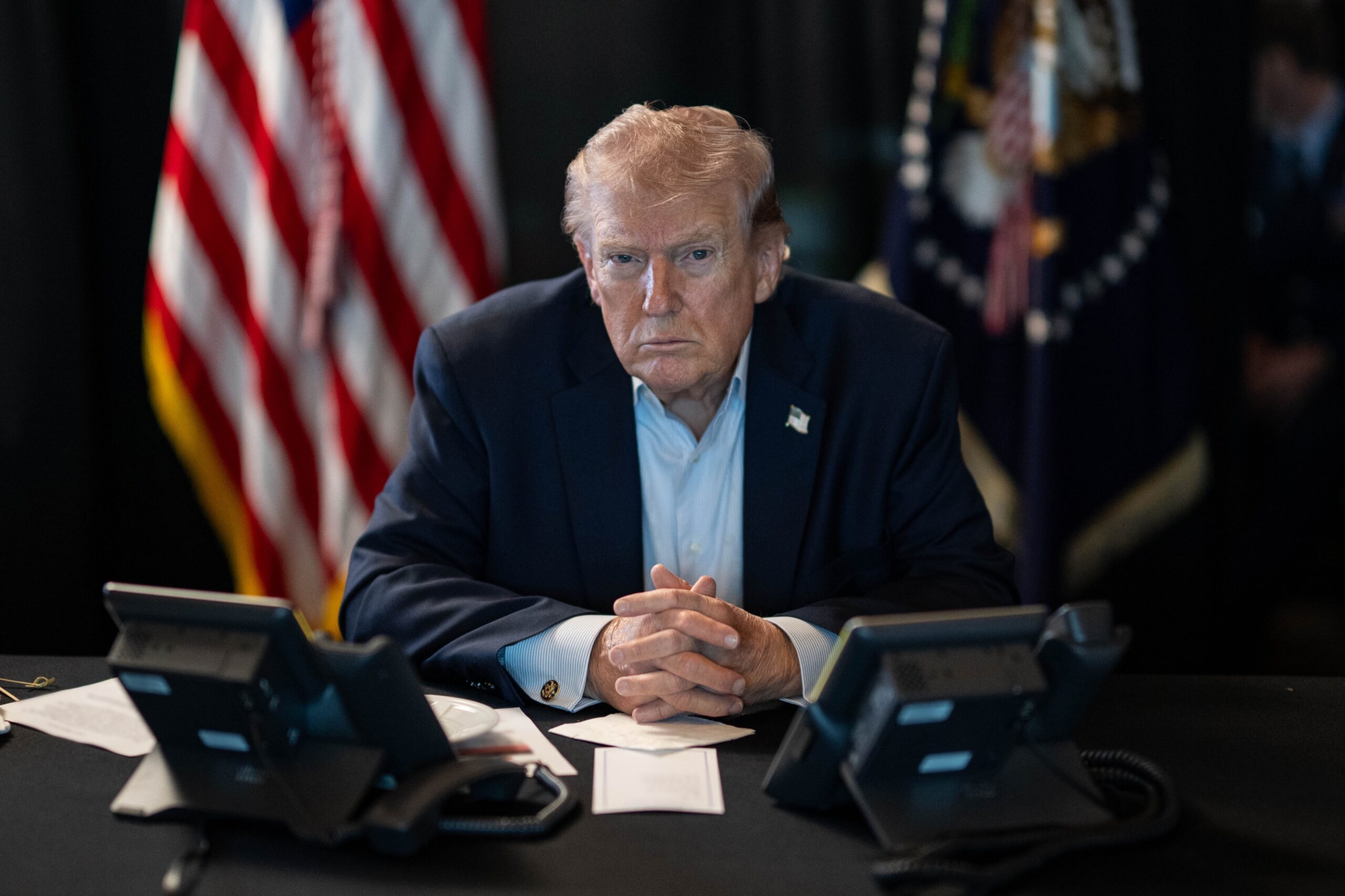
It is supremely ironic that President Donald Trump, who in 2016 gained a reputation as a staunch opponent of regime-change wars, is 10 years later placing a huge political bet on achieving success with multiple U.S. crusades of that nature. He has already launched regime-change military campaigns against Venezuela and Iran. Some comments by Trump indicate that he is contemplating a campaign to oust the entrenched communist regime in Cuba.
It’s a massive gamble for the president and the Republican Party. If Trump can carry off the strategy, and pro-U.S. successor governments replace repressive and hostile systems in all three countries, his historical legacy would be impressive in the eyes of many. Indeed, if clear successes emerge in the next few months, the GOP might even make major gains in the 2026 midterm congressional elections and even improve its long-term prospects.
A failure to achieve such transformational outcomes at low cost in American blood and treasure, though, would likely prove politically disastrous for Trump and his supporters. The early indicators are not especially encouraging for the administration’s strategy.
Venezuela has hardly undergone a free-market, democratic transformation. Washington merely replaced the principal leftist leader, President Nicolas Maduro, with his more cooperative vice president, Delcy Rodriguez, and some of her colleagues. Many conservatives who had backed Trump on other issues were unsatisfied with that outcome, and they continue to press Washington to install Nobel Peace Prize winner María Corina Machado and her free market activists instead. The president will be under growing pressure to comply. But that more activist course risks triggering new fighting and long-term resistance from currently compliant former Maduro supporters and functionaries. Consequently, the situation in Venezuela is very delicate and uncertain.
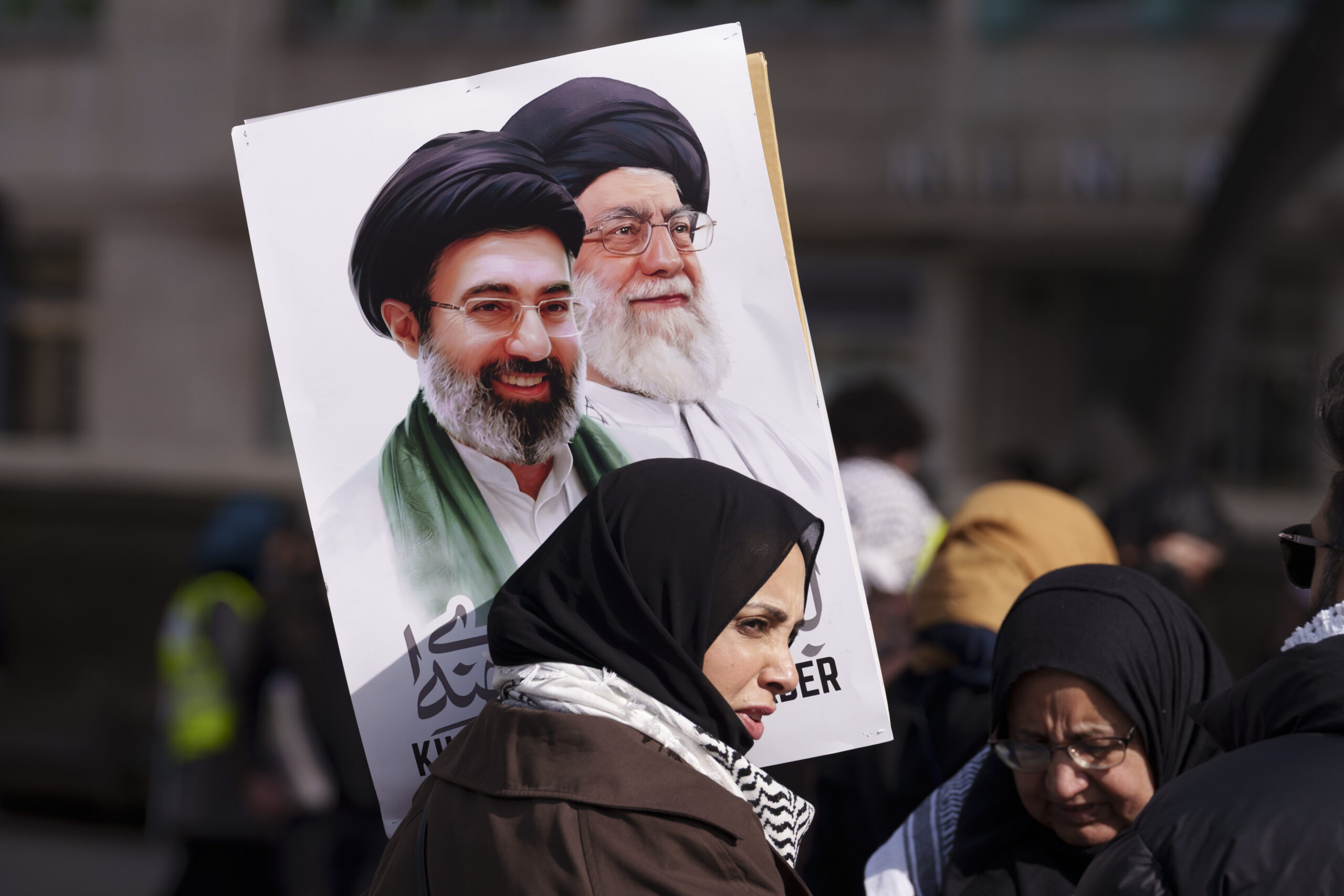
As for Iran, the political and military environment seems even more problematic. Unlike in Venezuela, the war’s opening decapitation strikes were meant to collapse the regime, but they failed. Despite growing domestic dissatisfaction with the country’s theocratic regime, the nature and strength of a secular opposition is unclear. Moreover, even discontented populations usually are not inclined to collaborate with a foreign attacker.
The regional dynamics are equally volatile. Trump apparently believes that the ongoing U.S.–Israeli offensive against Iran will not turn into another quagmire for the United States, the way similar ventures did in Afghanistan and Iraq. But early developments with respect to the Iran conflict are not especially encouraging. Iranian forces have launched successful attacks on Persian Gulf countries that are reliable allies of the United States and in some cases host U.S. military bases. Such attacks underscore to those governments the growing danger of maintaining security ties to Washington.
Iran has scored even more notable achievements by impeding the flow of commerce, especially oil tanker traffic, through the narrow Strait of Hormuz. Those disruptions already have adversely impacted global energy markets, causing crude oil prices to spike by more than 20 percent. If that situation continues, the war against Iran could trigger a global economic recession and predictable negative political consequences for the Trump administration and other incumbent governments.
The president has encountered another significant and unusual political problem. Previous U.S. military interventions all initially enjoyed widespread popular support. That pattern was true even in cases such as the wars in Vietnam, Afghanistan, and Iraq, all of which ultimately became pervasively unpopular. However, Trump’s new military initiatives do not even start out with the initial cushion of support. The intervention in Venezuela did not have solid public backing in the United States, and the new war in Iran already appears to be broadly unpopular. It is uncertain how the American electorate would react to an armed intervention to remove Cuba’s communist dictatorship, but polling data indicate that most members of the public do not seem favorable to U.S. involvement in regime-change wars anywhere.
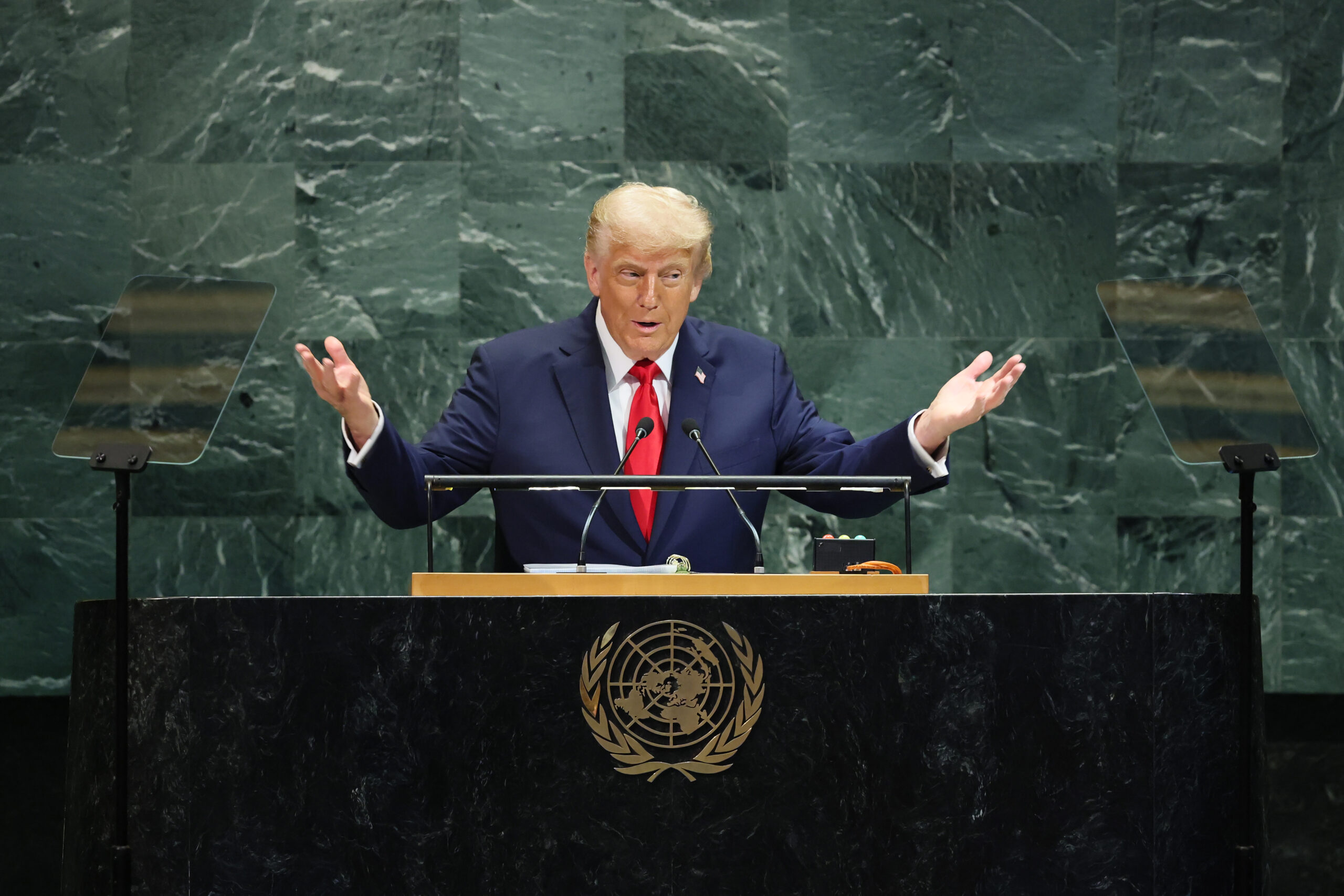
That is why venturing down the regime-change policy path is so perilous politically for both Trump and the GOP. To many people, it may seem especially ironic that Trump has decided to stake the viability and historical reputation of his presidency on such a strategy. It should not come as a great surprise, though. Those who believed that Trump was an advocate of a new U.S. foreign policy based on realism and restraint were always naïve. Much of their optimism was based on a handful of enticing comments he made (primarily during the 2016 presidential campaign) condemning the regime-change, nation-building wars that his recent predecessors had waged in the Balkans and the Muslim world.
As I pointed out on several occasions, though, an examination of Trump’s actual conduct regarding numerous other issues during his first term as president confirmed that his usual preference was for aggressive, nationalistic measures, not caution and restraint. He almost single-handedly destroyed the nuclear arms control system that Washington had developed with Moscow during the final decade of the Cold War. Despite campaign promises to the contrary, Trump kept the United States mired in the Afghanistan quagmire throughout his term. Instead of reversing Washington’s growing military support for Ukraine in that country’s rapidly worsening quarrel with Russia, Trump escalated U.S. involvement. For the first time, Washington shipped weapons to Ukraine, trained Ukrainian troops, and conducted joint military exercises with Kiev’s forces. Contrary to the absurd, largely partisan, media myth that Trump was “Putin’s puppet,” U.S. policy became more hardline and anti-Russian during his time in the White House.
Those actions should have underscored that Trump was no advocate of realism and restraint. His conduct since returning to the Oval Office in January 2025 has merely reinforced that point. Trump’s attempt to bully Denmark into selling Greenland to the United States illustrated his congenital belligerence. The various efforts to impose punitive tariffs on countries that defied him regarding random issues belonged in the same category. Trump’s new regime-change wars provide even more definitive evidence.
Subscribe Today
Get daily emails in your inbox
It is possible that the president could win his high-stakes political gamble. Having regimes subservient to the United States governing Venezuela, Iran, and Cuba would be massively transformational in both the economic and security arenas. The economic impact of such ideological shifts would be huge. Venezuela and Iran possess, respectively, the largest and third largest volumes of global oil reserves. Washington would be in position to exert pressure on the new client governments to sell their oil exports at below-market prices in the short term, an outcome many myopic American consumers—and voters—would welcome. A subservient Cuba would almost immediately become a mecca for U.S. investments in numerous fields.
The impact on security affairs might be even greater. A “friendly” Iran that eagerly “cooperated” with the United States and Israel would be a major factor that at least temporarily restored unchallenged U.S. hegemony in the Middle East. Tehran’s shift back into Washington’s camp would also constitute a major blow against Russian and Chinese influence in the region. Most Americans would welcome both outcomes.
What Trump and his supporters are reluctant to acknowledge, though, is that his aggressive, regime-change ventures constitute a very long-shot bet. Most long shots don’t win, and that is likely to prove true in this case as well.