The Ruin of Mali
Ishaan Tharoor reviews Mali’s continued deterioration:
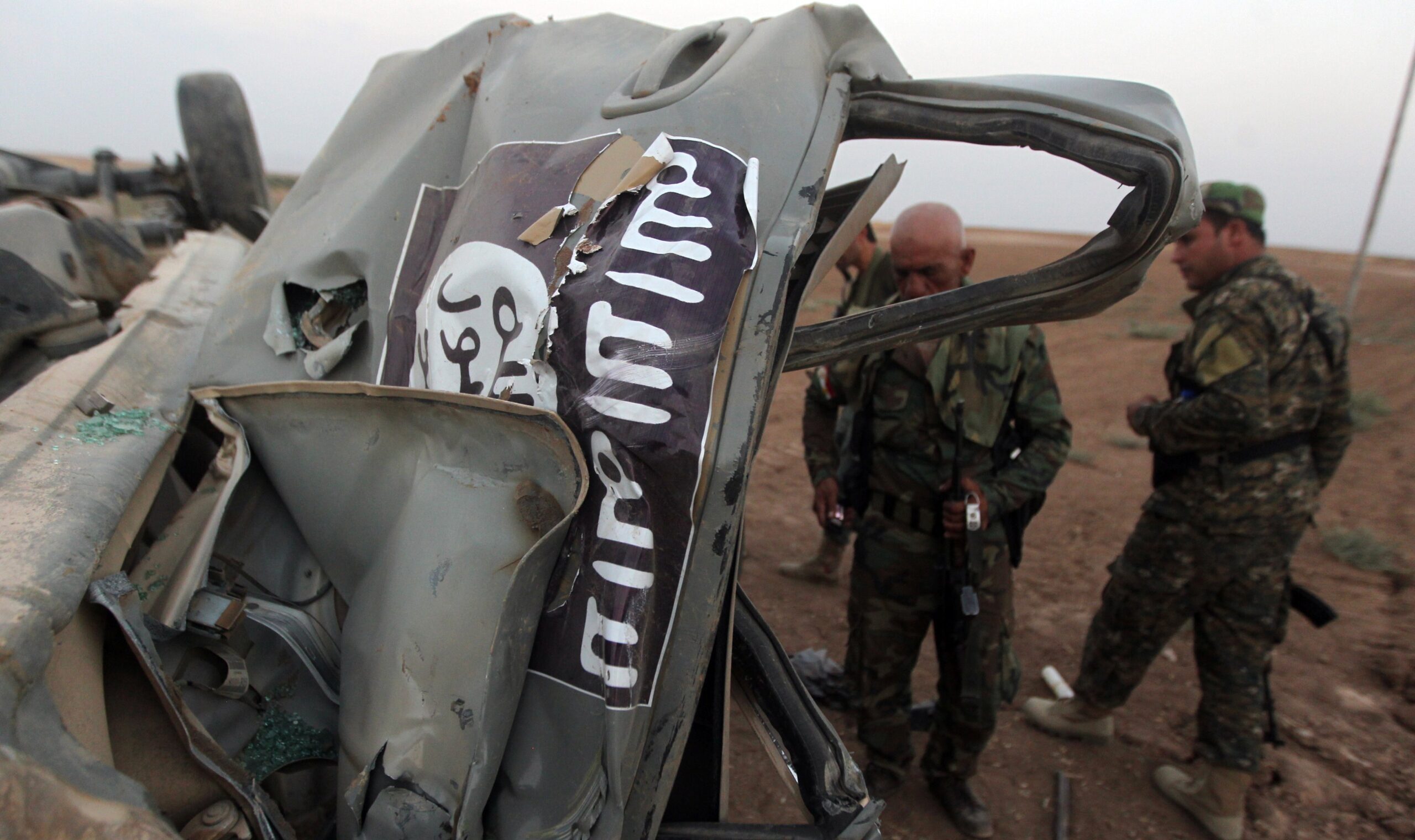
Metaphors of doom now swirl in what was once one of Africa’s democratic success stories. ome say that Mali is the next Somalia, where a patchwork of warlords and insurgents ranges itself against a dysfunctional, crisis-hit state. Others say it is the next Afghanistan, where extremist militias, some with jihadist connections, make hay in a security vacuum, arming and funding themselves through illicit drug smuggling networks.
Mali doesn’t need to be a “new Somalia” or “new Afghanistan” for its woes to remind us of the significant harm that the Libyan war has done to the surrounding region. The truly scandalous legacy of the war is the ruin of Mali that it helped bring about. It is possible that this subject could be raised on Monday in the debate, but I wouldn’t expect to hear about it. Recognizing the unintended and destructive consequences of interventionist policies is something that neither candidate is interested in doing.
It would require Obama to acknowledge that the Libyan intervention undermined international peace and security, and he has even more incentive to ignore this now in the weeks before the election than he did before. The Libyan war is easily one of Obama’s biggest mistakes, but he is shielded by the consensus view that the “good” intervention “worked,” and the only thing that his opponent can think to say on this issue is that Obama was an insufficiently assertive leader. Romney can’t credibly say anything about it, and it probably wouldn’t occur to him to make the connection.
Mali’s democratic government was already weak before the collapse of its authority in the north led to its overthrow by the military coup. Not all of Mali’s problems can be attributed to the effects of the Libyan war, and the region was already suffering from drought, but those effects added to the region’s woes and exacerbated its security and humanitarian problems. Another military intervention isn’t the right answer to Mali’s woes, whether carried out by ECOWAS or by other governments, as this would likely just contribute to even greater regional destabilization and additional humanitarian crises. The ruin of Mali should be a lesson to everyone that there is no such thing as a “cheap” or “low-cost” intervention. Someone always pays the price.