The War Must End Before It’s Too Late for Ukraine
Kiev should cede the Donbas and accept non-membership in NATO to remain a viable, sovereign state.
After more than eight months without direct negotiations between Russia and Ukraine, talks between them, mediated by the U.S., resumed in Abu Dhabi last week. Much in the war has changed since the February negotiations. Russia’s terms have not changed, but the certainty of its achieving them has.
Three things are certain. The first two: Ukraine will not become a member of NATO, and Russia will obtain most or all of the Donbas. These things are certain because of the third reality: Russia has won the war.
Ukraine is dying, and the clock is ticking. The only uncertainty is how long Ukraine’s President Volodymyr Zelensky and European leaders will hold out before terminating the life support.
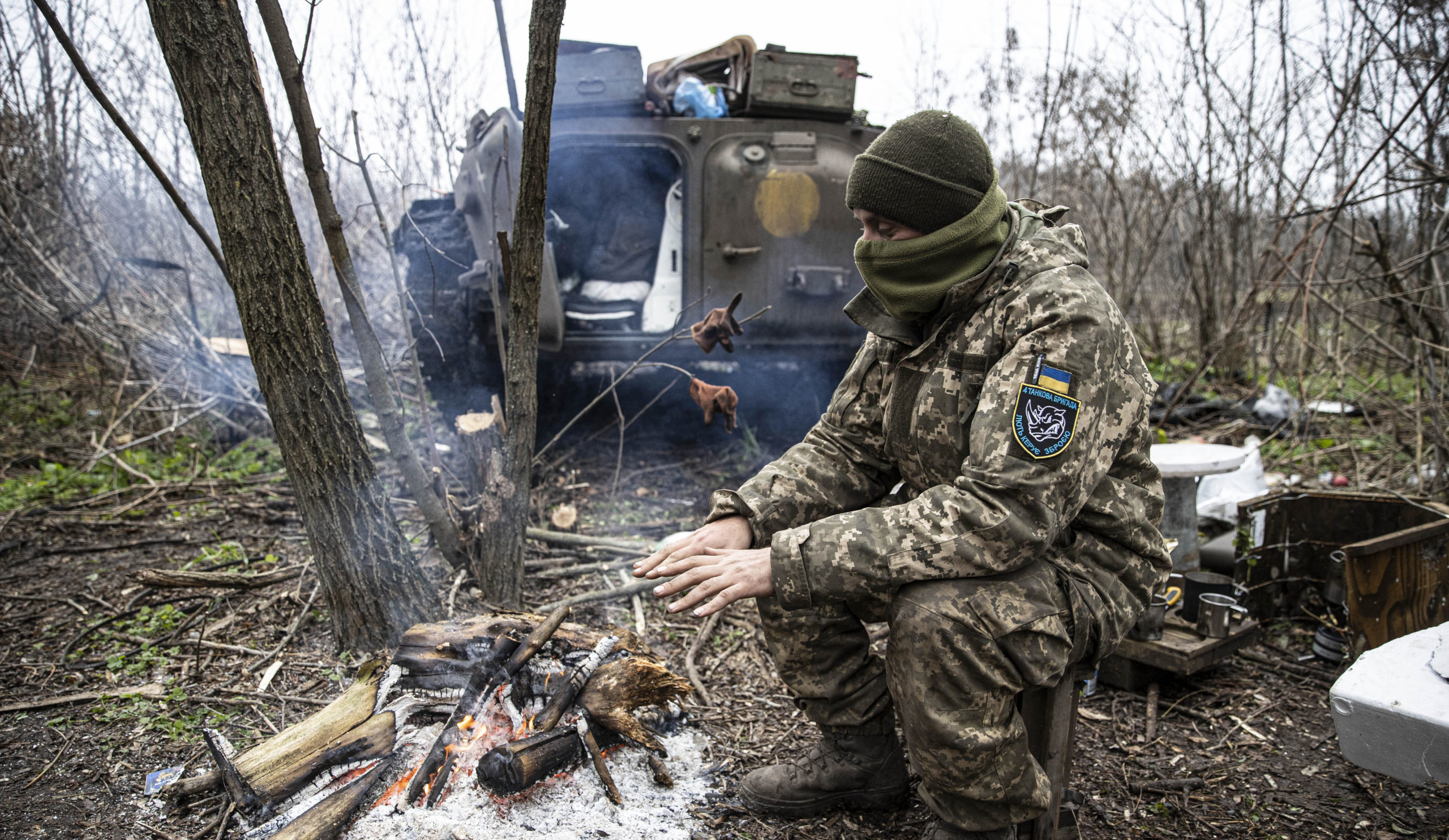
Not only are Ukrainian soldiers being killed or maimed at a staggering rate—perhaps as high as 30,000 a month—but the population of Ukraine has been vanishing. Millions of Ukrainians have fled, and many do not plan to return. Almost a quarter million left in the first half of this year, and many more are on the verge of leaving this winter as life in Kiev becomes unbearable. Among those who stayed, deaths outnumber births. Life expectancy is the lowest in Europe. There are not enough people to man the labor force or pay taxes for social services.
Ukraine can no longer defend itself. Kiev has run out of air defense interceptors and of nations willing and able to supply them. The U.S. supply of Patriot interceptors has slowed to worse than a trickle and may take several years to deliver, and Germany has told Ukraine it has no more to send. As a result, Russian missiles and drones are hitting their targets practically at will. Ukraine’s ports are constricted, and its grain cannot be exported at necessary scale. Its steel mills are closing, its mining operations are shutting down, and its digital infrastructure is coming under attack. Transportation is at a standstill as key bridges are damaged and hundreds of locomotives destroyed. In Kiev, the capital, blackouts occur semiregularly.
And all the while, the Russian armed forces are slowly, but inexorably, advancing across Donbas. Ukraine must acknowledge that inevitability now and save lives. Lost fortress cities can be built further west, but lost lives cannot be recovered.
Russia’s war on Ukraine was never primarily about territory. The key reasons for the invasion were keeping Ukraine out of NATO and, as the Kremlin sees it, protecting the ethnic Russian citizens of Donbas. The previous Minsk agreements had been meant to solve the latter problem. It was only when Ukraine failed to implement them, the U.S. failed to pressure Ukraine to implement them, and Europe used them as a delaying tactic to arm Ukraine for war on Russia that Moscow saw annexing Donbas as a necessary solution.
So, though the war was never fundamentally about territory, the negotiated end to the war is to a large extent about territory. Russia will not end its assault until Donbas is Russian.
Washington may be prepared to recognize that reality as essential for ending the war diplomatically. President Donald Trump recently said that a negotiated peace is going to happen but that “they’re gonna end up with a little bit different shape Ukraine.”
U.S. officials reportedly believed that privately Kiev has shown flexibility on the issue. Kiev’s willingness to countenance relinquishing territory, however, is understood to be linked to its demand for strong security guarantees.
Nevertheless, following the Abu Dhabi talks, a Ukrainian source told the Telegraph that Ukraine “will never recognize” Russia’s control of Ukrainian territory, “neither de facto nor de jure.” Moscow may not demand de jure recognition of its control of Donbas, but a rejection of de facto recognition means the war goes on.
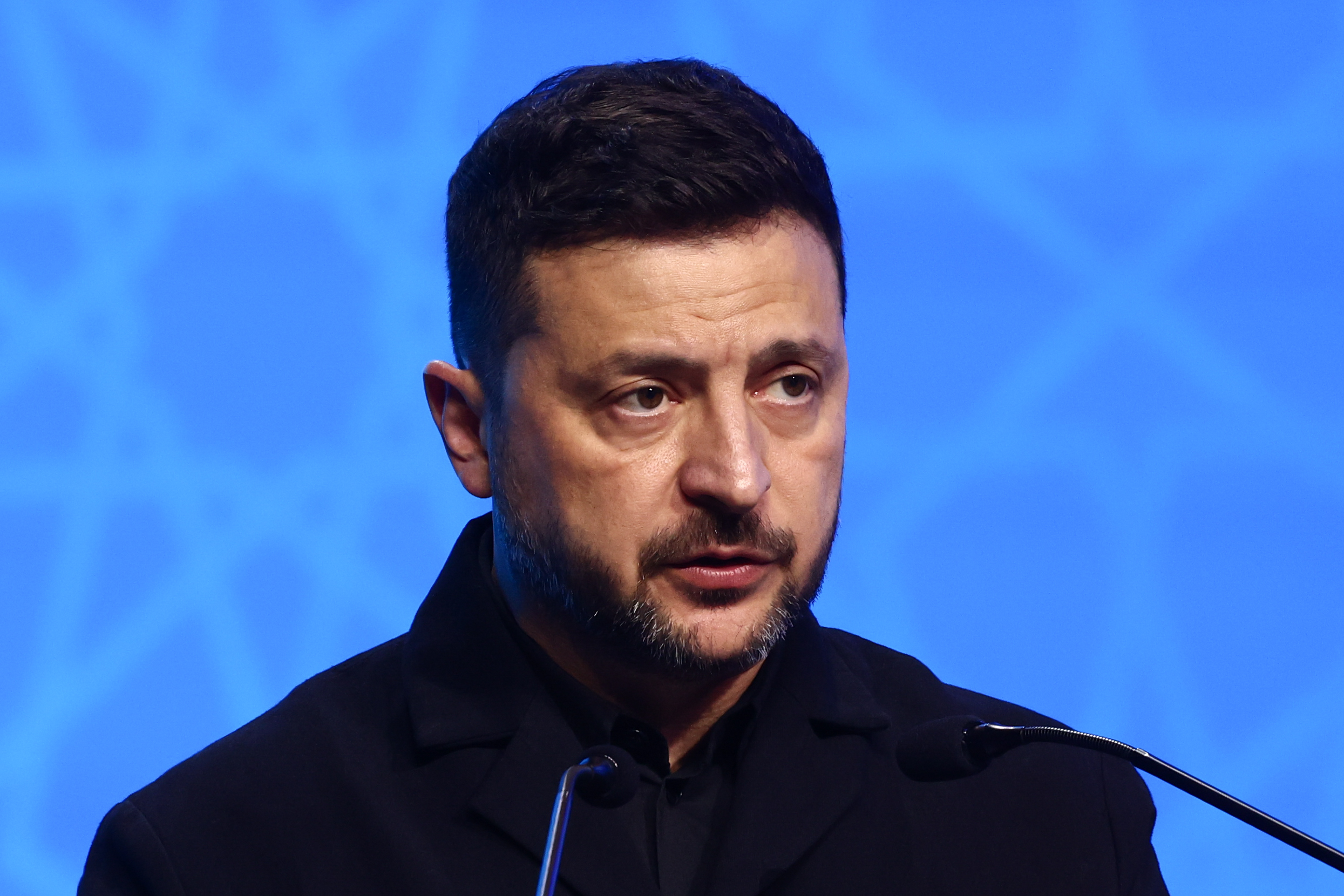
On the first day of talks in Abu Dhabi, Zelensky posted on X that “ceding Ukrainian land for peace” is not “about reality” but just “abstract words.” He complained that the Americans ask, “Can you exchange Donbas for security?” but then define security as “Not NATO, but similar to NATO.”
Subscribe Today
Get daily emails in your inbox
He has a point. But that is as good as he is going to get. Putin will not end a war to keep Ukraine out of NATO (and NATO out of Ukraine) by agreeing to NATO Article 5 security guarantees for Ukraine. But the U.S. has made it clear that it won’t agree to that either. Republican and Democratic administrations have made clear they would not fight a direct war with Russia over the Donbas. And Europe has made it clear by their actions that they will not, and cannot, guarantee Ukraine’s security without significant U.S. backing. They lack the troops, the technological capabilities, and the finances to do so.
The best security guarantees Ukraine is likely to get are commitments that fall short of NATO: some weaker, “similar to NATO” form of Article 5 coupled with security assurances that come with European Union membership. Ironically, the strongest security guarantee Ukraine could get would involve NATO’s closing its door to Ukraine, thereby easing Russia’s own security concerns and beginning the process of establishing the wider European security architecture now apparently on the table.
For Ukraine to survive, the war must be ended now, so, fair or unfair, Russian control of Donbas must be conceded and NATO membership must be taken off the table. Once freed from war, Ukraine would remain a sovereign nation on most of its territory, and it could turn westward, taking a path that leads to the European Union. It won’t have Donbas, and it won’t have NATO. But it won’t border a threatened Russia.