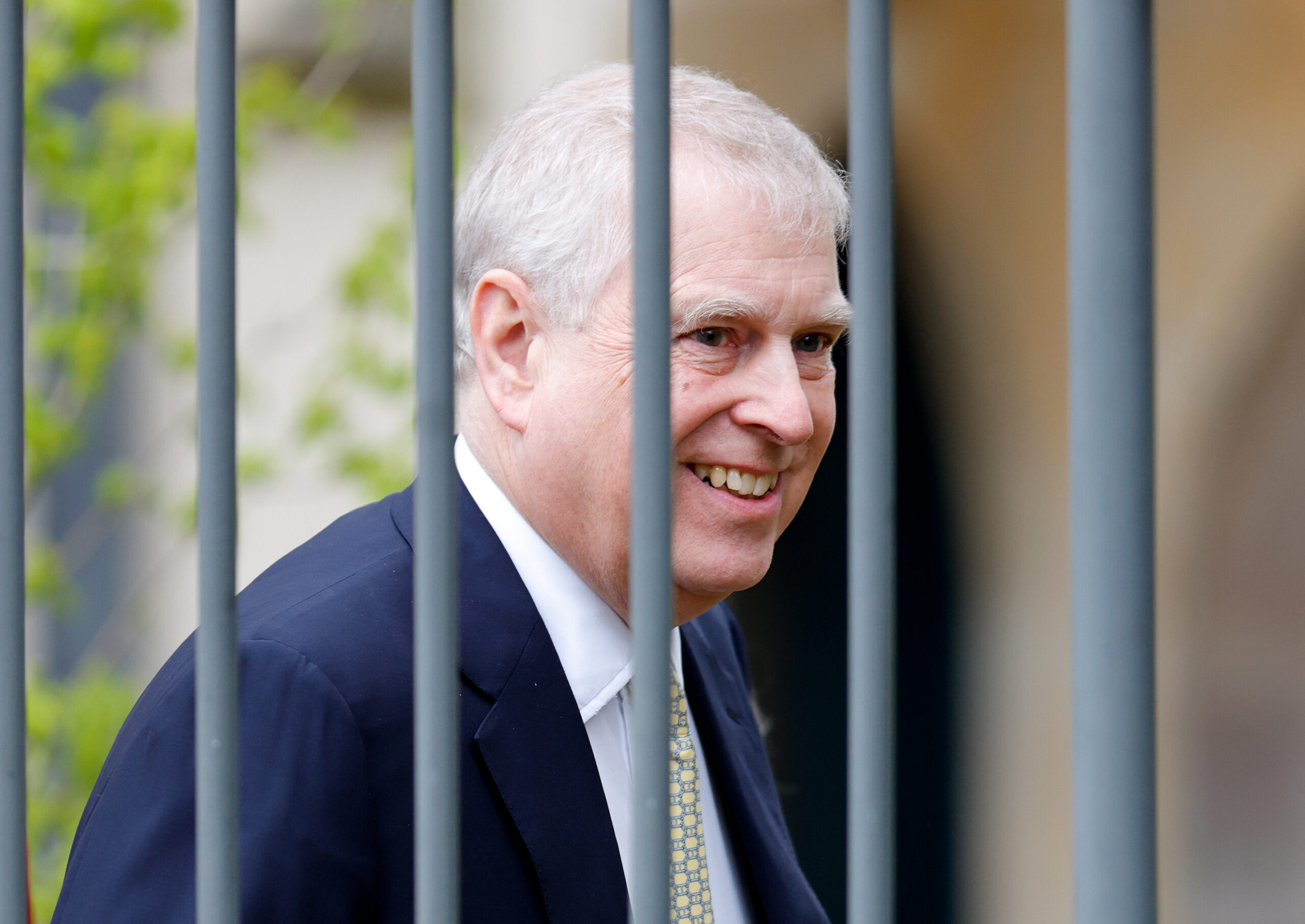
It is hard to overstate the shock in the British Establishment at the arrest of Andrew Mountbatten-Windsor, formerly Prince Andrew, today on suspicion of misconduct in public office. This is the first time a senior member of the royal family has been arrested in more than 300 years—since King Charles I in 1647, to be precise. That worthy monarch was beheaded.
Andrew Mountbatten-Windsor, as he is now known, was stripped of the title of Duke of York by the King in 2025 following allegations arising from his relationship with the convicted sex offender Jeffrey Epstein. He remains eighth in line to the throne, though perhaps not for much longer.
Were this arrest to lead to a trial, the prosecution would be in the name of his brother, King Charles III. In the British constitution, the monarch is the fount of justice, and prosecutions are conducted by the independent Crown Prosecution Service, though the king himself has no role to play in this.
King Charles has made clear that he will cooperate fully with the police investigation and says that the law “must take its course.” But he must have been devastated to learn that his brother had been arrested this morning at the Sandringham Estate in Norfolk apparently without prior warning. This is highly unusual, indeed unheard of, when members of the royal family are involved.
It is important to remember that Mountbatten-Windsor is innocent until proven guilty. We do not even know if this case will lead to an actual prosecution. This is early days, and the jubilation of his many critics and alleged “victims” may be premature. He has been arrested on suspicion of an offence, but if the police do not charge him, he must be released within a reasonable time (typically without charge within 24 hours unless extended).
But we do know two things. First, the former prince was arrested and not just invited to help the police with their inquiries by attending a police station for an interview.
The state broadcaster, the BBC, has reported that in a criminal investigation, to arrest a suspect without warning allows the police an element of surprise and permits them to conduct a thorough search of the suspect’s homes and the seizure of electronic devices.
So there was no way in which Mountbatten-Windsor could have “rolled the pitch,” as it were, to emphasize his innocence. Equally, it suggests that the police already have a great deal to go on in making their case against him.
We also know that the allegation is “misconduct in public office”, a criminal offence which carries a potential life sentence. This is an extremely vague law, however, and requires the prosecution—the Crown—to establish first of all that he actually occupied a public office and was acting as a public officer when the offence took place. This relates to the period when the former Prince Andrew was trade envoy, and it is alleged that he supplied confidential information to Epstein.
It has been widely reported that he shared reports on trade visits and discussed investment opportunities in Afghanistan with the disgraced financier. It is also claimed that he passed a Treasury briefing note to a third party.
The prosecution would also have to prove that Andrew knew and intended to breach the trust invested in him by conveying this information to another party. It would also have to be proven that the information disclosed was of such importance as to undermine public trust.
To repeat, Mountbatten-Windsor is innocent until proven guilty, but this latest development in his chequered career is a serious crisis for the monarchy. The departure of Prince Harry and his wife Meghan to the United States following claims of racist language being used by members of the royal family was bad enough.
Since 2019, Andrew has also been accused of having sexual relations with one of Epstein’s trafficked young women, the late Virginia Giuffre—an allegation Mountbatten-Windsor strenuously denies. It is understood that Thames Valley Police are not investigating any matters of sexual misconduct.
Subscribe Today
Get daily emails in your inbox
The king is the head of state in the British constitution. But support for the royals has fallen sharply in recent years, though 58 percent still believe it serves a useful purpose. Young people in particular are questioning the relevance and cost of the monarchy and find the institution inimical to democratic values, even though the king has no formal policy power in Parliament.
But if the royal family cannot uphold the highest standards of public probity, how long will the public continue to pay for it? These are dark times for the British monarchy.
And for the king’s younger brother. Today is Andrew’s 66th birthday. He has been spending it, we are told, in a police cell with just a bed and a toilet.