For Ukrainians, a Bad Peace Beats a Worsening War
Kiev’s effort to ramp up pressure on Moscow has led to an intolerable situation at home.
It is time to talk about victory in the Russia–Ukraine War. Politicians and the media regularly use the word, yet it has come to signify nothing. In Ukraine, a political battle is breaking out over which narrative of victory will be accepted by the people.
For some, a 10-year-old dancer with a prosthetic leg is a living advertisement for Ukraine’s “unbreakability.” But a growing number of Ukrainians are done participating in that story. Incessant preaching about “resilience” while the situation on the ground only worsens has exhausted their patience. Many now say Kiev should become more open to a compromise peace to prevent injuries and gruesome wounds that would haunt Ukraine’s children for the rest of their lives. Outside the world of political sloganeering, “unbreakability” produces broken bodies and a maimed generation.
“The only way to stop these sufferings of all Ukrainians is the soonest possible peace,” Sofia Stuzhuk, a mother of five and a Ukrainian blogger with several million followers, told me. “And all sensible Ukrainians understand this.”
Public opposition to the controversial forced mobilization has reached a boiling point. Despite what you may hear from supposedly pro-Ukraine Western voices, ordinary Ukrainians of limited means often see evasion and resistance as signs of dignity and honor. Mobilization centers have become synonymous with torture, unexplained conscript deaths, and rampant corruption. Yet a former U.S. presidential adviser, Keith Kellogg, is calling for the mobilization of women. His daughter, Meaghan Mobbs, provoked a wave of outrage when she posted this message about a Ukrainian man who drowned in a river while fleeing mobilization officers: “He died a coward. He could have died a hero.”
Russian strikes have escalated and widened to the point that Kiev, far from the front, now feels like a near-frontline city. That alarming development comes after President Volodymyr Zelensky’s much-advertised 40-day “pressure” operation, which, in practice, is ongoing and has predictably led to a counterescalation by Moscow. Russian forces are tearing up railways and other logistical lines, choking agricultural exports, wrecking what was left of the metallurgical industry and the power system, and hitting gas stations and warehouses for basic goods. As a cold winter approaches, a humanitarian disaster looms. Meanwhile, corruption scandals have consumed the Zelensky government, and the fiscal situation is rapidly deteriorating.
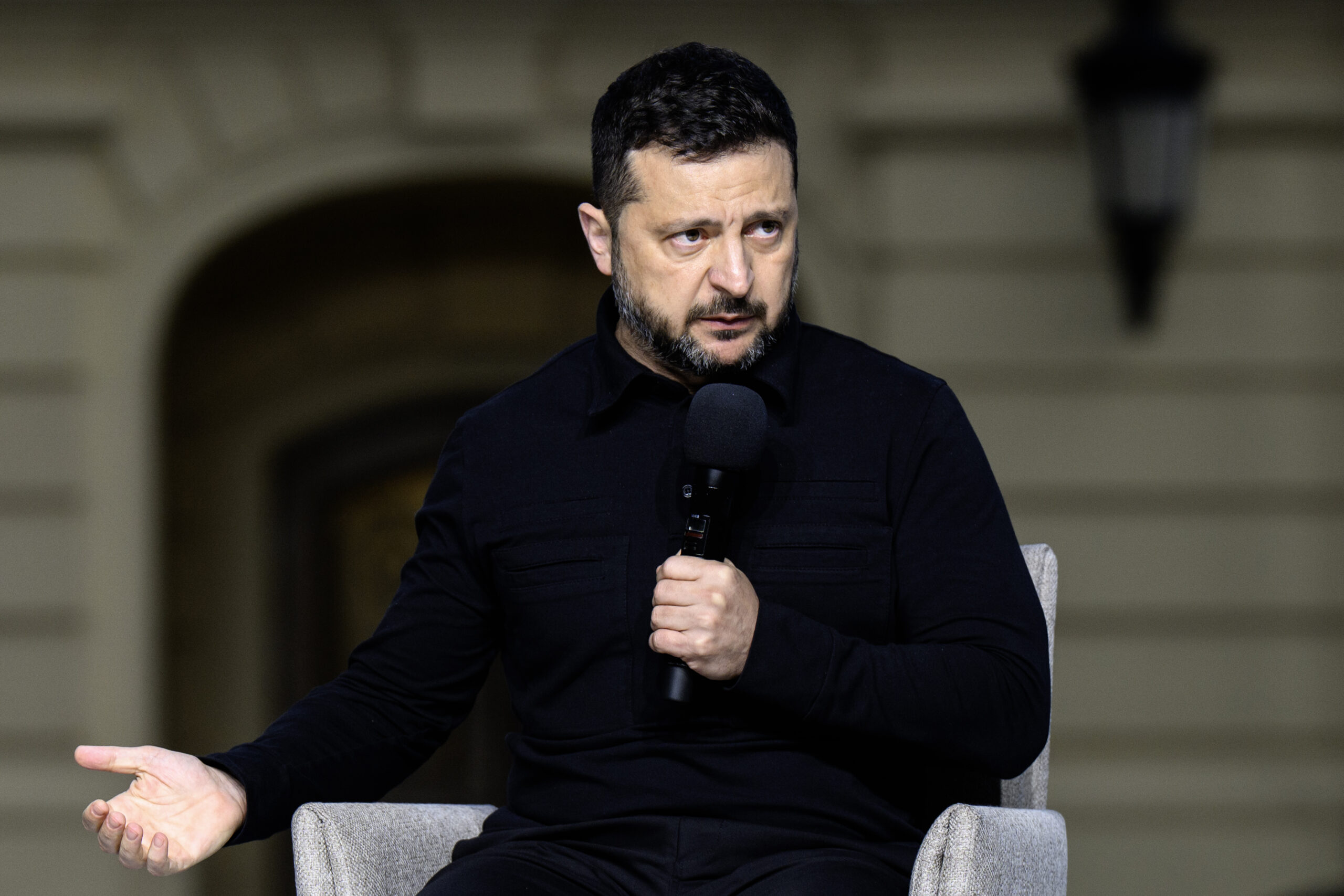
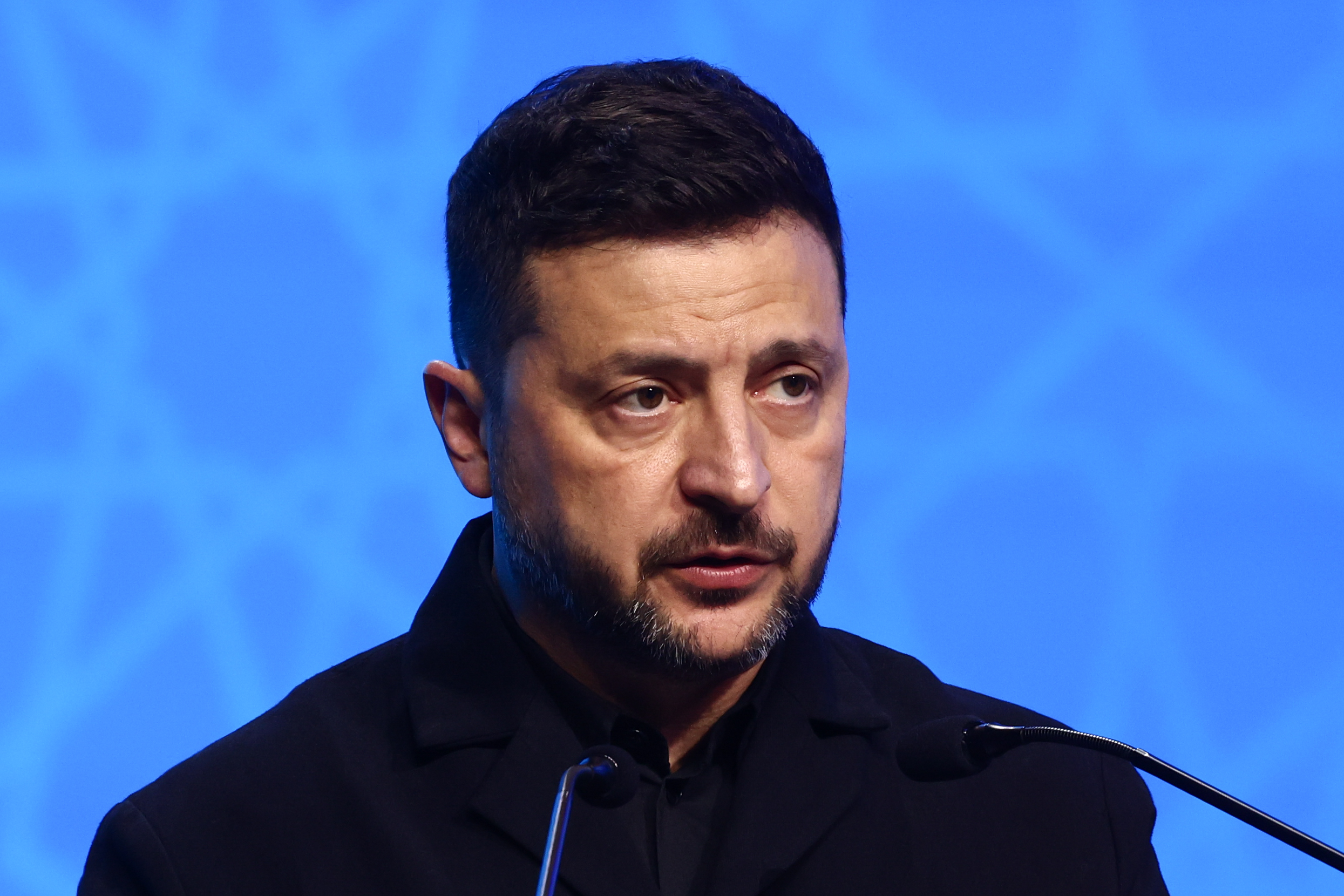
People draw opposite conclusions from these developments. Some want to double down on the tactics that produced these results, while others see an urgent diplomatic end to the war as the only way out. Zelensky is part of the first group. He promises “revenge” after every attack, even as each new exchange of strikes takes more from Ukraine’s people and its economy than from Russia’s. But online, more and more Ukrainian voices now call for a realistic peace and challenge Zelensky’s understanding of what “victory” even means.
In 2022, winning meant getting all the land back. Officials even talked about reclaiming the Russian-occupied Crimean Peninsula. Back then, ordinary Ukrainians argued over which they’d rather recover first: the sunny subtropical tourist resort on the Black Sea, or the industrial core situated in the eastern Donbas region.
But by now the mood has changed entirely. Even a poll conducted by Kyiv International Institute of Sociology—a private organization perceived to be friendly to Ukraine’s leadership—found that 61 percent of Ukrainians would support a comprehensive peace deal that included territorial compromises. For some, that still feels like surrender or defeatism. But with Russian strikes getting progressively more damaging and Ukrainian losses rising, the case for such a peace is hard to ignore.
Subscribe Today
Get daily emails in your inbox
Western countries pouring aid into a war of attrition, year after year, has become good business for the arms makers and for politicians controlling public budgets. But five years into the war, this aid has not given Ukrainians real protection nor put the economy on anything resembling a firm footing. If this goes on, can Ukraine—a country where every third budget dollar comes from foreign aid—even continue to provide basic services, much less beat Russia on the battlefield? For all the talk of Russia’s “war economy,” Moscow is still spending only around 7 percent of GDP on defense, against Kiev’s 44 percent, and its debt-to-GDP ratio is practically the same it was before the war. Russia also has between two and four times as many men of mobilization age.
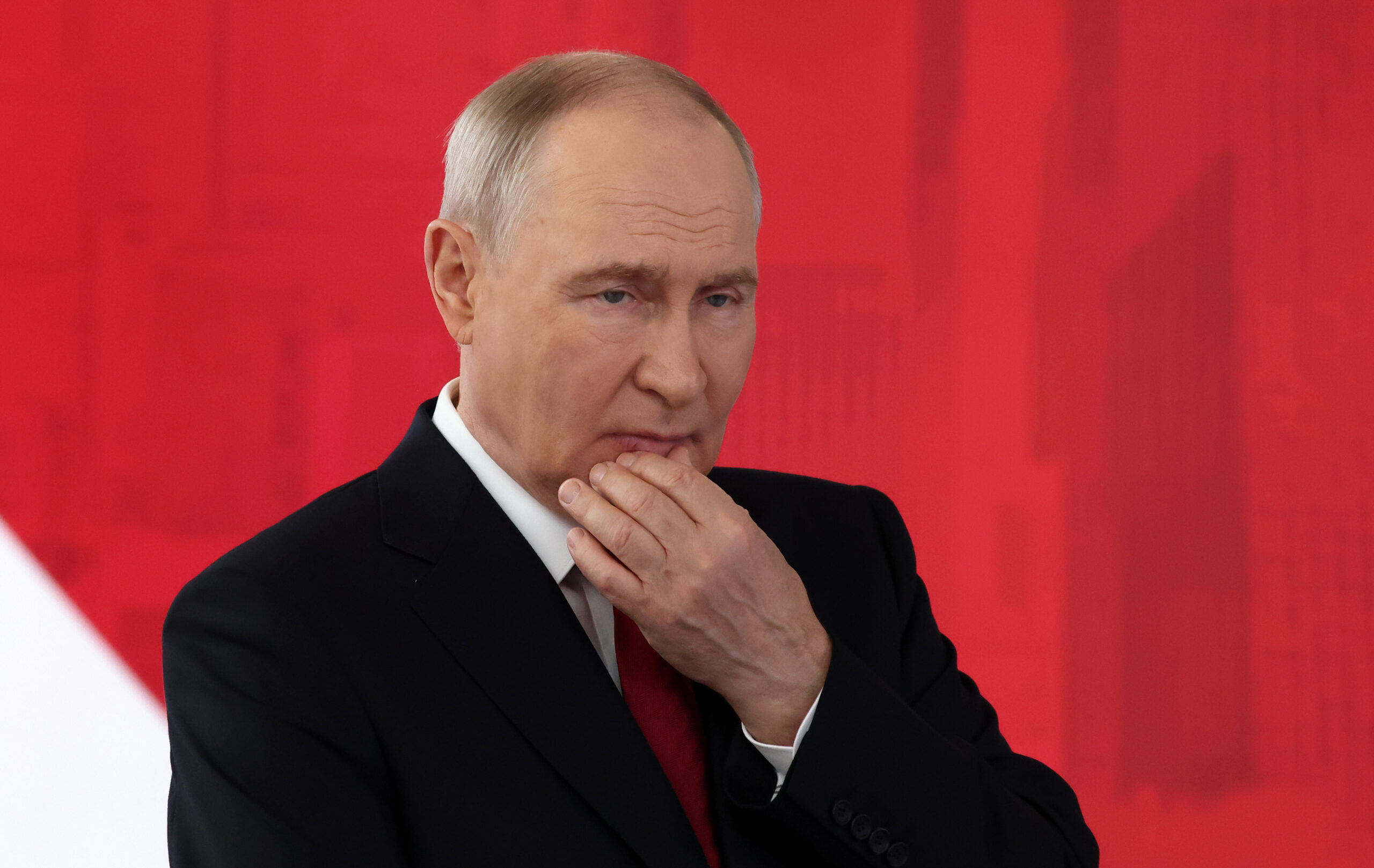
Attritional warfare has always favored Russia historically. While its army may lose battles, the capacity of Russians to endure exhaustion confers a significant advantage on Russian governments, including President Vladimir Putin’s present system. Russia is capable of spending lives and resources for as long as it takes, and it remains prepared to do so now.
Ukraine has reached the point where the only victory worth believing in requires accepting a bad peace rather than sustaining or escalating a horrific war. At least the former would give Ukraine a chance to survive as an independent country. By contrast, the present course—with flagrant corruption, fiscal crisis, escalating Russian strikes, and a worn-out, demoralized population—probably leads to Ukraine losing not just the war, but its independence and its future.