Elon Musk’s Risk to the British Right
Is the mogul’s support for Rupert Lowe’s Restore Britain quixotic?
Elon Musk is the richest person in the world. For decades, he has cultivated a devoted following on the basis of his exciting and often genuinely impressive ventures, and since 2022 he has been the owner of the world’s most important social media network. He acquired Twitter not as a business venture—although the platform’s usefulness as a reservoir of training data for his belated attempt to compete in the AI sector has often been overlooked—but as a political act, seeking to counteract the left’s dominance of online space and ensure “freedom of speech” (even if the extent to which that goal has been achieved can be disputed).
Since the acquisition, or perhaps because of it, Musk has become increasingly politically engaged, first on what could be called classically liberal “anti-woke” grounds, and then in increasingly explicitly right-wing terms. Understandably, a great deal of goodwill has been generated on some corners of the right by these actions. Nevertheless, it is also becoming increasingly clear that Musk’s politicization presents major challenges for those who hold dear the goals he says he shares. Nowhere is that more clear than his interventions in Britain, a country poised for the first time in history to elect a party to the right of the Conservatives, which is campaigning precisely on the issues he claims to care about—not in favor of that party, but against.
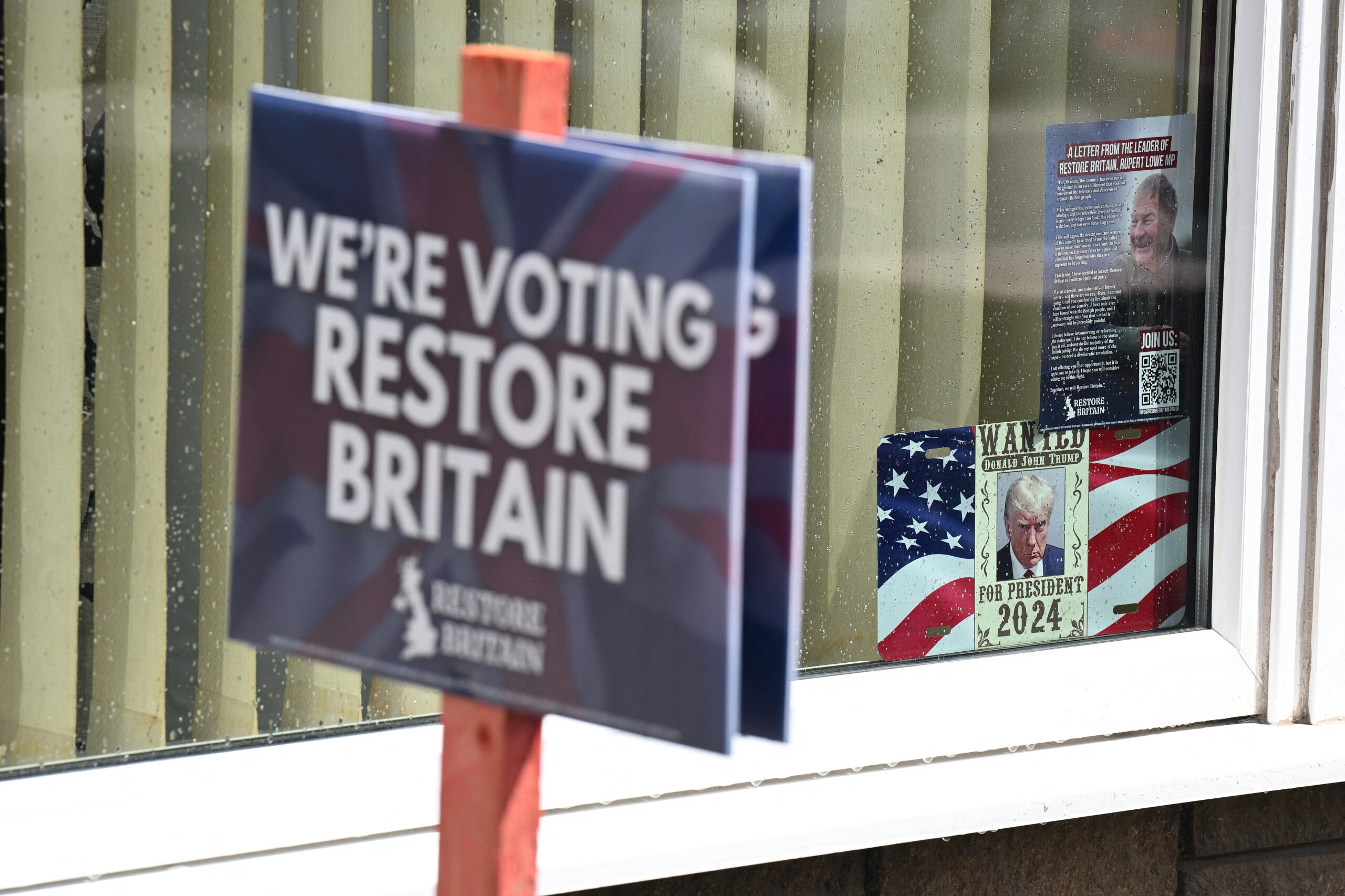
Musk’s intervention in favor of Rupert Lowe’s Restore Britain has been significant, if not directly (Musk is very unpopular in Britain, even among right-wing people), then by granting some legitimacy to their ambitions. A single MP with a social media following is one thing, but, backed by the world’s richest man, he becomes a more formidable prospect. Whilst it is impossible to confirm suspicions of algorithmic tampering, it certainly seems as though the reach of accounts associated with Lowe has risen dramatically since Musk’s endorsement. Regardless, Lowe’s following on other platforms shows his support is not entirely confected, but Musk has certainly strengthened his hand.
If that translates into the ability to stand more candidates (so far, Restore has only ever stood in Great Yarmouth and, now, in Makerfield) and to win a greater share of the vote, what will the effect be? Of course, this is where the naive model of politics—advocating what you want in the strongest terms possible—falls apart. The consequence of Restore outperforming will be to force Reform into coalition with the Conservatives at best, or to hand Labour an unexpected victory at worst, almost certainly as part of a rainbow coalition which may have to promise constitutional vandalism and perhaps even risk the breakup of the Union to please various factions. Either option forecloses the possibility that Reform will deliver what it has already promised: the mass deportation of millions of illegal and non-contributing immigrants, the transformation of the machinery of government, and the removal of the boot from the neck of the British economy.
Subscribe Today
Get daily emails in your inbox
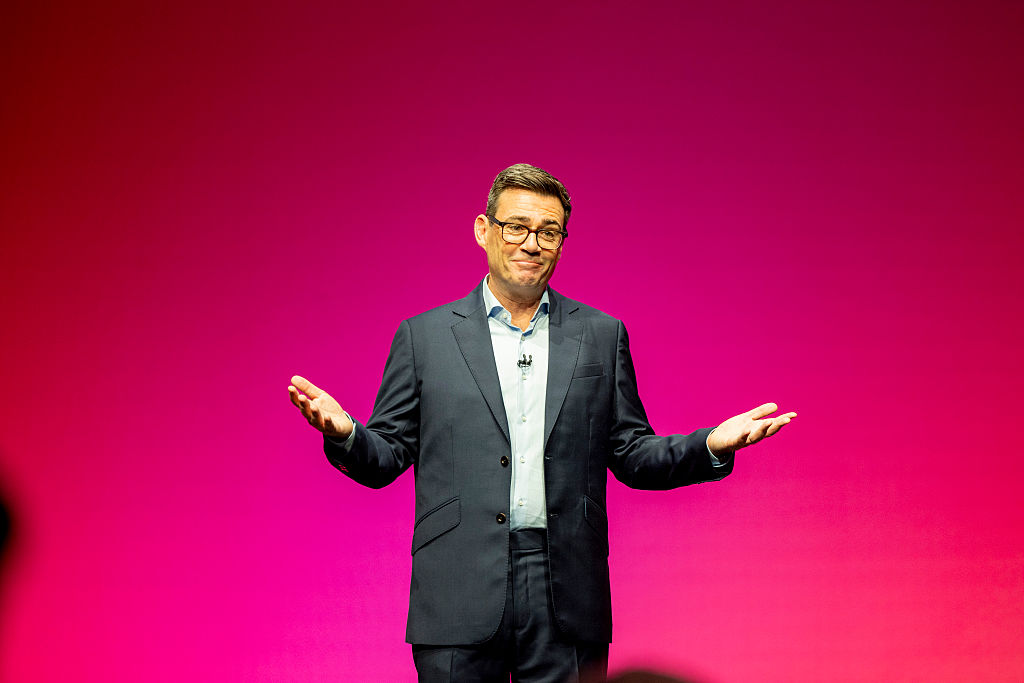
As Restore has developed its policy offerings over the past few months, it has become clearer that there is little to suggest that Rupert Lowe would be able to accomplish anything more radical than Nigel Farage. Many of his supporters have resorted to the issue of trust to justify their continued refusal to return to the Reform fold. That argument might have its own validity; there’s no case one can make to persuade someone that his instincts about another person are incorrect. But one can neither trust or distrust a person one has no knowledge of, just as one cannot navigate a strategic landscape in which one is blind. Elon Musk has never met Rupert Lowe, has spent perhaps an hour with Nigel Farage, and another hour witnessing selected clips of his online. He has probably never heard of Andy Burnham, let alone his plans to introduce proportional representation (could he even describe Britain’s current electoral system, and how it affects political outcomes?). One can barely blame him for this—after all, why would any American have heard of Burnham?
But the stakes for Britain have never been higher. At this late hour, an opportunity has arisen to begin addressing some of our deepest challenges—ending mass migration, deporting illegals and beginning to reverse the disastrous immigration policies of recent governments; transforming the machinery of government; and taking the boot off of the neck of our
asphyxiated economy. The path is by no means certain, and navigating it requires extreme care and seriousness. I don’t expect that from Elon Musk. But if he is not interested in dedicating the same seriousness to his endeavor to change British politics that he does in his endeavors to change the aerospace industry, it is entirely fair of us to request he does not interfere at all. If a rocket blows up, you can build another one. But if this chance to save Britain is lost, we may not get another.