Ceasefire Day 5: Trump Declares U.S. Blockade in Hormuz

A two-week ceasefire to the Iran War entered its fifth day on Sunday as President Donald Trump declared a full U.S. naval blockade of the Strait of Hormuz. Iran closed the strait, a key chokepoint for global trade, shortly after the war began and has charged a fee for ships to pass through.
In a lengthy post on Truth Social, Trump said the blockade would take immediate effect, ordering the U.S. Navy to stop all ships attempting to enter or leave the waterway. Trump threatened that “any Iranian who fires at us, or at peaceful vessels, will be BLOWN TO HELL!”
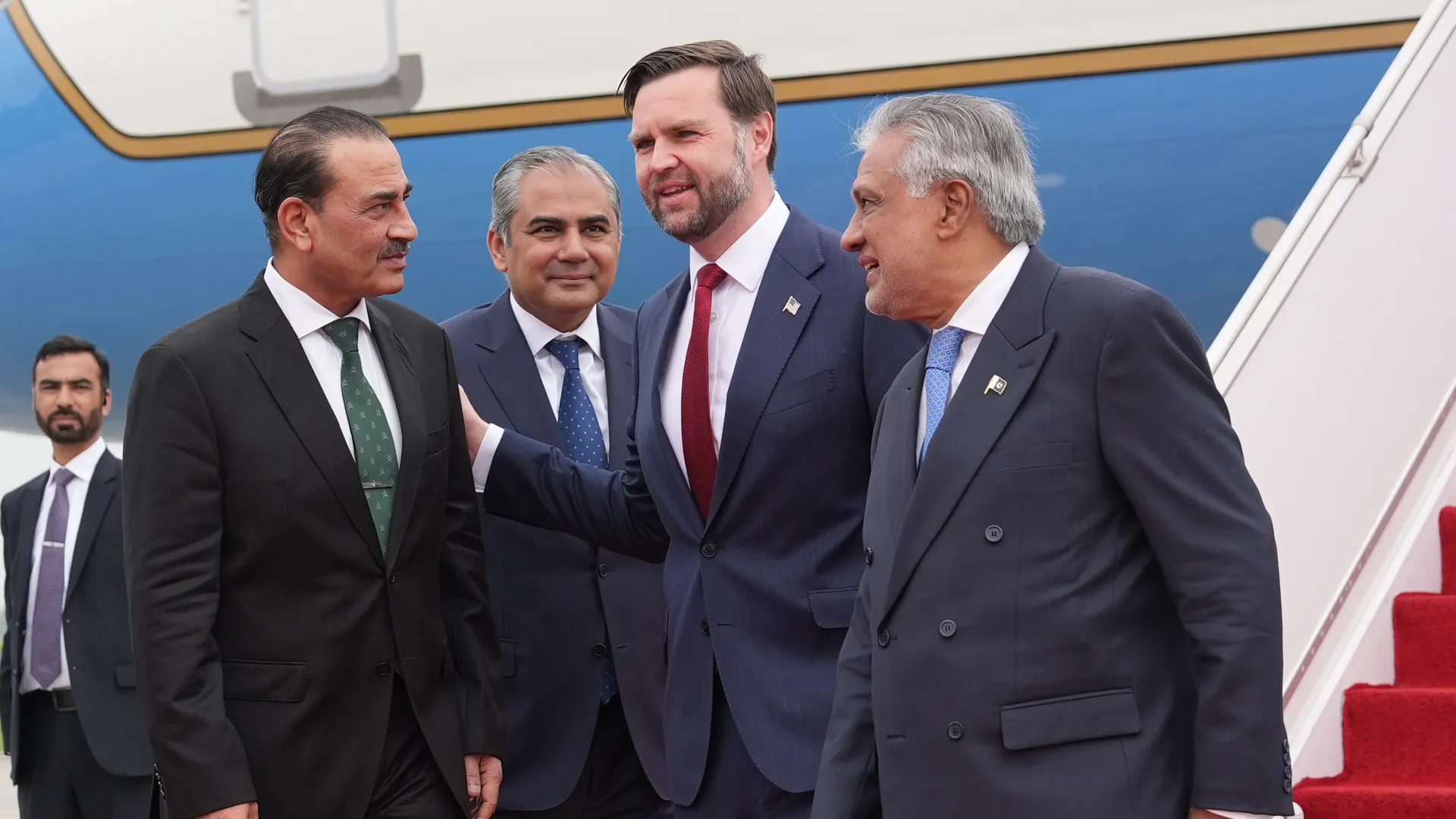
Trump’s announcement comes one day after face-to-face talks between the U.S. and Iran failed to produce a peace agreement. Speaking to reporters at a press conference in Islamabad early Sunday morning local time, Vice President JD Vance said that the U.S. “made very clear what our red lines are, what things we're willing to accommodate them on and what things we're not willing to accommodate them on. And we've made that as clear as we possibly could, and they have chosen not to accept our terms."
When asked by a reporter where differences remained, Vance said that “we need to see an affirmative commitment that they will not seek a nuclear weapon and they will not seek the tools that would enable them to quickly achieve a nuclear weapon.” Some analysts interpreted the statement as a demand that Iran give up all enrichment of uranium.
Iran’s Speaker of Parliament Mohammad Ghalibaf, who helped lead negotiations for Iran in Islamabad, said in a post on X that “due to the experiences of the two previous wars, we have no trust in the opposing side,” adding that the United States “ultimately failed to gain the trust of the Iranian delegation in this round of negotiations.” Iran's foreign ministry spokesperson Esmail Baghaei said on Sunday that understandings had been reached on a number of issues, but that differences on two to three major points ultimately prevented an agreement. "These negotiations took place after 40 days of imposed war and were conducted in an atmosphere of mistrust and suspicion," Baghaei said. "Naturally, we should not have expected to reach an agreement in a single session."
Subscribe Today
Get daily emails in your inbox
The talks reportedly collapsed partially over the Strait of Hormuz, with the U.S. unwilling to accept Iran’s control of the waterway and its demand to levy tolls on passing vessels. The U.S. had proposed a “joint venture” to manage tolls, which Iran rejected.
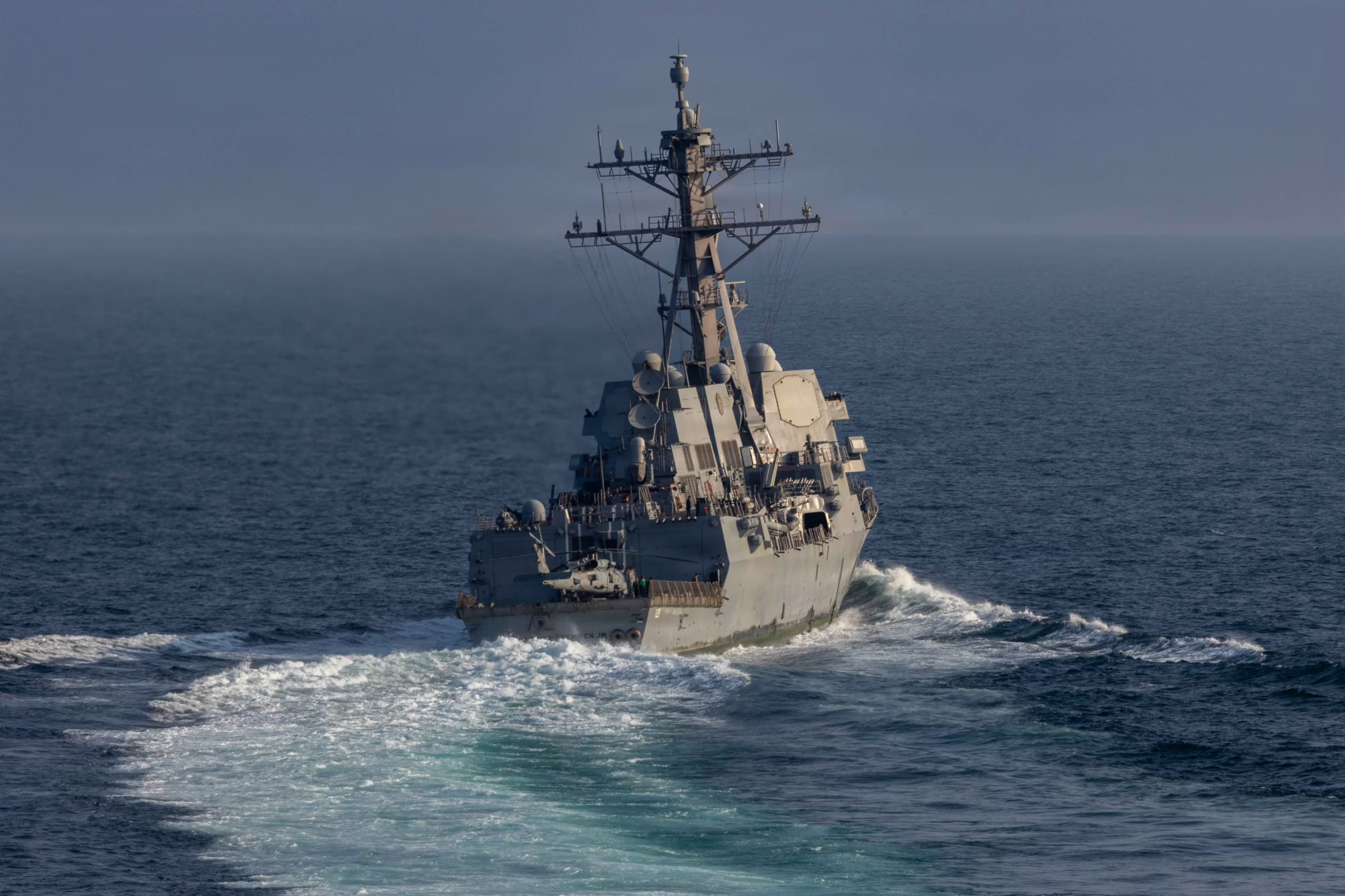
On Saturday, ahead of the breakdown, U.S. Central Command claimed to have begun a mine clearance operation in the strait, with Admiral Brad Cooper announcing that the USS Frank E. Peterson and USS Michael Murphy had transited the waterway. Axios first reported the passage as a successful operation, citing an anonymous U.S. official. However, Bloomberg subsequently reported that the two destroyers had attempted the transit around noon Dubai time but were forced to turn back after encountering threats from IRGC forces, which launched a drone in the direction of the vessels. The IRGC released video Sunday purporting to show the moment the destroyers retreated after receiving a warning from IRGC Navy forces in the eastern part of the strait.
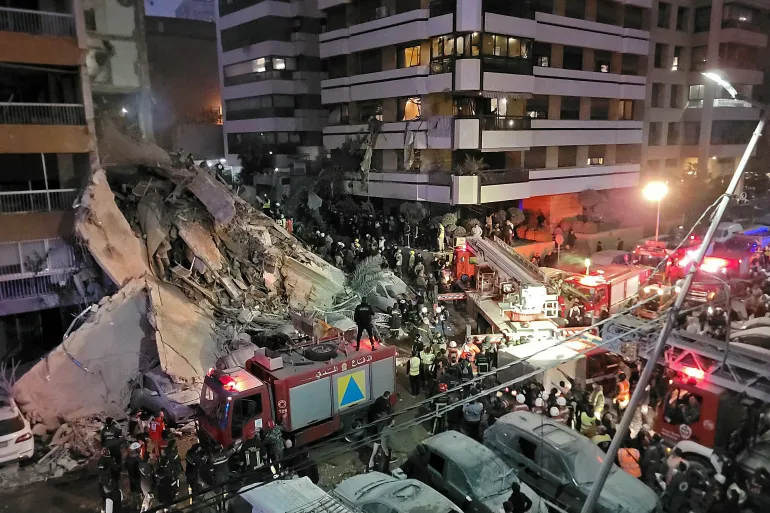
Israel continued its military campaign in Lebanon on Sunday, despite Iran’s warnings that a failure to secure a ceasefire in the country would result in a breakdown of negotiations to end the broader war. Israeli attacks killed at least 24 people in the towns of Tefahta, Maaroub, and Qana, according to early reports.