
A Fresh New Piece of Washington, DC
A burst pipe and a monster snowstorm demonstrate the capital’s inability to govern itself.
Cabin John, MD—We caught the smell first. It came steaming out of the canal, hot and stewy, seasoned with the diesel exhaust of dump trucks idling alongside the parkway. We saw the geyser next. Up from the ground bubbled the filthy water, thick as a clogged toilet, streaming down into the woods and riverbed. We saw the sludge last. Tons and tons of toxic waste, the likes of which no one in my family’s car had ever beheld so close. It was incredible. We slowed down to gawp. And one look was not enough. About a mile up the road, we hooked a U-turn and drove back to see it again.
The rupture occurred on January 19, when a decayed DC Water pipe carrying sewage through suburban Maryland to a treatment plant in the district burst in Cabin John. It was a large pipe, six feet in diameter, designed to transport about 60 million gallons of liquid excrement daily. It was a linchpin in an ambitious, 54-mile-long network of underground drainage, which consolidates sewage in the city with waste as far out into Northern Virginia as Dulles Airport. Any disruption could mean disaster.
And disaster it was. On the first day of the break, 40 million gallons spilled into the Chesapeake & Ohio Canal and overflowed into the Potomac River. On the next day, another 40 million ran straight into the river. And then again the day after that. And again and again and again. For six days nearly 300 million gallons poured into the Potomac uninhibited—enough wastewater to fill the Tidal Basin downtown. DC Water was able to contain the spillage to the canal after a week, but the damage had already been done. E. coli levels in the river were measured at 10,000 times the amount safe for swimming, and Montgomery County deemed the Maryland shoreline unsafe even to touch. Oh, and they never fixed the pipe. As of this writing, it is still spewing sewage.
Our new Old Faithful has since become a local tourist attraction. My mother has gone to see it three times. Each time she has expressed disgust as if she were coming upon it unawares. No surprises there. Washington is a sleepy town, and its residents tend to sensationalize even the smallest of excitements. But for once the incident is actually newsworthy. It is one of the largest sewage spills in American history.
The Potomac Riverkeeper Network, a nonprofit that monitors the river’s cleanliness, released a report a week after the spill warning that the long term effects on the river’s health are likely to be grave. The sewage may be contained for now, but there is no saying what could happen in the next few months. Much of the Potomac’s ecosystem is dormant during the winter, but come spring we may see a lot of toxic algae and dead fish floating downstream.
And of course there’s also the smell.
“The vile and putrid smell from the torrent of sewage discharging to the Potomac River for eight straight days is one of the most disturbing things I have ever seen in 25 years as a riverkeeper,” wrote Dean Naujoks, one of the riverkeepers, after inspecting the site.
The good news in all this is that the muck didn’t contaminate the drinking water. The bad news is that the pipe burst at all. Subsequent investigation revealed that the spill was entirely preventable. The drainage system was more than 60 years old. DC Water had marked it for repair after conducting a survey from 2011 to 2015 in which it found that “the majority of the pipe segments show signs of corrosion.” The agency earmarked more than $600 million for the restoration project. But no one ever got around to finishing the job. No one ever gets around to finishing the job.
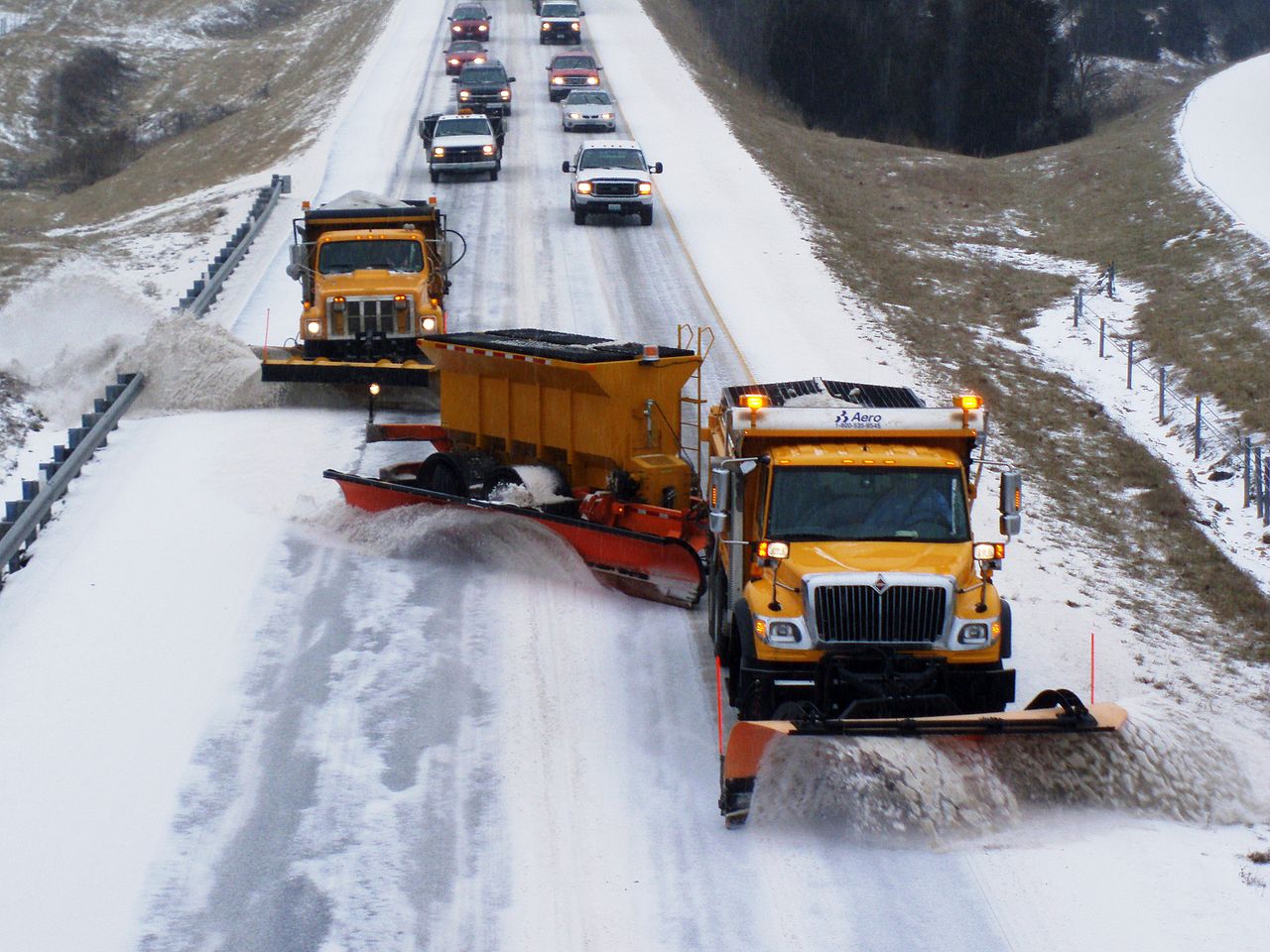
And why would they? It is not in the city’s nature to address disaster, natural or otherwise. A few days after the sewage spill, a snow storm dumped nearly a foot of sleet on Washington and its environs. It was a terrible storm, one of the worst in recent memory. But it was not unexpected. Everyone knew it was coming—it was all anyone talked about the week beforehand—and most people prepared themselves accordingly. But not the city. A week after the snowfall, many streets (including mine) were left unplowed, and Mayor Muriel Bowser tacitly admitted defeat.
Subscribe Today
Get daily emails in your inbox
During a press conference on January 30, Bowser acknowledged that many streets and walkways had not yet been cleared. But, she added, this was no cause for despair. This was a great opportunity for city residents to grab a shovel, “take advantage of the sunlight,” and “work together” to clear the ice. She also offered free salt to any volunteers willing to sprinkle their neighborhoods. The mayor put on a brave face, but it was easy to see that she was ashamed. The city government had been unprepared, and now everyone else would have to clean up its mess.
Now, I am all for, uh, creative approaches to governance—it’s why I live in the city rather than the suburbs. But there is something deflating about my mayor recasting failure as victory. While I was out shoveling concrete slabs of ice in my back alley, my parents and siblings were cruising around NoVa’s vulgar expanse as if no snow had ever fallen at all. While I was slipping on the slushy sidewalks outside a grocery store approaching Soviet-level depletion, they were strolling through the imperial strip malls. While I was sorting out damp 1099s from mail that had arrived a week late, they were toasting to another year of state tax cuts. I hate to admit it, but at times like these I look across the Potomac with a tinge of longing.
The truth is that Washington is ungovernable, and it always will be. The other day I returned to the geyser. It was still burbling, but the flow of swill was not nearly so intense as in the beginning. Work is moving, but slowly. Soon the ice will thaw, and the crews will dig up the whole forest. They will festoon the trees with caution tape. For years they will toil away at the site. They will block traffic and further disrupt the Potomac’s fragile ecosystem. Eventually, yes, they will fix the pipe. But by then everyone will have forgotten that it even existed. Some new obscenity will have captured the city’s attention.