Burnham, Populist?
The right must consider the possibility that the new prime minister may in fact be good at politics.
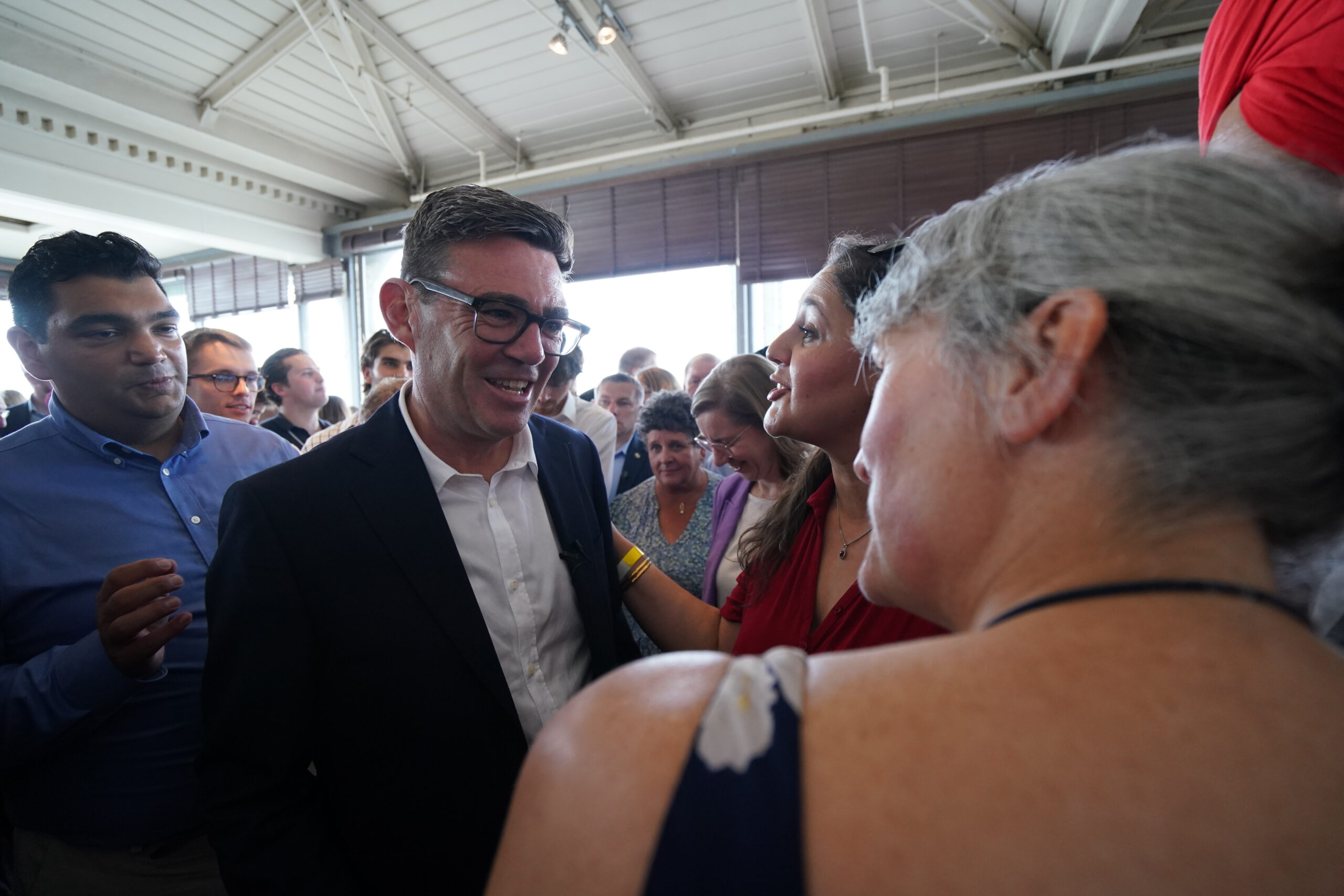

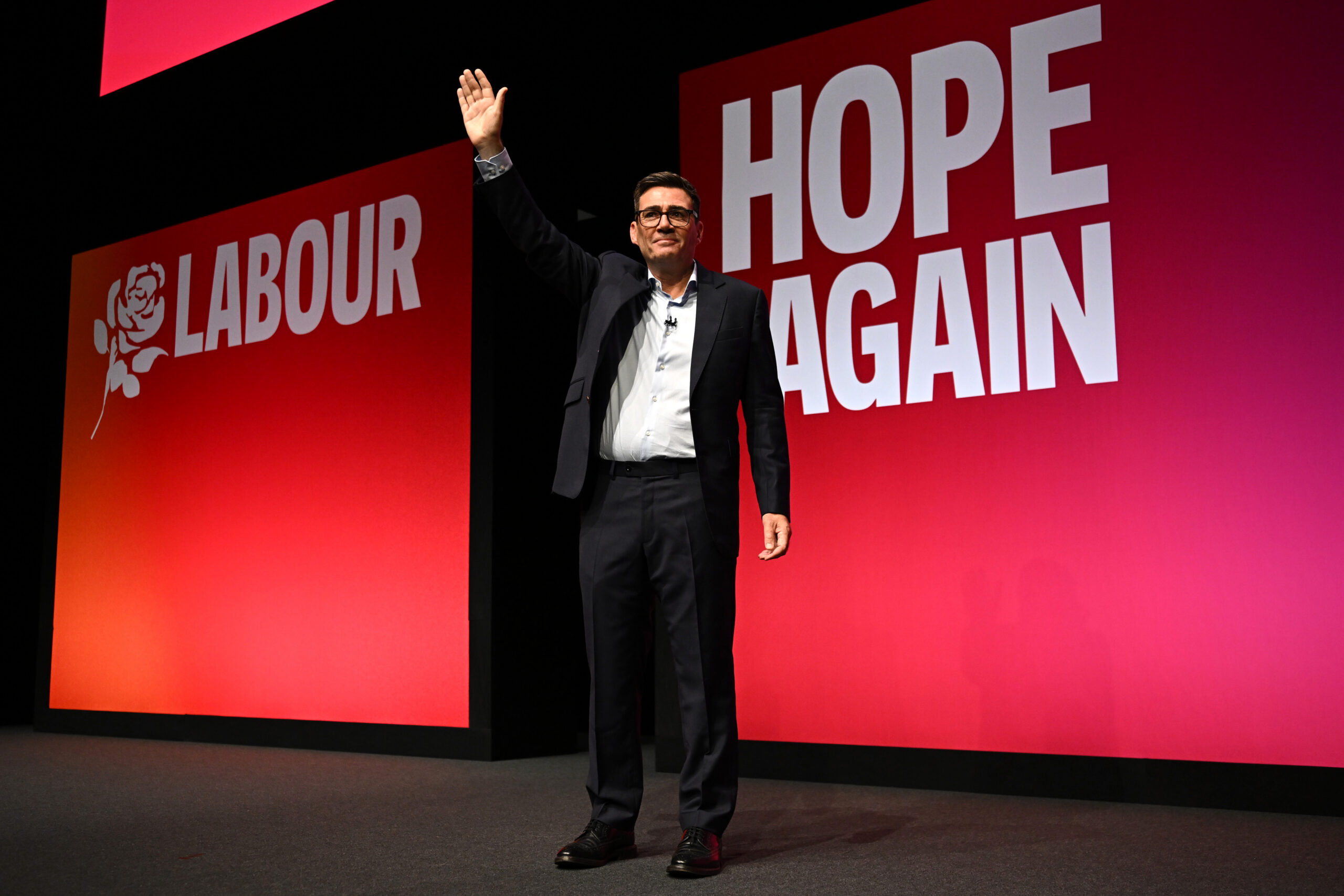
Since Andy Burnham assumed the office of Prime Minister on July 20, most of the right-leaning publications and commentators in the United Kingdom have greeted his every policy pronouncement as vague, insubstantial, and/or impossible to carry out. Those criticisms are largely spot-on. But the tribally-driven dishonesty characteristic of what now passes as political coverage and analysis dictates that those critics fail to note that woolly and nugatory pronouncements have been de rigueur for incoming prime ministers since at least Margaret Thatcher, the first of the truly media-oriented PMs. (Liz Truss is a partial and partially honorable exception, though arguably her brief and ill-fated premiership could have benefitted from a bit of feel-good vagueness in her inaugural policy declarations.) In short, Burnham’s fuzzy proclamations and sop-policies are little better and no worse than standard and are entirely to be expected. Why can’t the right just say that?
Actually, Tim Shipman’s Evening Blend column in Friday’s Spectator goes one better. Titled “Voters Are Buying What Burnham is Selling,” Shipman’s article starts off by acknowledging the obvious: At the end of Burnham’s first work week in power, “there are as many questions as answers about where he will ultimately plant his flag on the big macro-economic stuff and on policies which make for difficult politics.” And it should be noted that even today one of those big-ish policy questions emerged: Burnham’s housing secretary, the formerly disgraced Angela Rayner, indicated that pesky economic reality is casting doubt on achieving Burnham’s (vague and almost certainly unobtainable) pledge to build 1.5 million houses in the next three years.
But then there’s another pesky reality. Burnham’s gestural and apparently nugatory policies announced this week—opening a branch of Number 10 in Manchester, capping bus fares at £2, and cutting VAT by at most £1 a week on electricity bills—seem to have resonated with the electorate. Correctly or otherwise, an overwhelming majority of respondents to a poll conducted for the Spectator by Merlin Strategy believe that the cuts and caps will make their daily lives substantially or marginally better. As for the Northern branch of Number 10, whatever that amounts to, it’s a nice signal that the government is at least casting an eye on that Britain far from the elite metropolis.
Yes, those policies are not going to alter the UK’s grievous economic trajectory, but it turns out that people seem to like a government that makes small changes that affect their daily lives. It seems that Burnham has thereby (perhaps just temporarily and arguably merely superficially) buoyed public morale—and his government’s popularity. No, these morsels don’t add up to FDR’s 100 Days, but they seem to be buying some real goodwill, which might turn out to be an effective way to win elections.
Subscribe Today
Get daily emails in your inbox
Smart politicians and commentators on the British right should learn a thing or two from those smart and intellectually honest figures on the far, far left in the 1970s and 1980s. While the tribal left was chanting excoriations toward Thatcher and running through its slogans about “deindustrialization,” the Trotskyite C.L.R. James and the unrepentant communist Eric Hobsbawm said that the left ought to note that Thatcher was winning at the ballot box. In facing Thatcher’s ascendency, both James and Hobsbawm called for a response that demanded not vituperation of a figure for whom they had a more than grudging respect, but instead one that demanded ruthless self-assessment and a clear-eyed dissection of the conditions that brought Thatcher to and kept her in power. Farage’s and Badenoch’s allies need not cite the chairman of the Council of People’s Commissars, but they ought nevertheless to follow that approach described by James:
I believe Lenin was the greatest political leader, theoretician and organiser that we have known… How would Lenin have dealt with Margaret Thatcher? . . . He wouldn’t rush into agitation to put up somebody against her. He would have said, “Bring me all her books and everything she has said”. He would have analysed them all and he would have said, “She represents this and this today is stronger than it was, and she sticks to that, and that is why she wins; and now to defeat her we have to get down to these fundamentals.
To be sure, Burnham hasn’t won a single election, but the fact is that he’s had a good first week—and, with the striking exception of Shipman’s piece, you wouldn’t know that by reading commentators on the British right. Those commentators largely believe that the stakes in the next general election are of existential importance for their country. I wouldn’t dispute that. But if that assessment is correct, the stakes are too high for slack and biased analysis and empty criticism of what might indeed be—but aren’t necessarily merely—empty policy pronouncements. One lesson: Gestural politics might indeed be just, well, gestural. But don’t we all appreciate a nice gesture?