Iran War Enters 29th Day: Yemen’s Houthis Enter War
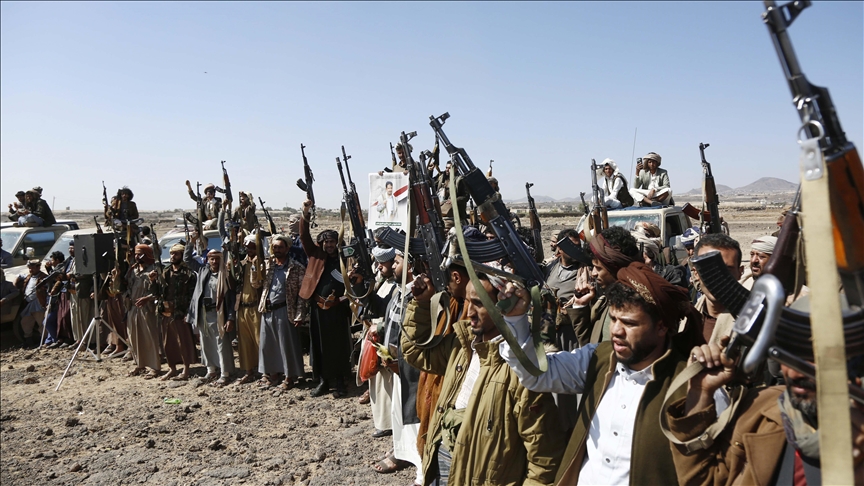

The Iran war entered its 29th day on Saturday as Ansar Allah, the Yemeni armed movement commonly known as the Houthis, said Saturday it had entered the war directly by launching a barrage of ballistic missiles at what it described as sensitive Israeli military targets, opening a new front in the regional conflict.
In a statement, the group said the attack was carried out in support of Iran and allied “resistance” forces in Lebanon, Iraq, and Palestine, citing continued U.S.–Israeli strikes on infrastructure and what it described as massacres across multiple fronts.
The Houthis did not specify whether they intended to resume operations in the Red Sea or the Bab al-Mandab Strait. During its last Red Sea campaign, the Houthis drove container ship transits through the Bab al-Mandab down by roughly 90 percent, while traffic through the Suez corridor — which normally carries about 12 to 15 percent of global trade — fell by an estimated 50 to 70 percent at the peak of the disruption.
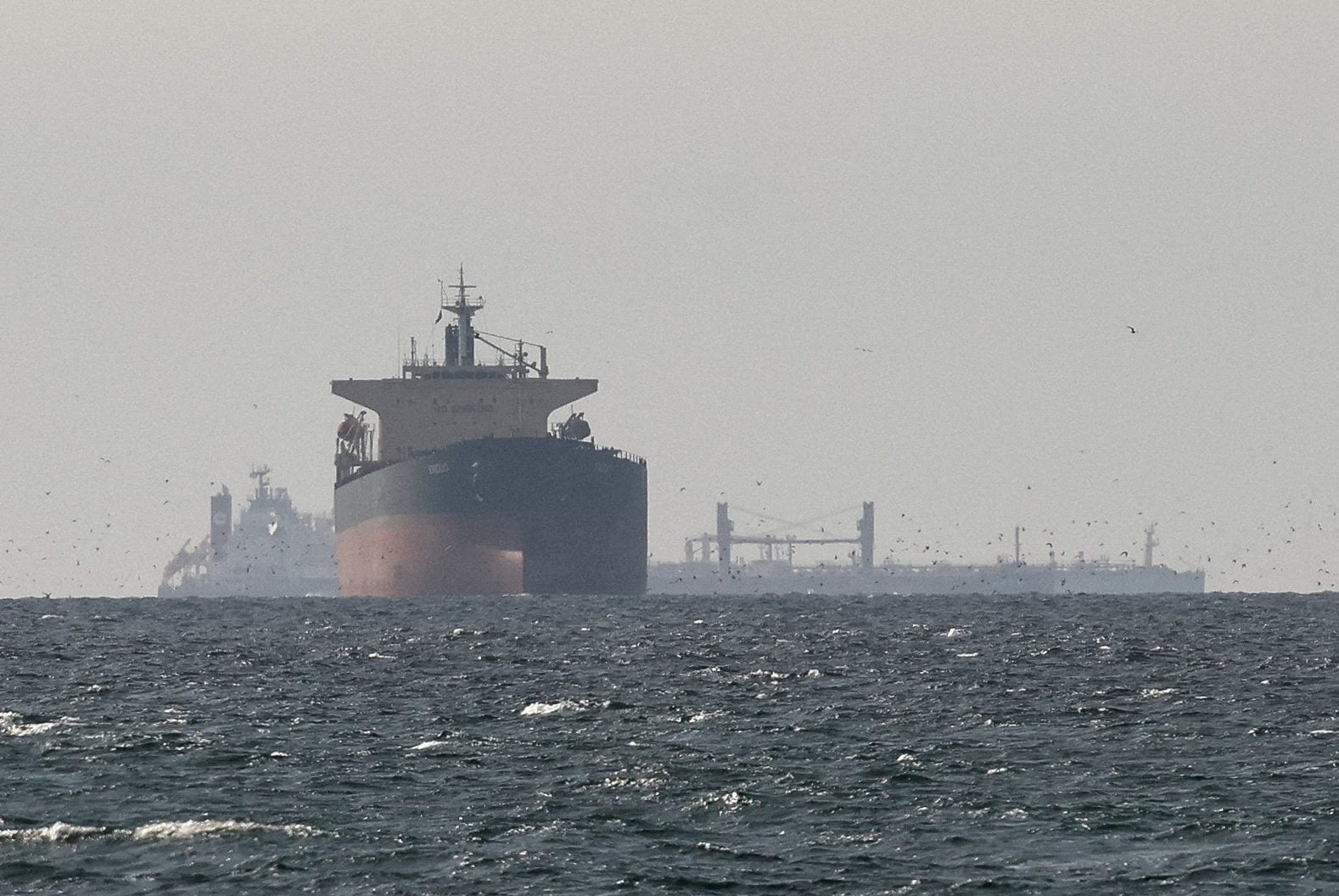
At the G7 conference on Friday, Secretary of State Marco Rubio said that Tehran “may decide that they want to set up a tolling system in the Strait of Hormuz.” Trackers like Lloyd’s List had reported on Wednesday that such a toll has already been imposed. Since March 13, 26 vessels seem to have transited the Strait of Hormuz through a pre-approved IRGC “toll booth” corridor.
Thailand’s Prime Minister Anutin Charnvirakul said at a press conference on Saturday that an agreement has been reached to allow Thai oil tankers to transit safely through Hormuz.
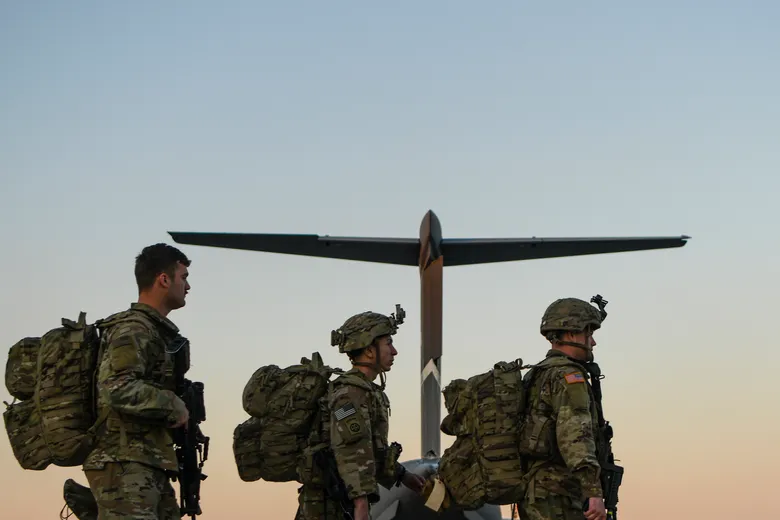
Iran claimed one of its most significant attacks on U.S. forces since the conflict began, saying it struck Prince Sultan Air Base in Saudi Arabia overnight, reportedly wounding 12 U.S. troops and destroying two refueling aircraft.
Israeli strikes across Iran’s industrial sector on Friday hit multiple civilian-linked sites, including the Mobarakeh Steel complex in Isfahan, Khuzestan Steel in the southwest, a cement mine in Firouzabad, other industrial sites in Kheirabad, and a warehouse at the Mashhad airport.
Iran’s foreign minister Seyed Abbas Araghchi responded to the attacks in a post on X, saying “Israel claims it acted in coordination with the U.S.” and that the attacks contradicted President Donald Trump’s “extended deadline for diplomacy.” The foreign minister warned that “Iran will exact HEAVY price for Israeli crimes”
A spokesperson for Kuwait’s Directorate General of Civil Aviation said on Saturday morning Kuwait International Airport was hit by several drones, damaging its radar system but causing no casualties. Another wave of strikes was reported in Bahrain on Saturday, with claims that an oil facility linked to BAPCO, the kingdom’s state energy company, was hit.
U.S. special envoy Steve Witkoff said at a Miami business forum on Friday that he expects Iran to respond to Washington’s 15-point peace plan and predicted talks could take place “this week.” Echoing Trump, Witkoff claimed that the passage of ten oil tankers through the Strait of Hormuz was a “very, very good sign” of Iranian willingness to engage. Joint Maritime Information Center data shows that a total of just 5 vessels — inbound or outbound — have passed across the Strait in the three days preceding Trump’s claim of 10 oil tankers.
Subscribe Today
Get daily emails in your inbox
Drop Site reported Friday that Iran has rejected the U.S. framework for ending the war, insisting it has submitted its own terms and will decide when the conflict ends. A senior Iranian official told Drop Site, “The Americans are not prepared to engage in what can genuinely be called negotiations…They are clearly being disingenuous.”
Iran has consistently rejected what it sees as a temporary ceasefire similar to the U.S.-backed agreement that ended the “12-Day War” in June 2025, which Tehran says only bought time for a larger offensive. According to a senior Iranian official quoted by Drop Site, Tehran’s terms for permanently ending the war include long-term guarantees against U.S. and Israeli attacks, extension of any ceasefire to Lebanon, Iraq, and Palestinian territories, sanctions relief, and continued Iranian control of the Strait of Hormuz. “They’re trying to frame Iran as a country that refuses to negotiate, while in reality we have a clear, logical position,” the official said.
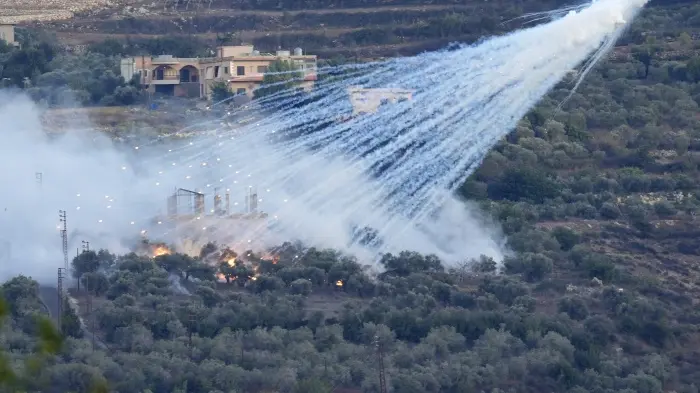
An Israeli strike on a media car in southern Lebanon killed at three journalists on Saturday morning. In a post on X, the IDF called one of the journalist victims, Ali Hassan Shaib, a “terrorist,” and said he was killed because he reported on IDF “troop positions in southern Lebanon” and talked to members of “Hezbollah.” Journalists maintain contact with both state and non-state actors in order to report on the conflicts they cover. Lebanon’s Health Ministry says 1,142 people have been killed and 3,315 injured since the start of the war.