
Is Ron Paul Really Dropping Out?
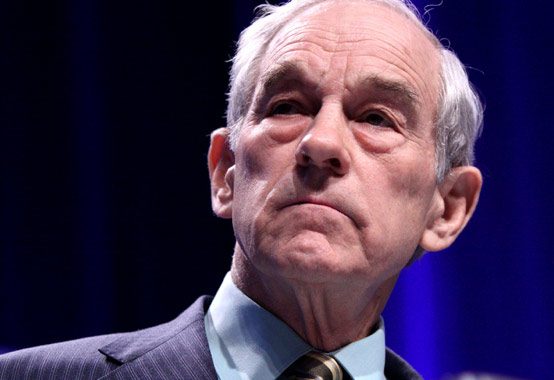
Is Ron Paul running for the GOP presidential nomination and conceding it at the same time? There has been a great deal of confusion since the Paul campaign released a strategy document saying that while they are bowing out of the primaries, the fight for delegates goes on all the way to the Republican National Convention in Tampa.
“Unfortunately, barring something very unforeseen, our delegate total will not be strong enough to win the nomination,” campaign chairman Jesse Benton acknowledged publicly for the first time. “However, our delegates can still make a major impact at the National Convention and beyond.”
This kind of talk elicits sneers from those who think of politics purely in horse-race terms. The Christian Science Monitor claims Paul’s influence “may be more symbolic than practical.” Even the libertarian blogger Doug Mataconis concludes, “it’s unclear what Paul’s supporters think they are going to accomplish here.”
To answer that question, it is useful to ask another: What would have done more to advance the Christian right’s goals in 1988 — Pat Robertson somehow seizing the presidential nomination or his supporters winning party leadership positions all over the country? It is easy to forget now that the Robertson forces were viewed as disruptive at the time. They denied delegate slots to longtime party regulars, including sitting congressmen and Republican elected officials. To the extent that party leaders were willing to tolerate them at all, they wished these religious conservatives would simply vote Republican and then go home.
Sound at all familiar? By the mid-1990s Robertson’s supporters were integrated into the state and national party structure. The Christian Coalition played a key role in setting the Republican agenda. Ron Paul’s supporters are using similar tactics, though they hope that unlike the Christian right they will change the party more than they are changed by it.
To be sure, some of the influence Paulites hope to have on the party platform is symbolic. Yet in politics, symbolism and substance can sometimes be mutually reinforcing. The GOP adopted a strong pro-life platform plank partly because of an influx of antiabortion activists into the party. But the platform language itself played a meaningful role in defining Republicans as the pro-life party.
It is easy to imagine Paul having a similar influence over the party through its platform, perhaps by identifying the GOP with auditing the Federal Reserve or demanding more specific spending cuts than likely nominee Mitt Romney has dared to offer. But there is a lot of practical politics going on in the Paul movement too. Paul supporters are now state party chairs in Iowa, Alaska, and Nevada. They have made inroads from Maine to Louisiana. These gains do not evaporate the minute the presidential campaign ends.
Neither do Paul-inspired liberty candidates who win their elections in down-ballot races. The careers of Rand Paul and Justin Amash, the most successful of dozens of Ron Paul Republicans to have sought office since 2008, are ultimately more important to the party’s future — and perhaps the country’s — than any credentials fight in Tampa. Critics who insist that the movement is simply a cult of personality around one man focus on colorful eccentrics at rallies (admittedly not few in number) while ignoring the Paulites’ increasingly effective practical political involvement. Ron Paul supporters are starting to do the very things that are required to have a more lasting impact.
That’s not to say that Paul and his backers don’t face dilemmas at the convention. Relations between Ron Paul Republicans and the mainline variety have always been contentious. Just recently, Paul supporters booed Romney’s son at the Arizona state GOP convention. If the Ron Paul forces make the Tampa convention look like the Democrats’ Chicago 1968 — or even CPAC 2010, when Paulites heckled Dick Cheney and Donald Rumsfeld — it will set back their cause.
But there is also the risk of being co-opted, bought off with rhetoric and reduced to a few talking points about nation-building or the Fed. Even George W. Bush was willing to pretend he was for a “humble foreign policy” for one election. The Christian right’s price of admission was unquestioning support for some of the party’s more worldly goals.
The Paul campaign realizes both problems. In a conference call with reporters, chairman Jesse Benton said, “We are doing everything in our power to work with our supporters to make sure decorum and respect are the name of the game.” And while they appear to be ruling out an endorsement for Libertarian Party nominee Gary Johnson, they haven’t rallied behind Romney yet.
As long as Romney remains open to preventive war with Iran, Paul shouldn’t endorse him. But he can urge his supporters to work within the Republican Party and he can also state his honest opinion that Romney is a nice man. That might come close enough to an endorsement for Paul to be able to speak about real limited government and a noninterventionist foreign policy in a meaningful convention timeslot. He may even be permitted to pass the torch to his son on national television.
The name of the game is changing the Republican Party. Anything that takes Paul’s supporters out of the party or leads them to surrender to the GOP status quo is a defeat. Even if Romney is the nominee rather than Paul, anything that keeps the momentum going in favor of the GOP’s constitutional transformation is a victory for the Texas congressman.
W. James Antle is associate editor of The American Spectator and a contributing editor to The American Conservative. Follow him on Twitter.


Comments